Xie Wen Jun, Warshel Arieh
Department of Chemistry, University of Southern California, Los Angeles, CA, USA.
Departmet of Medicinal Chemistry, Center for Natural Products, Drug Discovery and Development (CNPD3), Genetics Institute, University of Florida, Gainesville, FL, USA.
bioRxiv. 2023 Oct 12:2023.10.10.561808. doi: 10.1101/2023.10.10.561808.
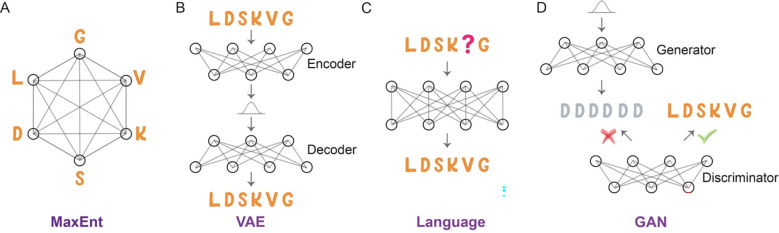
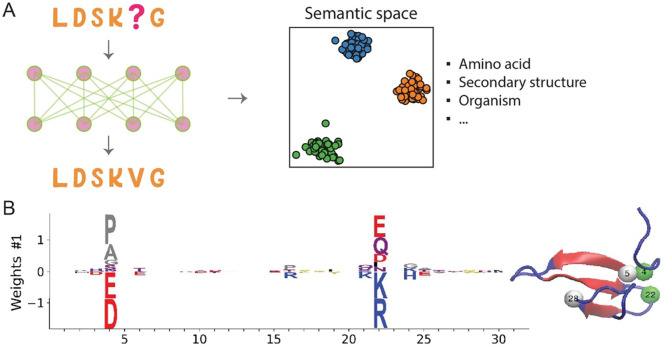
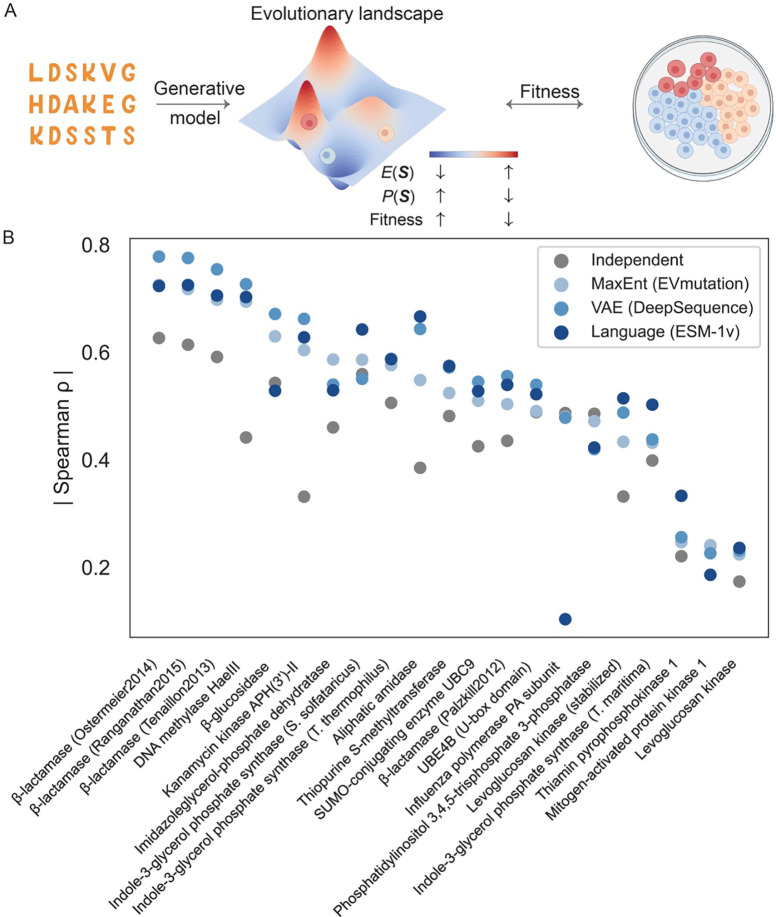
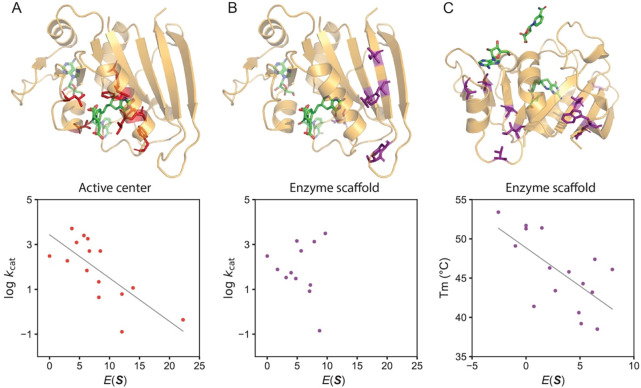
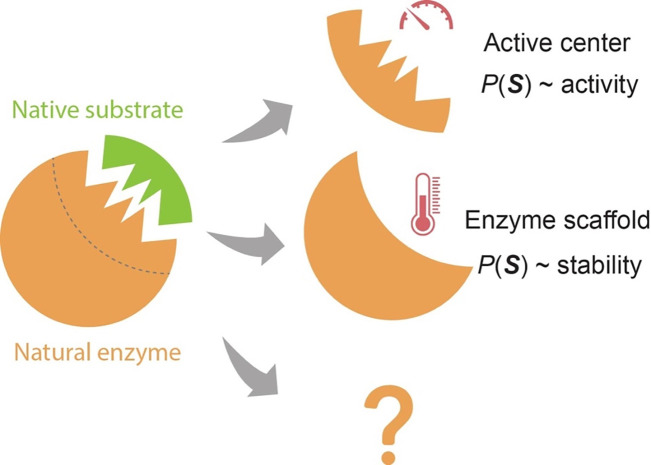
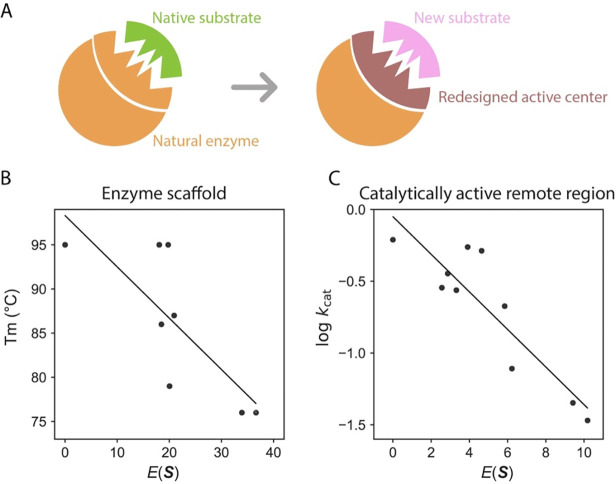
Enzymes, as paramount protein catalysts, occupy a central role in fostering remarkable progress across numerous fields. However, the intricacy of sequence-function relationships continues to obscure our grasp of enzyme behaviors and curtails our capabilities in rational enzyme engineering. Generative artificial intelligence (AI), known for its proficiency in handling intricate data distributions, holds the potential to offer novel perspectives in enzyme research. By applying generative models, we could discern elusive patterns within the vast sequence space and uncover new functional enzyme sequences. This review highlights the recent advancements in employing generative AI for enzyme sequence analysis. We delve into the impact of generative AI in predicting mutation effects on enzyme fitness, activity, and stability, rationalizing the laboratory evolution of enzymes, decoding protein sequence semantics, and its applications in enzyme engineering. Notably, the prediction of enzyme activity and stability using natural enzyme sequences serves as a vital link, indicating how enzyme catalysis shapes enzyme evolution. Overall, we foresee that the integration of generative AI into enzyme studies will remarkably enhance our knowledge of enzymes and expedite the creation of superior biocatalysts.
酶作为至关重要的蛋白质催化剂,在推动众多领域取得显著进展方面发挥着核心作用。然而,序列-功能关系的复杂性仍然使我们对酶的行为理解模糊不清,并限制了我们进行合理酶工程的能力。以擅长处理复杂数据分布而闻名的生成式人工智能(AI),有潜力在酶研究中提供新的视角。通过应用生成模型,我们可以在广阔的序列空间中辨别难以捉摸的模式,并发现新的功能性酶序列。本综述重点介绍了在酶序列分析中应用生成式AI的最新进展。我们深入探讨了生成式AI在预测突变对酶适应性、活性和稳定性的影响、使酶的实验室进化合理化、解码蛋白质序列语义以及其在酶工程中的应用。值得注意的是,使用天然酶序列预测酶活性和稳定性是一个关键环节,表明酶催化如何塑造酶的进化。总体而言,我们预计将生成式AI整合到酶研究中将显著增强我们对酶的认识,并加速新型生物催化剂的创造。