Moiketsi Bertha N, Makale Katlego P P, Rantong Gaolathe, Rahube Teddie O, Makhzoum Abdullah
Department of Biological Sciences and Biotechnology, Faculty of Science, Botswana International University of Science and Technology (BIUST), Private Bag 16, Palapye, Botswana.
Biomedicines. 2023 Sep 22;11(10):2605. doi: 10.3390/biomedicines11102605.
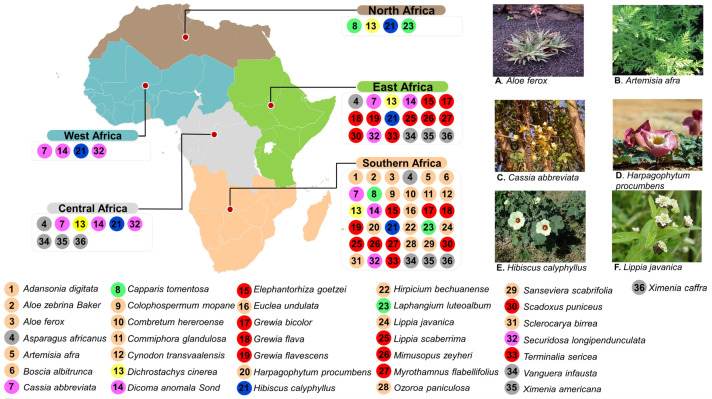
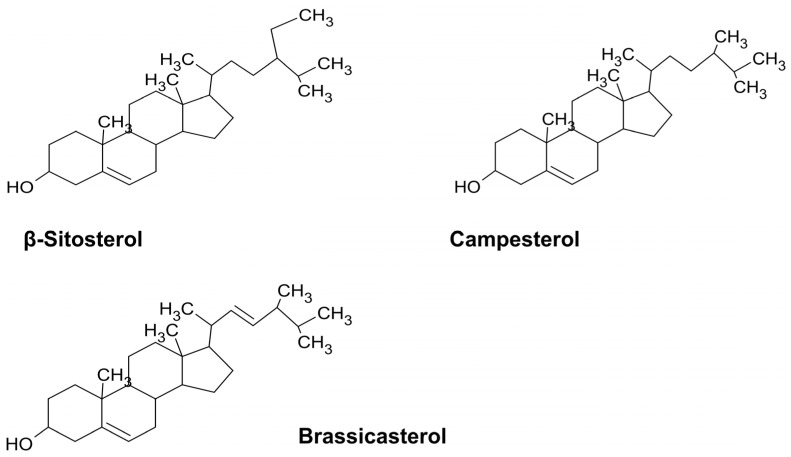
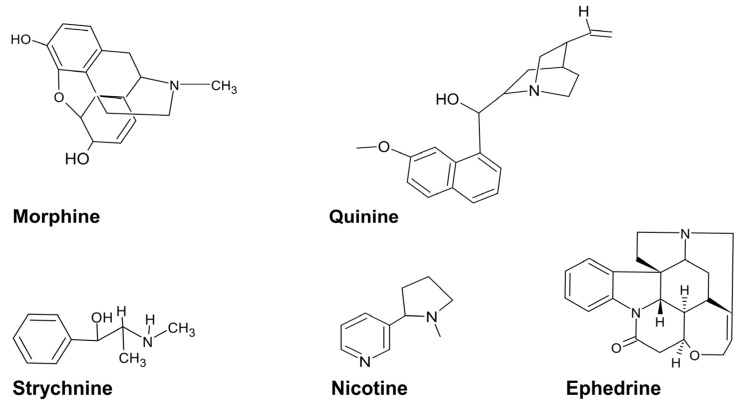
Antimicrobial resistance is considered a "One-Health" problem, impacting humans, animals, and the environment. The problem of the rapid development and spread of bacteria resistant to multiple antibiotics is a rising global health threat affecting both rich and poor nations. Low- and middle-income countries are at highest risk, in part due to the lack of innovative research on the surveillance and discovery of novel therapeutic options. Fast and effective drug discovery is crucial towards combatting antimicrobial resistance and reducing the burden of infectious diseases. African medicinal plants have been used for millennia in folk medicine to cure many diseases and ailments. Over 10% of the Southern African vegetation is applied in traditional medicine, with over 15 species being partially or fully commercialized. These include the genera , , , And , amongst many others. Bioactive compounds from indigenous medicinal plants, alone or in combination with existing antimicrobials, offer promising solutions towards overcoming multi-drug resistance. Secondary metabolites have different mechanisms and modes of action against bacteria, such as the inhibition and disruption of cell wall synthesis; inhibition of DNA replication and ATP synthesis; inhibition of quorum sensing; inhibition of AHL or oligopeptide signal generation, broadcasting, and reception; inhibition of the formation of biofilm; disruption of pathogenicity activities; and generation of reactive oxygen species. The aim of this review is to highlight some promising traditional medicinal plants found in Africa and provide insights into their secondary metabolites as alternative options in antibiotic therapy against multi-drug-resistant bacteria. Additionally, synergism between plant secondary metabolites and antibiotics has been discussed.
抗菌耐药性被视为一个“同一健康”问题,对人类、动物和环境都有影响。对多种抗生素耐药的细菌迅速发展和传播的问题,是一个日益严重的全球健康威胁,影响着富国和穷国。低收入和中等收入国家面临的风险最高,部分原因是在监测和发现新型治疗方案方面缺乏创新性研究。快速有效的药物发现对于对抗抗菌耐药性和减轻传染病负担至关重要。非洲药用植物在民间医学中已使用了数千年,用于治疗许多疾病和病痛。南部非洲超过10%的植被被用于传统医学,有超过15个物种已部分或完全商业化。其中包括 属、 属、 属、 属和 属等许多属。来自本土药用植物的生物活性化合物,单独使用或与现有抗菌药物联合使用,为克服多重耐药性提供了有前景的解决方案。次生代谢产物对细菌有不同的作用机制和作用方式,如抑制和破坏细胞壁合成;抑制DNA复制和ATP合成;抑制群体感应;抑制AHL或寡肽信号的产生、传播和接收;抑制生物膜的形成;破坏致病性活动;以及产生活性氧。本综述的目的是突出非洲发现的一些有前景的传统药用植物,并深入探讨其次生代谢产物作为抗多重耐药细菌抗生素治疗的替代选择。此外,还讨论了植物次生代谢产物与抗生素之间的协同作用。