Yan Shengkun, Yin Lijun, Dong Rong
School of Food Science and Nutrition Engineering, China Agricultural University, Beijing 100083, China.
Agricultural Mechanization Institute, Xinjiang Academy of Agricultural Sciences, Urumqi 830091, China.
Foods. 2023 Oct 17;12(20):3800. doi: 10.3390/foods12203800.
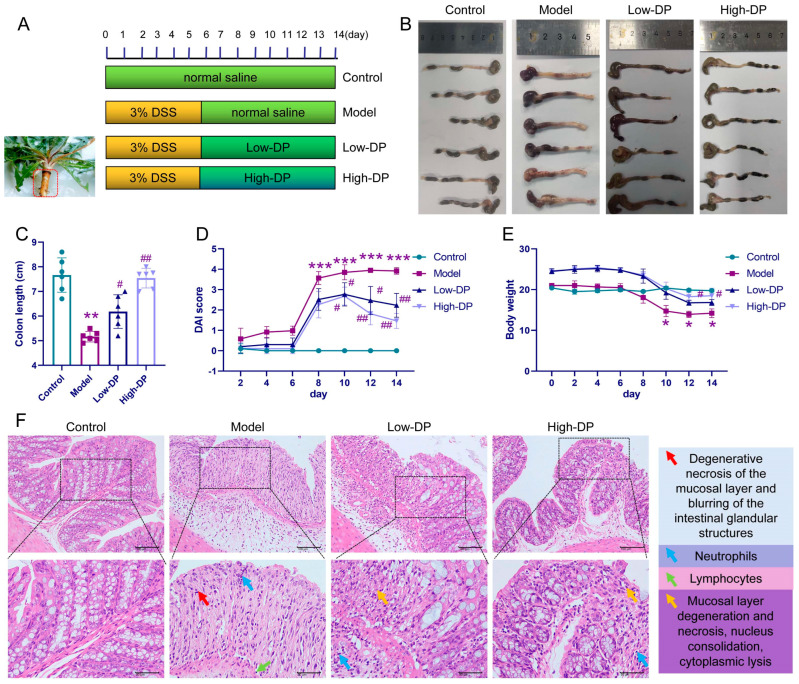
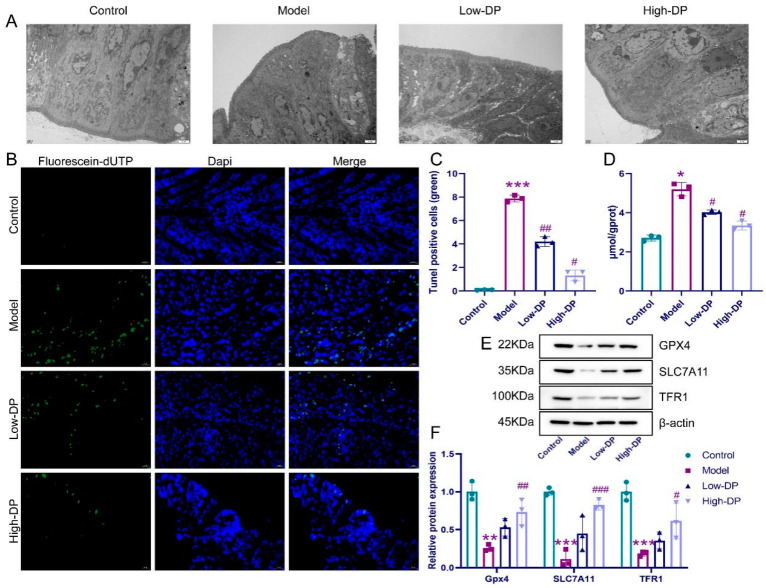
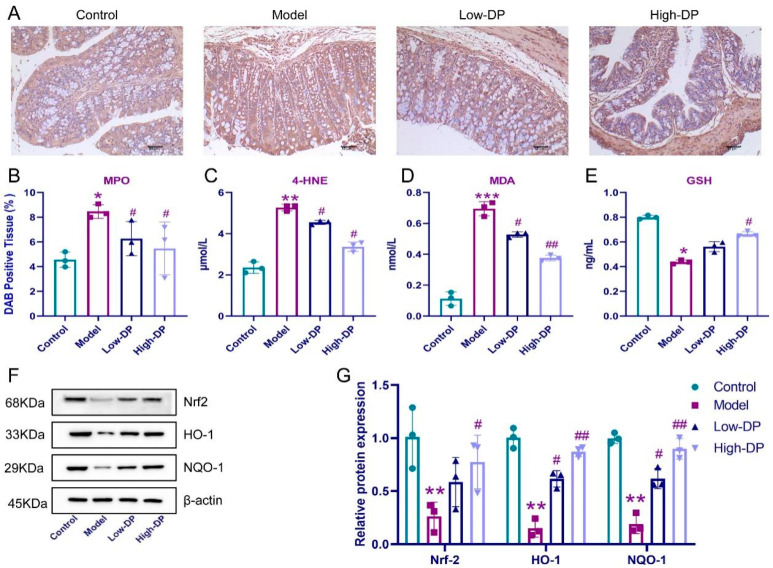
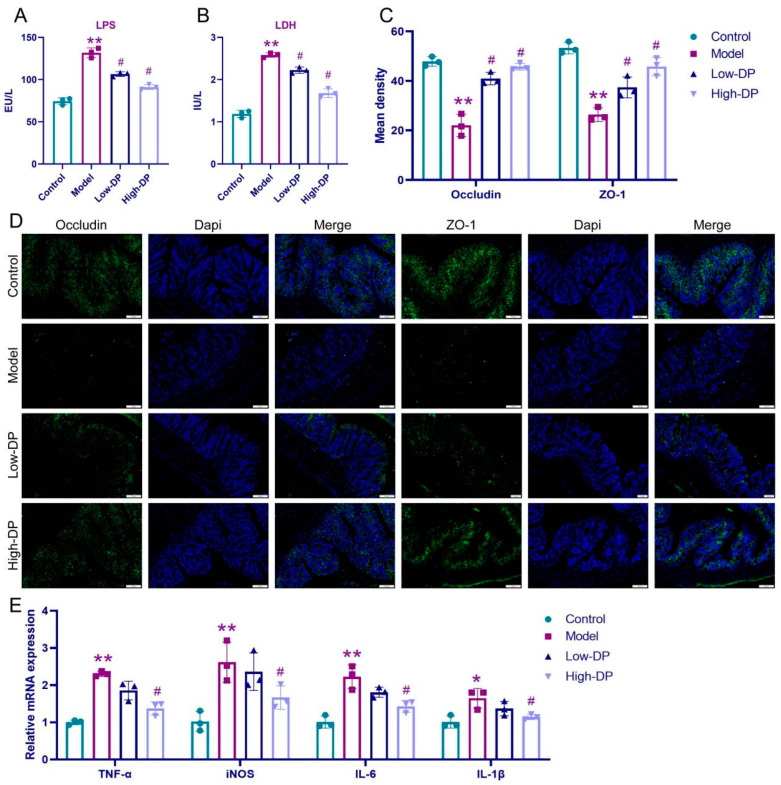
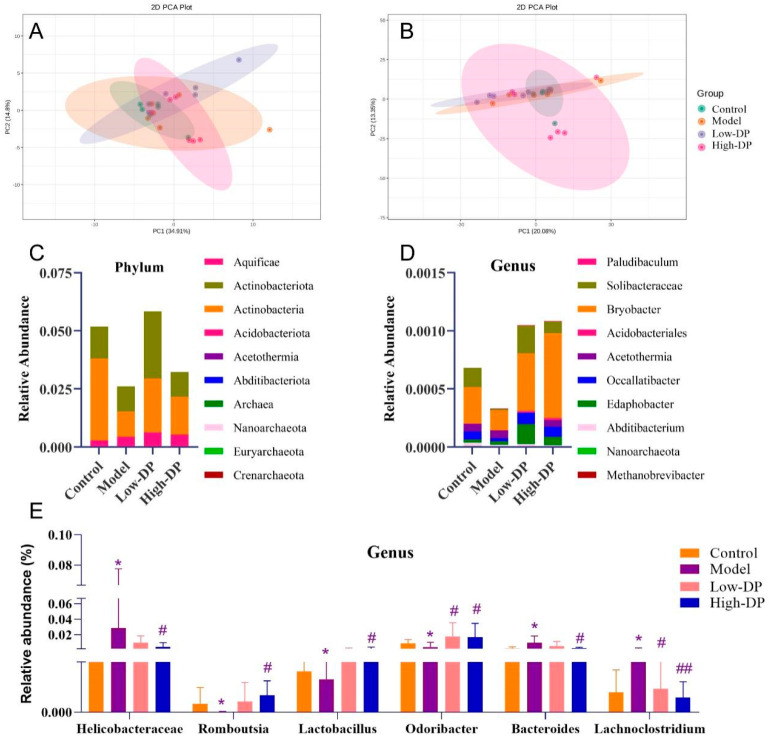
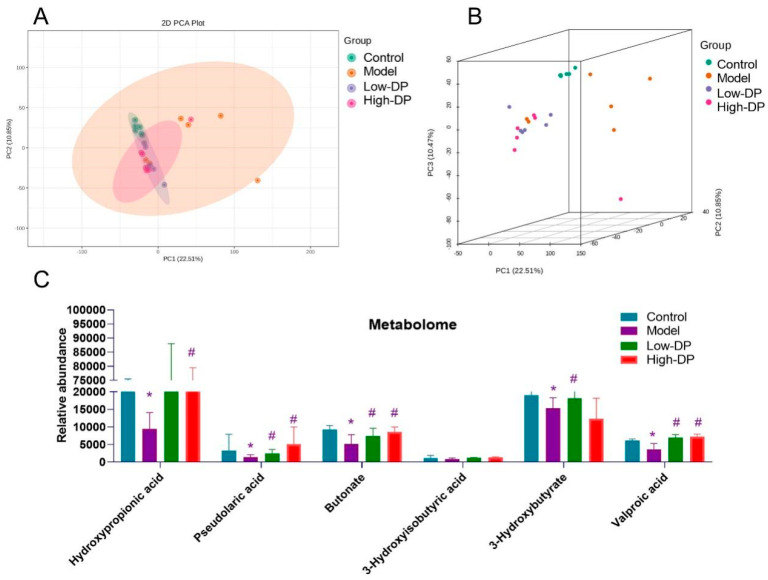
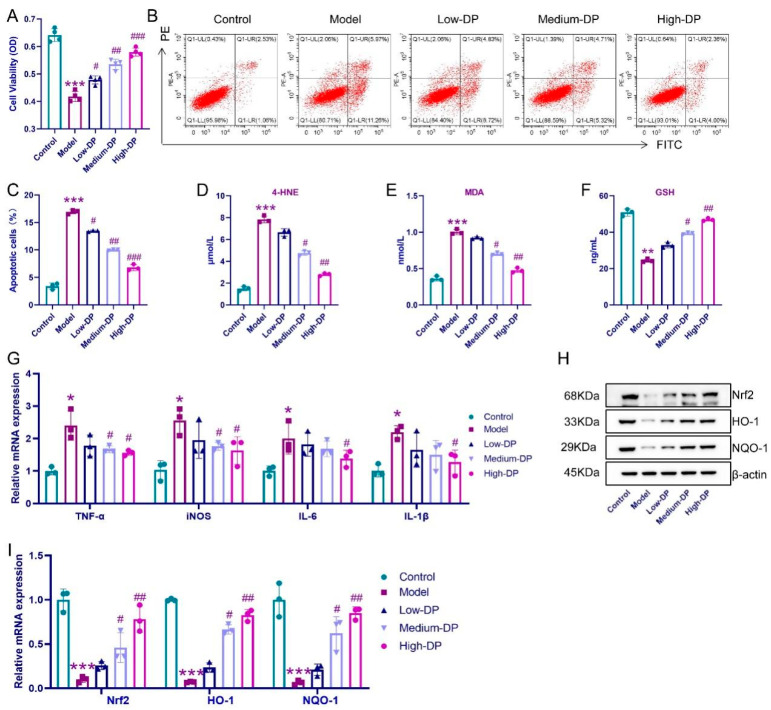
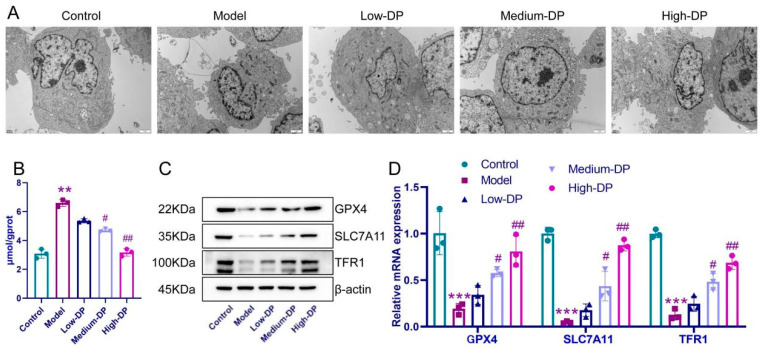
An exploration was conducted on the potential therapeutic properties of dandelion polysaccharide (DP) in addressing 3% dextran sodium sulfate (DSS)-induced ulcerative colitis (UC) in murine models. Subsequent assessments focused on DP's influence on inflammation, oxidative stress, and ferroptosis in IEC-6 cells damaged by HO. Results highlighted the efficacy of DP in mitigating weight loss, improving disease activity index scores, normalizing colon length, and alleviating histological abnormalities in the affected mice. DP repaired colonic mitochondrial damage by enhancing iron transport and inhibited iron death in colonic cells. Moreover, DP played a pivotal role in enhancing the antioxidant potential. This was evident from the increased expression levels of Nrf2, HO-1, NQO-1, and GSH, coupled with a decrease in MDA and 4-HNE markers in the UC-afflicted mice. Concurrently, DP manifested inhibitory effects on MPO activation and transcription levels of inflammatory mediators such as IL-1β, IL-6, TNF-α, and iNOS. An upsurge in the expression of occludin and ZO-1 was also observed. Restoration of intestinal tightness resulted in decreased serum LPS and LDH levels. Thereafter, administration of DP by gavage increased fecal flora diversity and relative abundance of probiotics in UC mice. Analysis of metabolites indicated that DP counteracted metabolic disturbances and augmented the levels of short-chain fatty acids in ulcerative colitis-affected mice. In vitro studies underscored the role of DP in triggering Nrf2 activation, which in turn exhibited anti-inflammatory, antioxidant, and anti-ferroptotic properties. Summarily, DP's capacity to activate Nrf2 contributes to the suppression of ferroptotic processes in intestinal epithelial cells of UC-affected mice, enhancing the intestinal barrier's integrity. Beyond that, DP possesses the ability to modulate the gut microbiome, rectify metabolic imbalances, rejuvenate short-chain fatty acid levels, and bolster the intestinal barrier as a therapeutic approach to UC.
对蒲公英多糖(DP)在治疗小鼠模型中3%葡聚糖硫酸钠(DSS)诱导的溃疡性结肠炎(UC)方面的潜在治疗特性进行了探索。随后的评估集中在DP对由HO损伤的IEC-6细胞中的炎症、氧化应激和铁死亡的影响。结果突出了DP在减轻体重减轻、改善疾病活动指数评分、使结肠长度正常化以及减轻受影响小鼠的组织学异常方面的功效。DP通过增强铁转运修复结肠线粒体损伤,并抑制结肠细胞中的铁死亡。此外,DP在增强抗氧化潜力方面发挥了关键作用。这在UC患病小鼠中Nrf2、HO-1、NQO-1和GSH表达水平的增加以及MDA和4-HNE标志物的减少中很明显。同时,DP对MPO激活以及炎症介质如IL-1β、IL-6、TNF-α和iNOS的转录水平表现出抑制作用。还观察到紧密连接蛋白和ZO-1表达的增加。肠道紧密性的恢复导致血清LPS和LDH水平降低。此后,通过灌胃给予DP增加了UC小鼠的粪便菌群多样性和益生菌的相对丰度。代谢物分析表明,DP抵消了代谢紊乱并提高了溃疡性结肠炎受影响小鼠中短链脂肪酸的水平。体外研究强调了DP在触发Nrf2激活中的作用,这反过来又表现出抗炎、抗氧化和抗铁死亡特性。总之,DP激活Nrf2的能力有助于抑制UC患病小鼠肠道上皮细胞中的铁死亡过程,增强肠道屏障的完整性。除此之外,DP具有调节肠道微生物群、纠正代谢失衡、恢复短链脂肪酸水平以及加强肠道屏障作为UC治疗方法的能力。