Université de Toulouse, Inserm, CNRS, Université Toulouse III-Paul Sabatier, Centre de Recherches en Cancérologie de Toulouse, Toulouse, France.
IUCT-Oncopole, Toulouse, France.
J Immunother Cancer. 2023 Oct;11(10). doi: 10.1136/jitc-2023-007156.
Follicular lymphoma (FL), the most common indolent non-Hodgkin's Lymphoma, is a heterogeneous disease and a paradigm of the contribution of immune tumor microenvironment to disease onset, progression, and therapy resistance. Patient-derived models are scarce and fail to reproduce immune phenotypes and therapeutic responses.
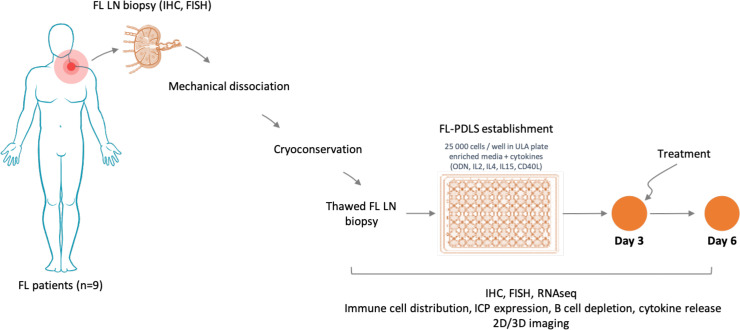
To capture disease heterogeneity and microenvironment cues, we developed a patient-derived lymphoma spheroid (FL-PDLS) model culturing FL cells from lymph nodes (LN) with an optimized cytokine cocktail that mimics LN stimuli and maintains tumor cell viability.
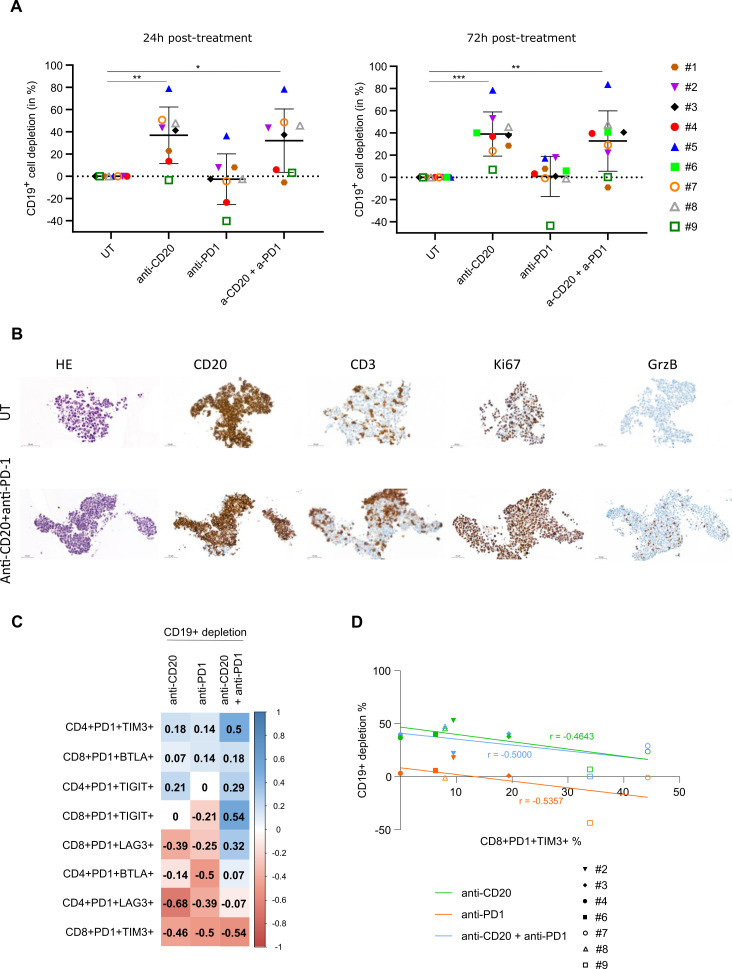
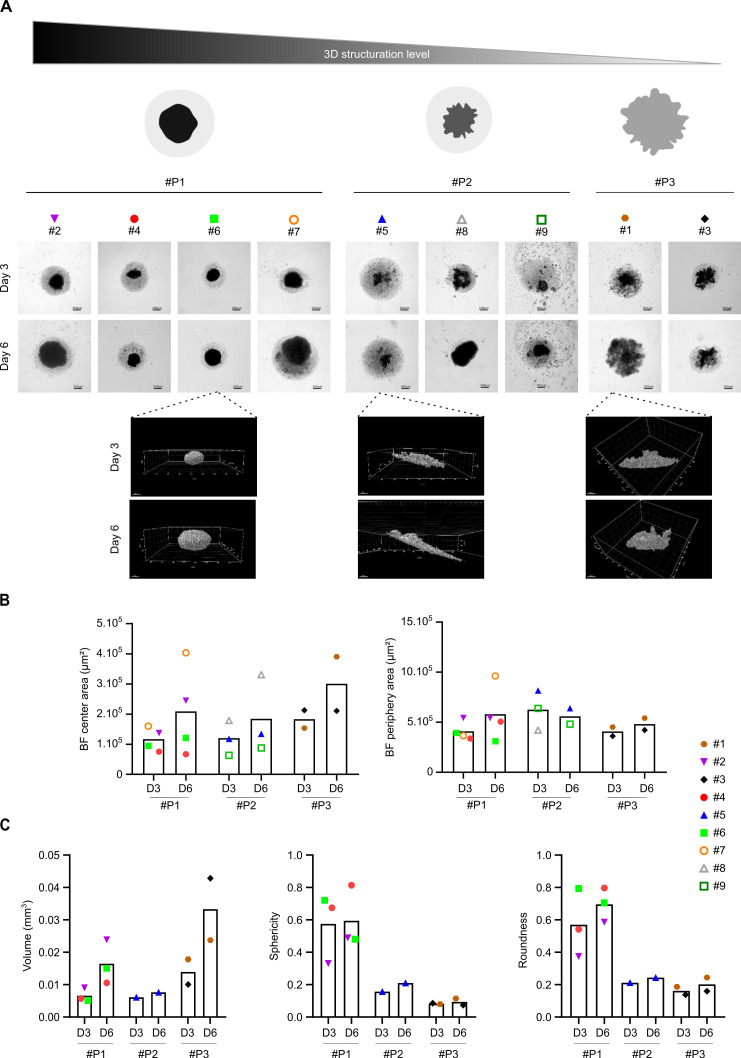
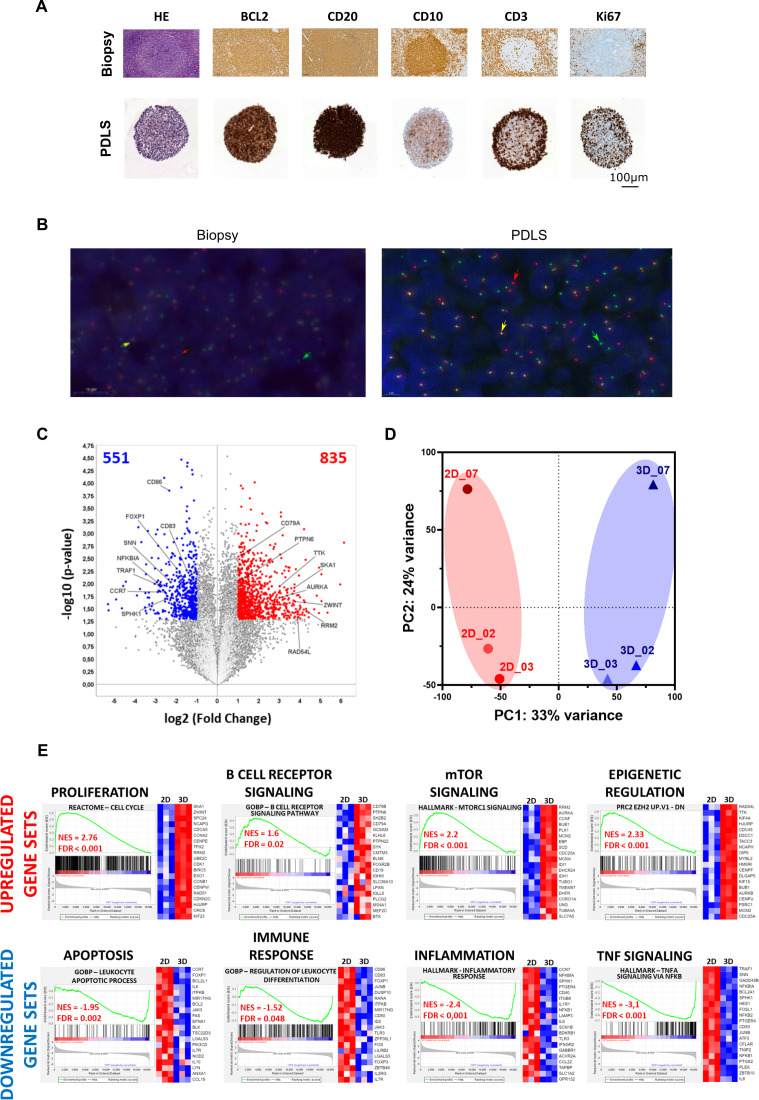
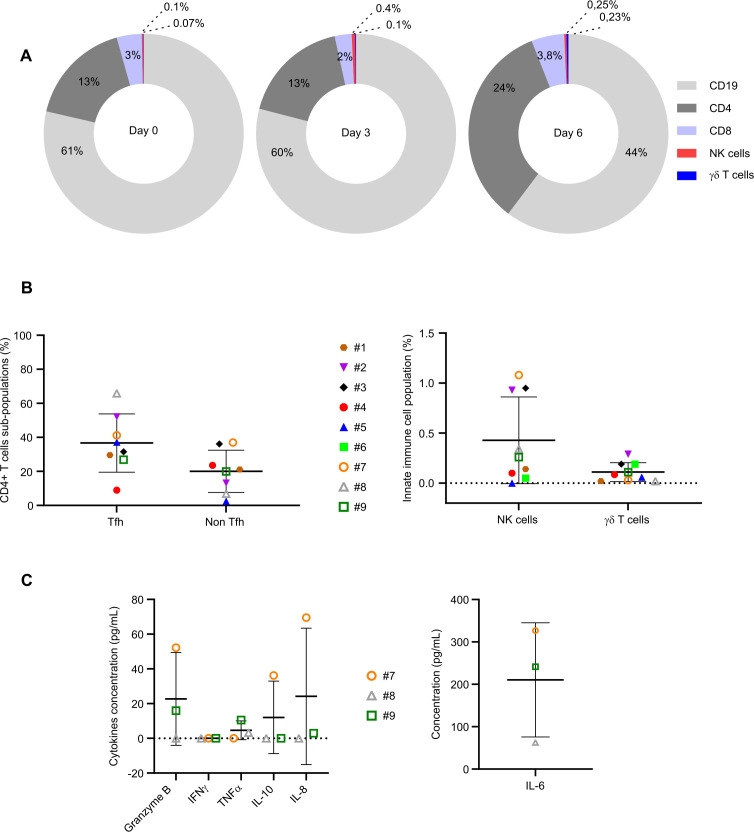
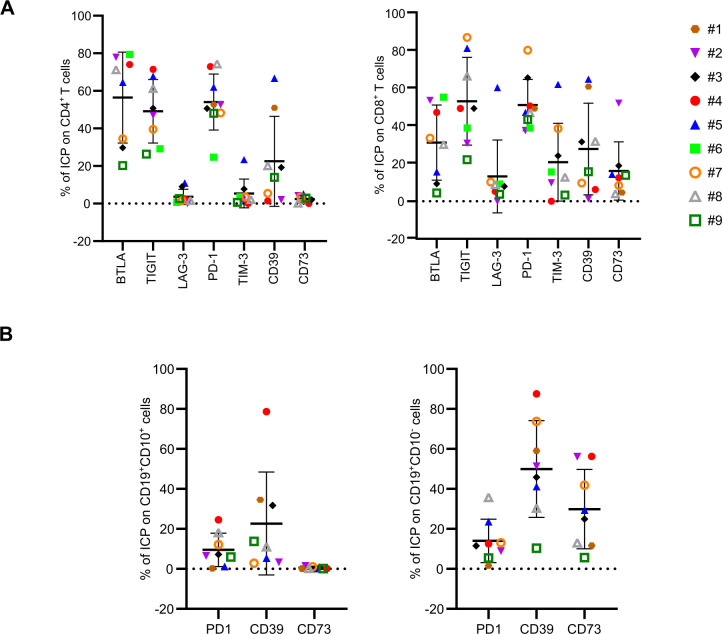
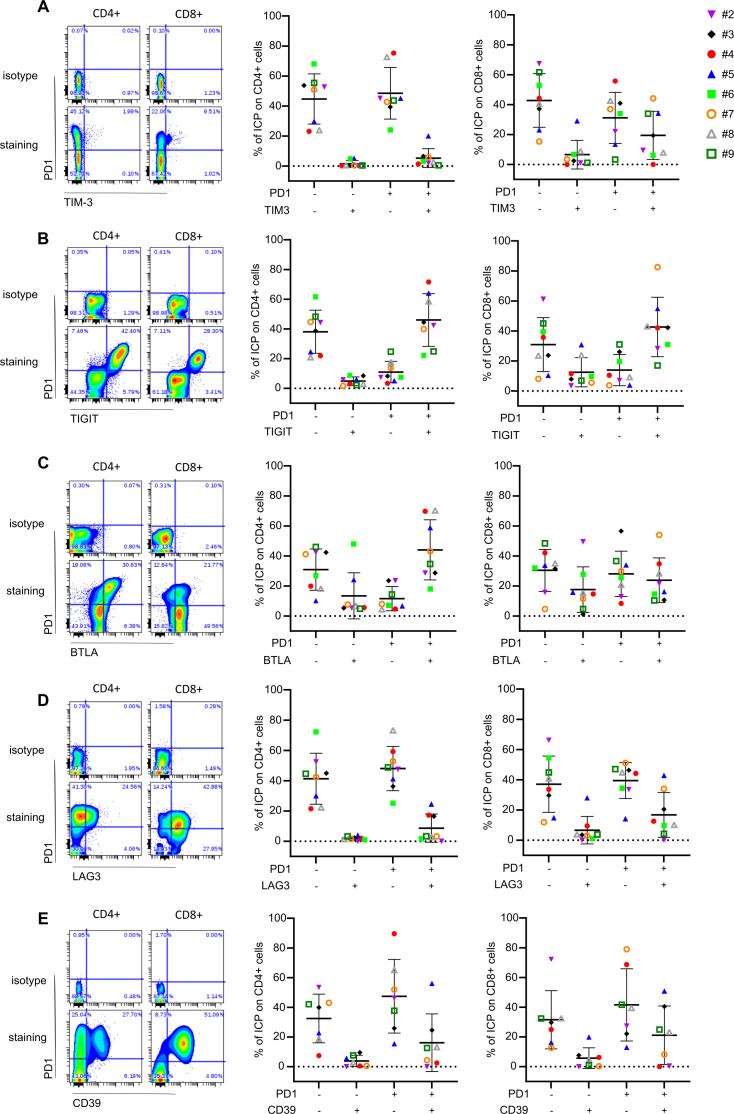
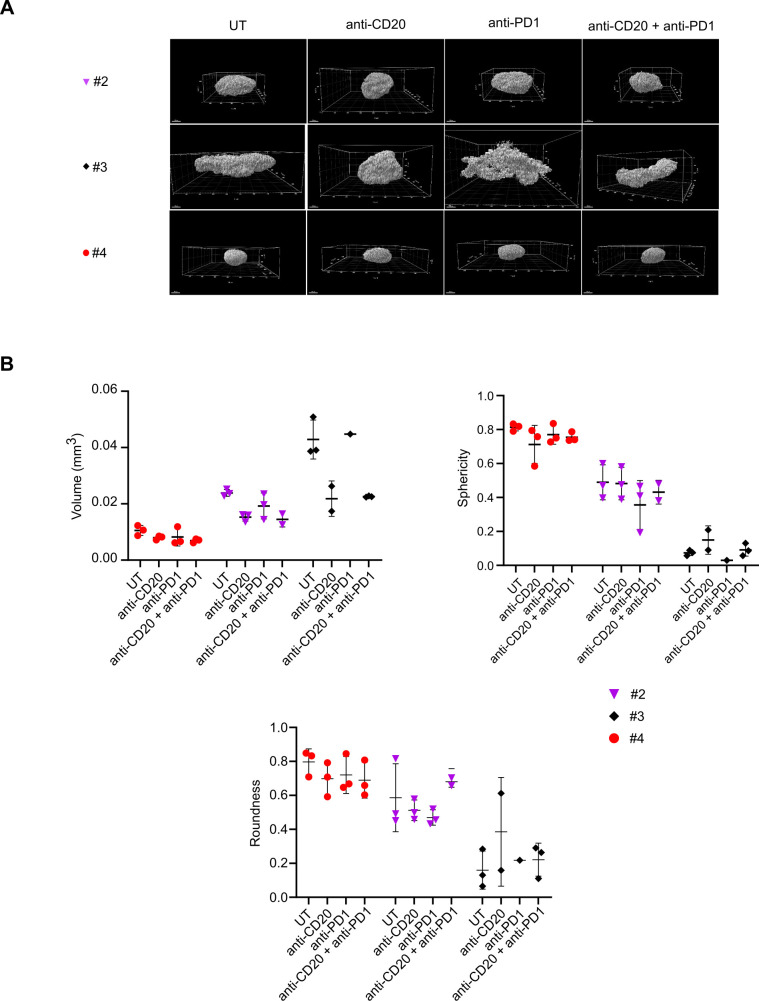
FL-PDLS, mainly composed of tumor B cells (60% on average) and autologous T cells (13% CD4 and 3% CD8 on average, respectively), rapidly organizes into patient-specific three-dimensional (3D) structures of three different morphotypes according to 3D imaging analysis. RNAseq analysis indicates that FL-PDLS reproduces FL hallmarks with the overexpression of cell cycle, BCR, or mTOR signaling related gene sets. FL-PDLS also recapitulates the exhausted immune phenotype typical of FL-LN, including expression of BTLA, TIGIT, PD-1, TIM-3, CD39 and CD73 on CD3 T cells. These features render FL-PDLS an amenable system for immunotherapy testing. With this aim, we demonstrate that the combination of obinutuzumab (anti-CD20) and nivolumab (anti-PD1) reduces tumor load in a significant proportion of FL-PDLS. Interestingly, B cell depletion inversely correlates with the percentage of CD8 cells positive for PD-1 and TIM-3.
In summary, FL-PDLS is a robust patient-derived 3D system that can be used as a tool to mimic FL pathology and to test novel immunotherapeutic approaches in a context of personalized medicine.
滤泡性淋巴瘤(FL)是最常见的惰性非霍奇金淋巴瘤,是一种异质性疾病,也是免疫肿瘤微环境促进疾病发生、进展和治疗耐药的典范。患者来源的模型很少,无法再现免疫表型和治疗反应。
为了捕获疾病异质性和微环境线索,我们开发了一种患者来源的淋巴瘤球体(FL-PDLS)模型,该模型使用优化的细胞因子鸡尾酒培养来自淋巴结(LN)的 FL 细胞,该鸡尾酒模拟 LN 刺激并维持肿瘤细胞活力。
FL-PDLS 主要由肿瘤 B 细胞(平均 60%)和自体 T 细胞(平均分别为 13% CD4 和 3% CD8)组成,根据 3D 成像分析,迅速组织成三种不同形态的患者特异性三维(3D)结构。RNAseq 分析表明,FL-PDLS 通过过度表达细胞周期、BCR 或 mTOR 信号相关基因簇再现了 FL 的特征。FL-PDLS 还再现了 FL-LN 典型的耗尽免疫表型,包括 CD3 T 细胞上 BTLA、TIGIT、PD-1、TIM-3、CD39 和 CD73 的表达。这些特征使 FL-PDLS 成为一种适合免疫治疗测试的系统。为此,我们证明了奥滨尤妥珠单抗(抗 CD20)和纳武利尤单抗(抗 PD-1)的联合治疗可显著降低 FL-PDLS 中肿瘤负荷的一部分。有趣的是,B 细胞耗竭与 PD-1 和 TIM-3 阳性 CD8 细胞的百分比呈反比。
总之,FL-PDLS 是一种强大的患者来源的 3D 系统,可作为模拟 FL 病理学的工具,并在个性化医学背景下测试新的免疫治疗方法。