Microbiology and Immunology Department, faculty of pharmacy, Minia University, 61511, Minia, Egypt.
Clinical pathology Department, faculty of Medicine, Minia University, Minia, Egypt.
Mol Biol Rep. 2023 Dec;50(12):10025-10036. doi: 10.1007/s11033-023-08845-z. Epub 2023 Oct 30.
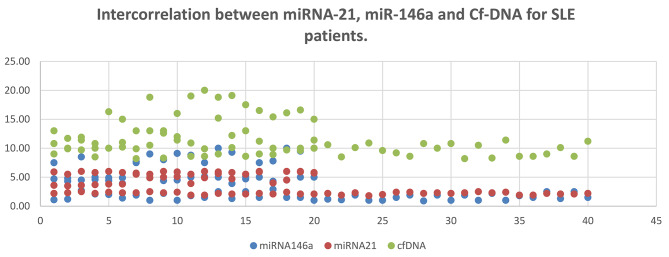
MicroRNA and cell-free DNA have shown significant correlations with several autoimmune disorders including systemic lupus erythematosus (SLE). SLE has been associated with challenges in determining its activity, so that the need for biomarkers contributing to assessing its activity is emerging. The current study investigated miRNA-21, miRNA-146a and plasma cf-DNA in determination of SLE activity, in addition their association with clinical data including complement factor 3 (C3), complement factor(C4), anti-dsDNA, and other disease activity indices.
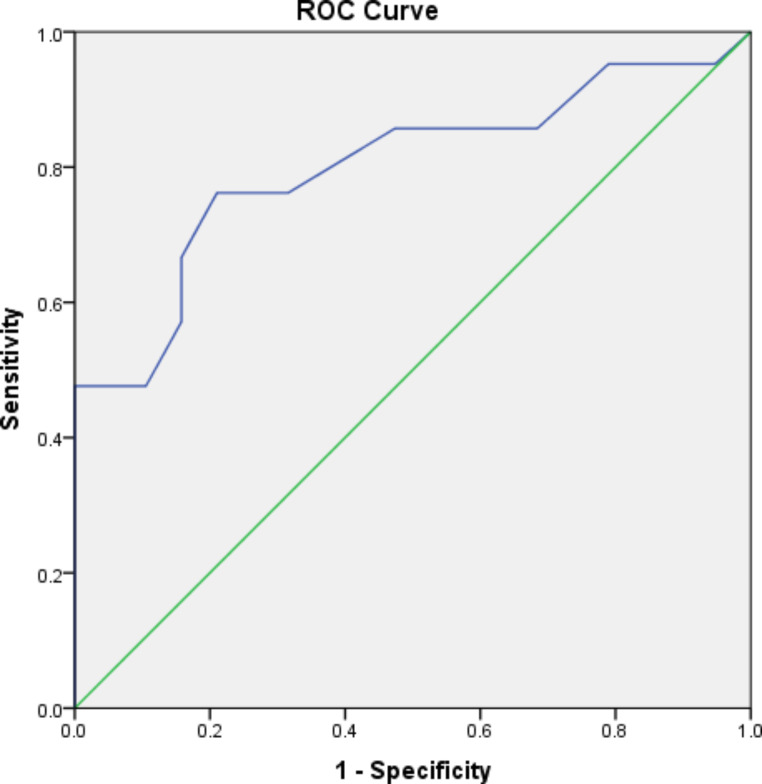
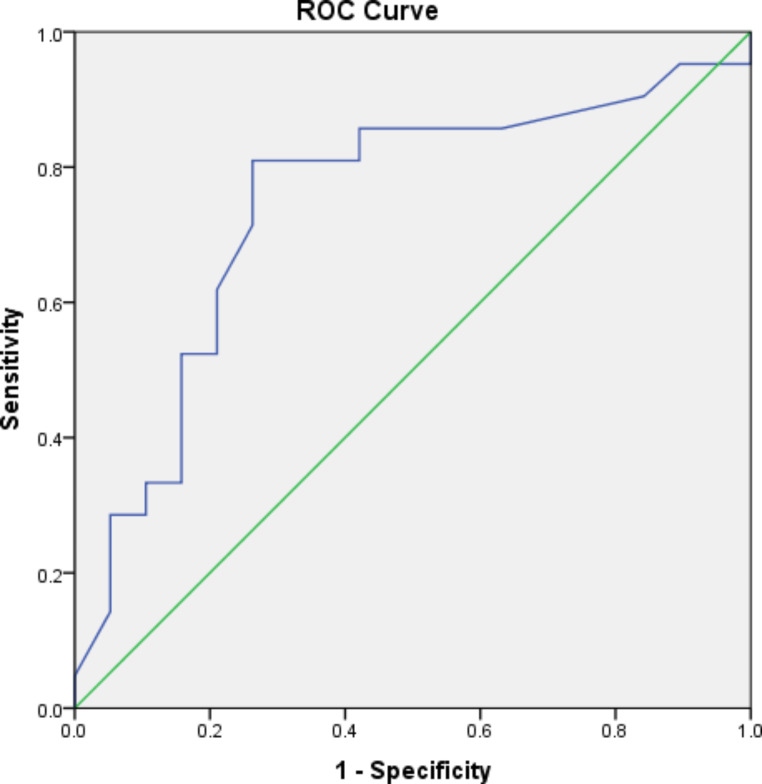
Eighty subjects divided into; twenty active patients (with SLE-DAI2K score of 16-18) twenty inactive patients (with SLE-DAI2K score of 1-3), and forty healthy control participants) were included in this study. Serum miR-21, miR-146a, and plasma cf-DNA were quantified by real time PCR and their correlation with clinical data was statistically analyzed. The results demonstrated that active cases have significant upregulation of serum miRNA-21 and plasma cf-DNA. Moreover, miR-21 showed a negative, significant pertaining to C3, C4 and was positively related to Systemic Lupus Erythematosus Disease Activity Index 2 K score (SLE-DAI Index2K score) and Systemic-Lupus-Erythematosus-Disease Activity-Index 2 K activity (SLE-DAI 2 K activity). Also, Active group miRNA-146a was negatively, significantly correlated with C3, as well as a positive significant relationship with SLE-DAI2K score and SLEDAI 2 K activity, in addition to anti DNA Autoantibodies. Furthermore, miR-21 and cf-DNA demonstrated a differential value through Receiver Operating Characteristic (ROC) curve's study.
the present study illustrated miR-21, miR-146a, and cf-DNA relationship with SLE clinical data. In addition to their potential value in SLE diagnosis, and activity determination.
microRNA 和游离细胞 DNA 与包括系统性红斑狼疮 (SLE) 在内的几种自身免疫性疾病有显著相关性。SLE 的活动度很难确定,因此需要有新的生物标志物来评估其活动度。本研究探讨了 microRNA-21、microRNA-146a 和血浆 cf-DNA 在确定 SLE 活动度中的作用,以及它们与临床数据(包括补体因子 3 (C3)、补体因子(C4)、抗 dsDNA 和其他疾病活动指数)的相关性。
本研究共纳入 80 例受试者,分为 20 例活动期患者(SLE-DAI2K 评分 16-18 分)、20 例非活动期患者(SLE-DAI2K 评分 1-3 分)和 40 例健康对照组。采用实时 PCR 定量检测血清 miR-21、miR-146a 和血浆 cf-DNA,并对其与临床数据的相关性进行统计学分析。结果表明,活动期患者血清 miR-21 和血浆 cf-DNA 显著上调。此外,miR-21 与 C3、C4 呈负相关,与系统性红斑狼疮疾病活动指数 2K 评分 (SLE-DAI Index2K score) 和系统性红斑狼疮疾病活动指数 2K 活性 (SLE-DAI 2K activity) 呈正相关。此外,活性组 miR-146a 与 C3 呈负相关,与 SLE-DAI2K 评分和 SLEDAI 2K 活性以及抗 DNA 自身抗体呈正相关。此外,通过Receiver Operating Characteristic (ROC) 曲线研究表明,miR-21 和 cf-DNA 具有不同的价值。
本研究表明,miR-21、miR-146a 和 cf-DNA 与 SLE 的临床数据有关。它们在 SLE 的诊断和活动度测定方面具有潜在的价值。