Department of Orthopedics, Beijing Friendship Hospital, Capital Medical University, No 95, Yong'an Road, Xicheng District, Beijing, 100050, People's Republic of China.
J Orthop Surg Res. 2023 Oct 31;18(1):814. doi: 10.1186/s13018-023-04322-2.
Given the inconclusive literature on operative time, pain relief, functional outcomes, and complications, this meta-analysis aims to compare the efficacy of Unilateral Biportal Endoscopy (UBE) and Micro-Endoscopic Discectomy (MED) in treating Degenerative Lumbar Spinal Stenosis (DLSS).
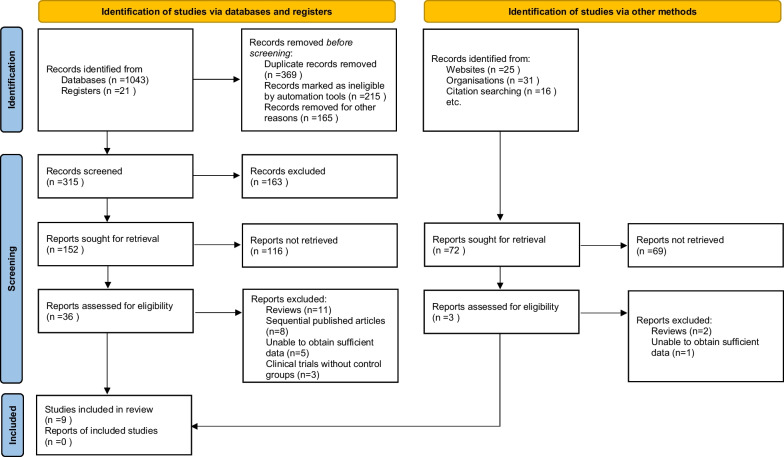
A thorough literature search was conducted in accordance with the PRISMA guidelines and based on the PICO framework. The study interrogated four primary databases-PubMed, Embase, Web of Science, and the Cochrane Library-on August 16, 2023, without time restrictions. The search employed a strategic selection of keywords and was devoid of language barriers. Studies were included based on strict criteria, such as the diagnosis, surgical intervention types, and specific outcome measures. Quality assessment was performed using the Newcastle-Ottawa Scale, and statistical analysis was executed through Stata version 17.
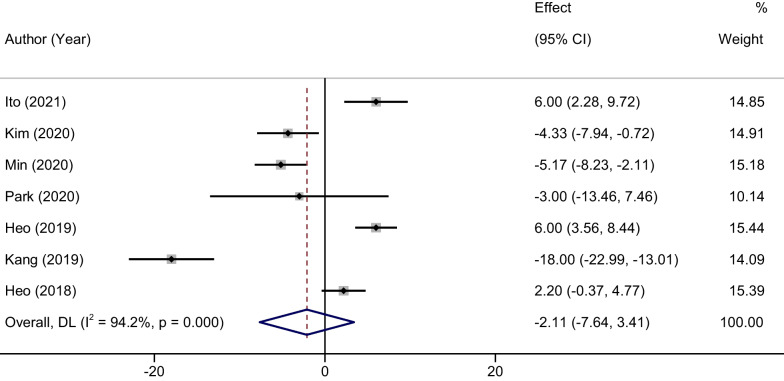
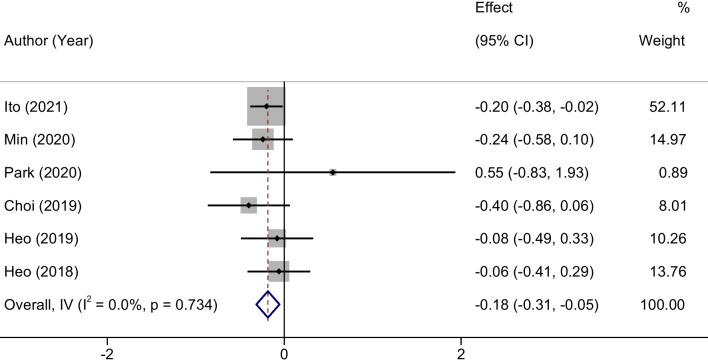
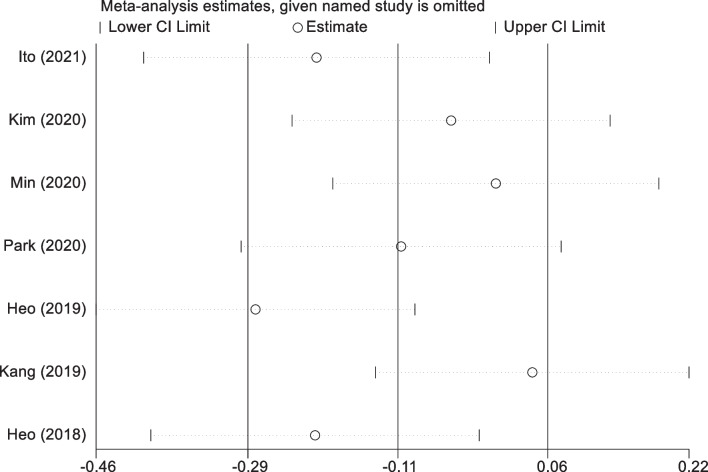
The meta-analysis incorporated 9 articles out of an initial yield of 1,136 potential studies. Considerable heterogeneity was observed in surgical duration, but no statistically significant difference was identified (MD = - 2.11, P = 0.56). For VAS scores assessing lumbar and leg pain, UBE was statistically superior to MED (MD = - 0.18, P = 0.013; MD = - 0.15, P = 0.006, respectively). ODI scores demonstrated no significant difference between the two surgical methods (MD = - 0.57, P = 0.26). UBE had a lower incidence of complications compared to those receiving MED (OR = 0.54, P = 0.036).
UBE and MED exhibited comparable surgical durations and disability outcomes as measured by ODI. However, UBE demonstrated superior efficacy in alleviating lumbar and leg pain based on VAS scores. The findings present an intricate evaluation of the two surgical interventions for DLSS, lending valuable insights for clinical decision-making.
鉴于手术时间、缓解疼痛、功能结果和并发症方面的文献尚无定论,本荟萃分析旨在比较单侧双通道内镜(UBE)和微创经椎间孔腰椎间融合术(MED)治疗退行性腰椎管狭窄症(DLSS)的疗效。
根据 PRISMA 指南并基于 PICO 框架,我们进行了全面的文献检索。研究于 2023 年 8 月 16 日在 PubMed、Embase、Web of Science 和 Cochrane Library 这四个主要数据库中进行,无时间限制。搜索采用了有策略的关键词选择,且没有语言障碍。根据严格的标准纳入研究,如诊断、手术干预类型和特定的结局测量。使用纽卡斯尔-渥太华量表进行质量评估,使用 Stata 版本 17 进行统计分析。
荟萃分析纳入了最初 1136 项潜在研究中的 9 项研究。手术时间存在显著异质性,但无统计学差异(MD=-2.11,P=0.56)。在评估腰痛和腿痛的 VAS 评分方面,UBE 明显优于 MED(MD=-0.18,P=0.013;MD=-0.15,P=0.006)。ODI 评分显示两种手术方法之间无显著差异(MD=-0.57,P=0.26)。UBE 的并发症发生率低于 MED(OR=0.54,P=0.036)。
UBE 和 MED 在手术时间和 ODI 测量的残疾结果方面表现相当。然而,UBE 在缓解腰痛和腿痛方面基于 VAS 评分显示出更高的疗效。该研究对这两种手术干预治疗 DLSS 进行了复杂的评估,为临床决策提供了有价值的见解。