Song Chi Hun, Jeong Minchan, In Hyukmin, Kim Ji Hoe, Lin Chih-Wei, Han Kyung Ho
Department of Biological Sciences and Biotechnology, Hannam University, Daejeon 34054, Republic of Korea.
Institute of Biochemistry and Molecular Biology, China Medical University, Taichung 406, Taiwan.
Antibodies (Basel). 2023 Nov 3;12(4):72. doi: 10.3390/antib12040072.
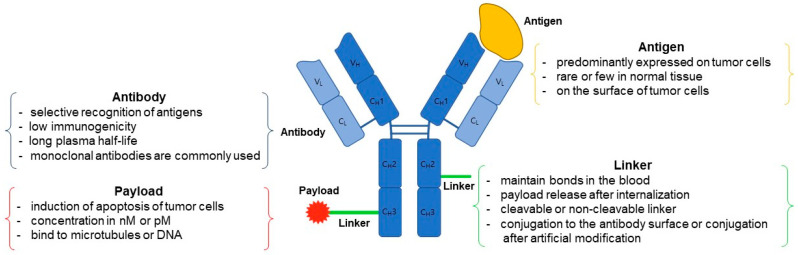
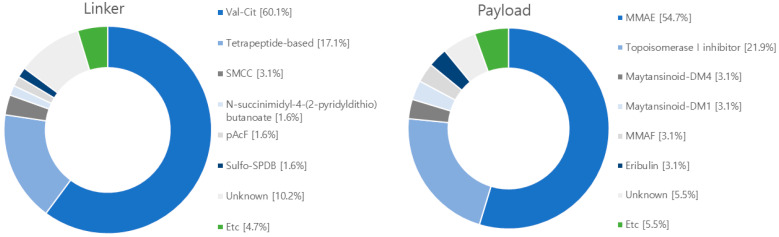
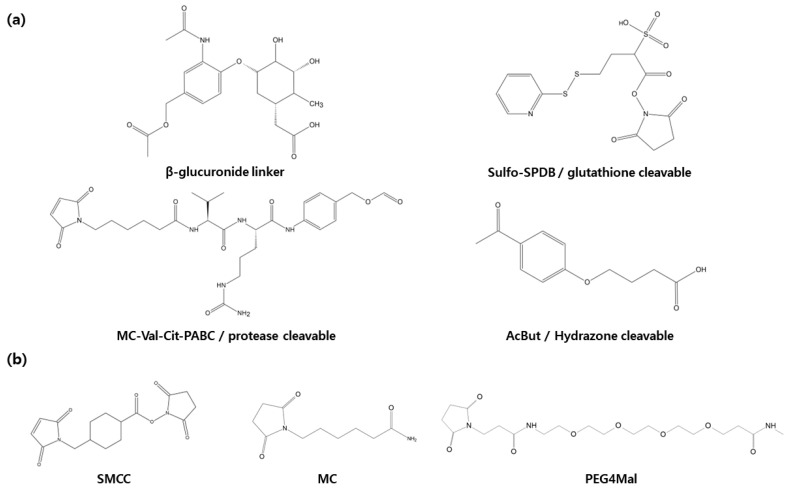
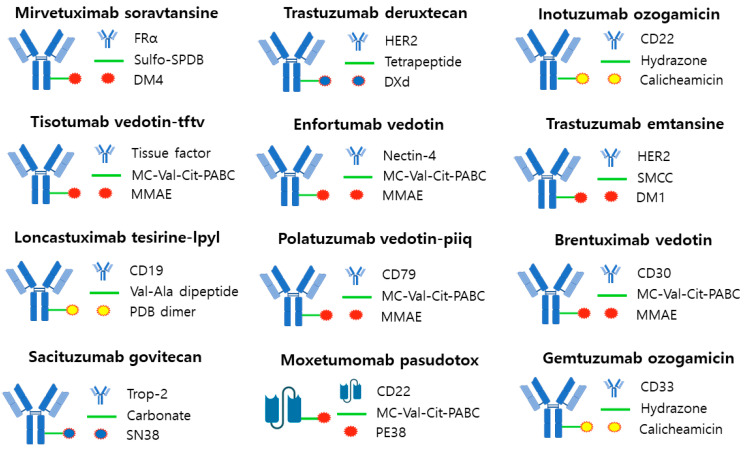
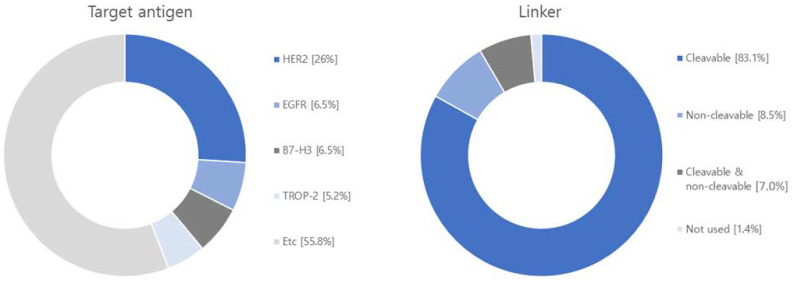
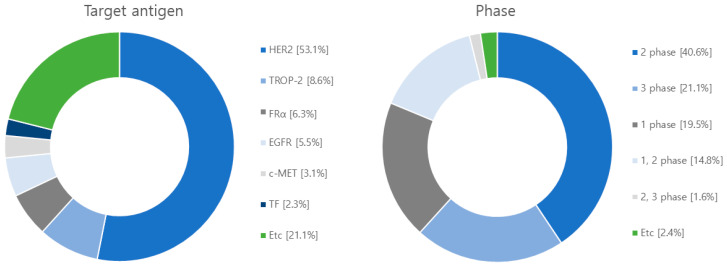
In cancer treatment, the first-generation, cytotoxic drugs, though effective against cancer cells, also harmed healthy ones. The second-generation targeted cancer cells precisely to inhibit their growth. Enter the third-generation, consisting of immuno-oncology drugs, designed to combat drug resistance and bolster the immune system's defenses. These advanced therapies operate by obstructing the uncontrolled growth and spread of cancer cells through the body, ultimately eliminating them effectively. Within the arsenal of cancer treatment, monoclonal antibodies offer several advantages, including inducing cancer cell apoptosis, precise targeting, prolonged presence in the body, and minimal side effects. A recent development in cancer therapy is Antibody-Drug Conjugates (ADCs), initially developed in the mid-20th century. The second generation of ADCs addressed this issue through innovative antibody modification techniques, such as DAR regulation, amino acid substitutions, incorporation of non-natural amino acids, and enzymatic drug attachment. Currently, a third generation of ADCs is in development. This study presents an overview of 12 available ADCs, reviews 71 recent research papers, and analyzes 128 clinical trial reports. The overarching objective is to gain insights into the prevailing trends in ADC research and development, with a particular focus on emerging frontiers like potential targets, linkers, and drug payloads within the realm of cancer treatment.
在癌症治疗中,第一代细胞毒性药物虽然对癌细胞有效,但也会损害健康细胞。第二代药物则精确靶向癌细胞以抑制其生长。第三代免疫肿瘤药物应运而生,旨在对抗耐药性并增强免疫系统的防御能力。这些先进疗法通过阻碍癌细胞在体内不受控制的生长和扩散来发挥作用,最终有效消除癌细胞。在癌症治疗手段中,单克隆抗体具有多种优势,包括诱导癌细胞凋亡、精准靶向、在体内长时间存在以及副作用极小。癌症治疗领域的一项最新进展是抗体药物偶联物(ADC),它最初于20世纪中叶研发。第二代ADC通过创新的抗体修饰技术解决了相关问题,如药物抗体比(DAR)调控、氨基酸替换、非天然氨基酸的掺入以及酶促药物连接。目前,第三代ADC正在研发中。本研究概述了12种可用的ADC,回顾了71篇近期研究论文,并分析了128份临床试验报告。总体目标是深入了解ADC研发的当前趋势,特别关注癌症治疗领域中潜在靶点、连接子和药物有效载荷等新兴前沿领域。