Hua Yujie, Wang Kai, Huo Yingying, Zhuang Yaping, Wang Yuhui, Fang Wenzhuo, Sun Yuyan, Zhou Guangdong, Fu Qiang, Cui Wenguo, Zhang Kaile
Department of Urology, Shanghai Sixth People's Hospital Affiliated to Shanghai Jiao Tong University School of Medicine, Shanghai Jiao Tong University, Shanghai, 200233, P. R. China.
Department of Plastic and Reconstructive Surgery, Shanghai Ninth People's Hospital Affiliated to Shanghai Jiao Tong University School of Medicine, Shanghai Key Laboratory of Tissue Engineering, Shanghai, 200011, P. R. China.
Nat Commun. 2023 Nov 22;14(1):7632. doi: 10.1038/s41467-023-43421-w.
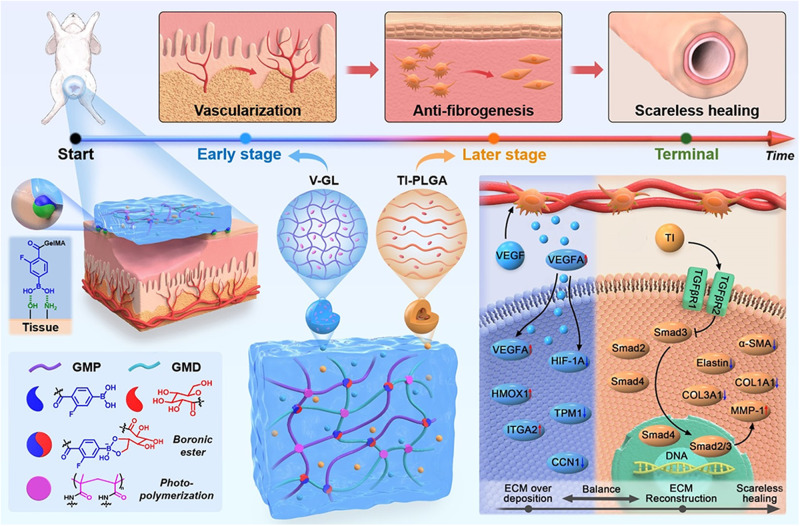
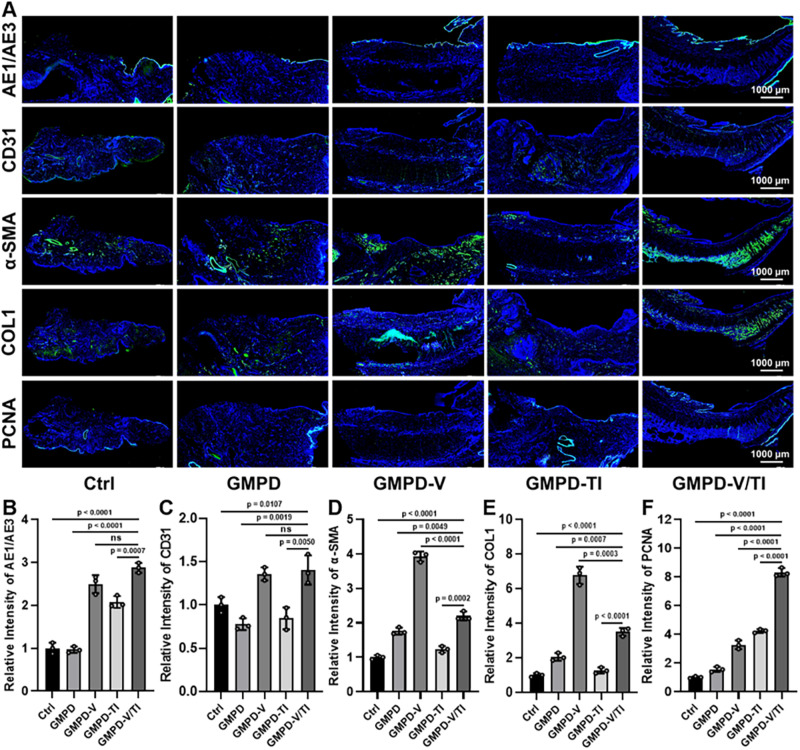
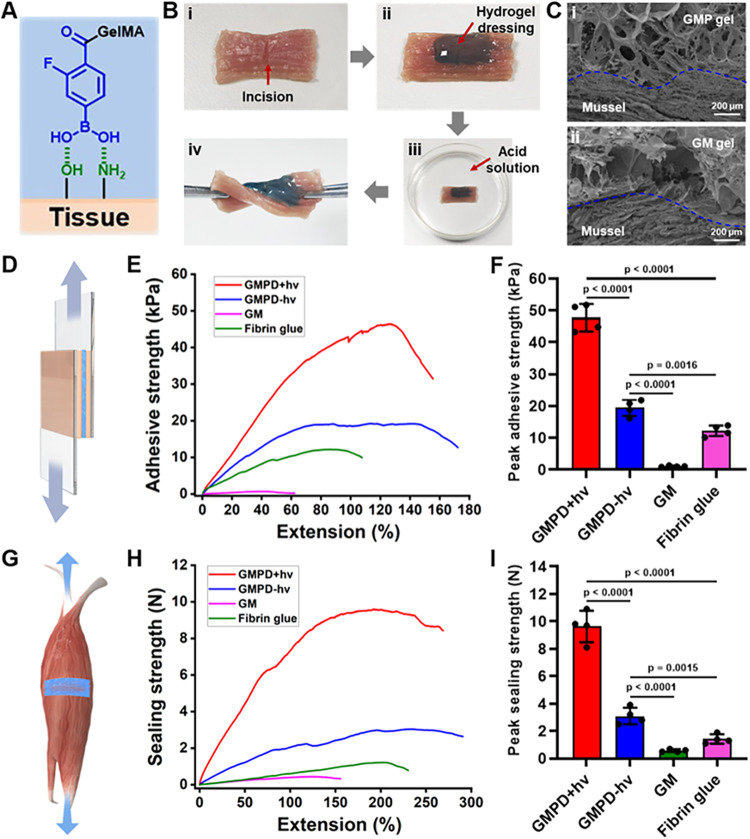
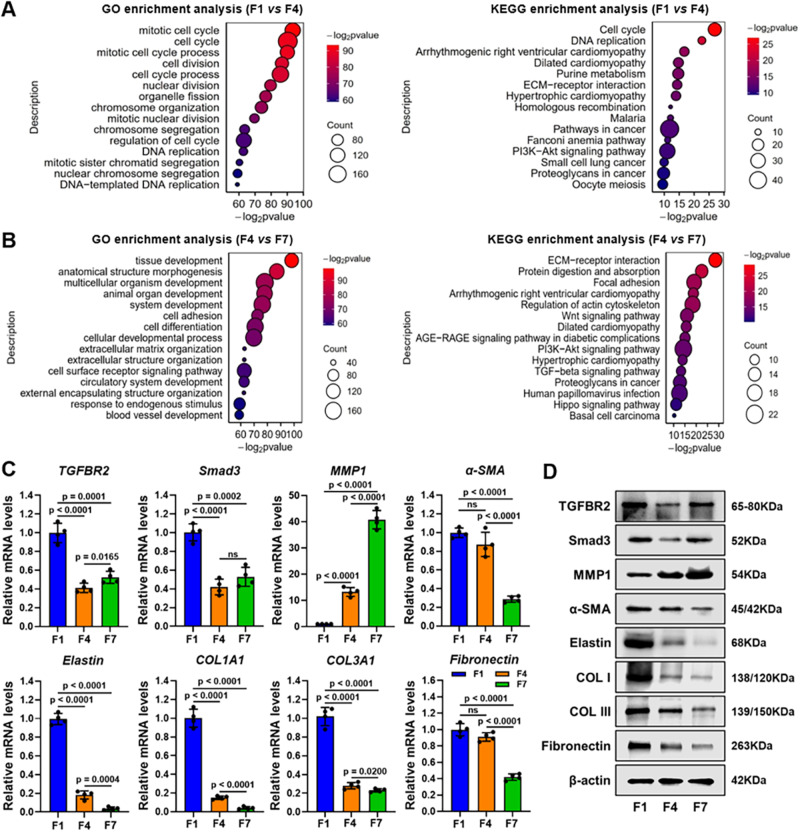
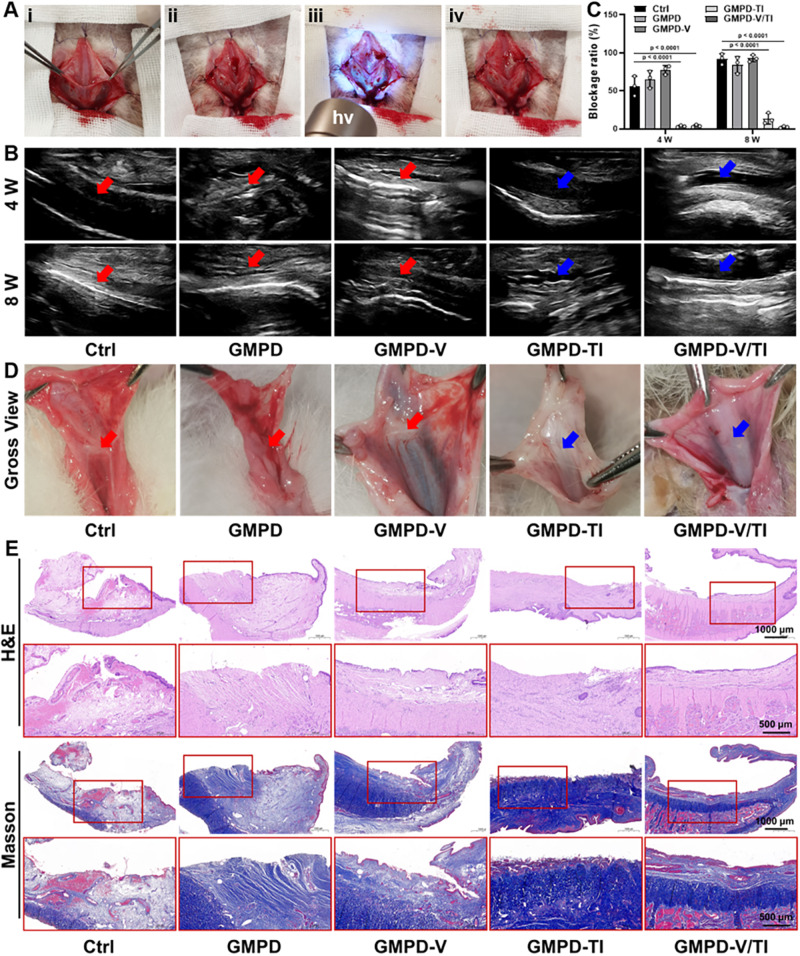
The harsh urethral microenvironment (UME) after trauma severely hinders the current hydrogel-based urethral repair. In fact, four-dimensional (4D) consideration to mimic time-dependent physiological processes is essential for scarless urethral reconstruction, which requires balancing extracellular matrix (ECM) deposition and remodeling at different healing stages. In this study, we develop a UME-adaptable 4D hydrogel dressing to sequentially provide an early-vascularized microenvironment and later-antifibrogenic microenvironment for scarless urethral reconstruction. With the combination of dynamic boronic ester crosslinking and covalent photopolymerization, the resultant gelatin methacryloyl phenylboronic acid/cis-diol-crosslinked (GMPD) hydrogels exhibit mussel-mimetic viscoelasticity, satisfactory adhesion, and acid-reinforced stability, which can adapt to harsh UME. In addition, a temporally on-demand regulatory (TOR) technical platform is introduced into GMPD hydrogels to create a time-dependent 4D microenvironment. As a result, physiological urethral recovery is successfully mimicked by means of an early-vascularized microenvironment to promote wound healing by activating the vascular endothelial growth factor (VEGF) signaling pathway, as well as a later-antifibrogenic microenvironment to prevent hypertrophic scar formation by timing transforming growth factor-β (TGFβ) signaling pathway inhibition. Both in vitro molecular mechanisms of the physiological healing process and in vivo scarless urethral reconstruction in a rabbit model are effectively verified, providing a promising alternative for urethral injury treatment.
创伤后恶劣的尿道微环境(UME)严重阻碍了目前基于水凝胶的尿道修复。事实上,模拟随时间变化的生理过程的四维(4D)考量对于无瘢痕尿道重建至关重要,这需要在不同愈合阶段平衡细胞外基质(ECM)的沉积和重塑。在本研究中,我们开发了一种适应UME的4D水凝胶敷料,为无瘢痕尿道重建依次提供早期血管化微环境和后期抗纤维化微环境。通过动态硼酸酯交联和共价光聚合相结合,所得的甲基丙烯酰化明胶苯基硼酸/顺式二醇交联(GMPD)水凝胶表现出仿贻贝的粘弹性、令人满意的粘附性和酸增强稳定性,能够适应恶劣的UME。此外,将时间按需调节(TOR)技术平台引入GMPD水凝胶中,以创建一个随时间变化的4D微环境。结果,通过早期血管化微环境激活血管内皮生长因子(VEGF)信号通路促进伤口愈合,以及通过适时抑制转化生长因子-β(TGFβ)信号通路的后期抗纤维化微环境,成功模拟了生理性尿道恢复。生理愈合过程的体外分子机制和兔模型中的体内无瘢痕尿道重建均得到有效验证,为尿道损伤治疗提供了一种有前景的替代方案。