Iwara Iwara A, Mboso Eve O, Ibor Oju R, Elot Kelvin, Igajah Collin, Bassey Andem A, Eteng Ofem E, Mgbeje Bob I A, Igile Godwin O, Eteng Mbeh U, Arukwe Augustine
Department of Biochemistry, Faculty of Basic Medical Sciences, University of Calabar, P.M.B 1115, Calabar, Nigeria.
Department of Zoology and Environmental Biology, University of Calabar, P.M.B 1115, Calabar, Nigeria.
Heliyon. 2023 Oct 31;9(11):e21308. doi: 10.1016/j.heliyon.2023.e21308. eCollection 2023 Nov.
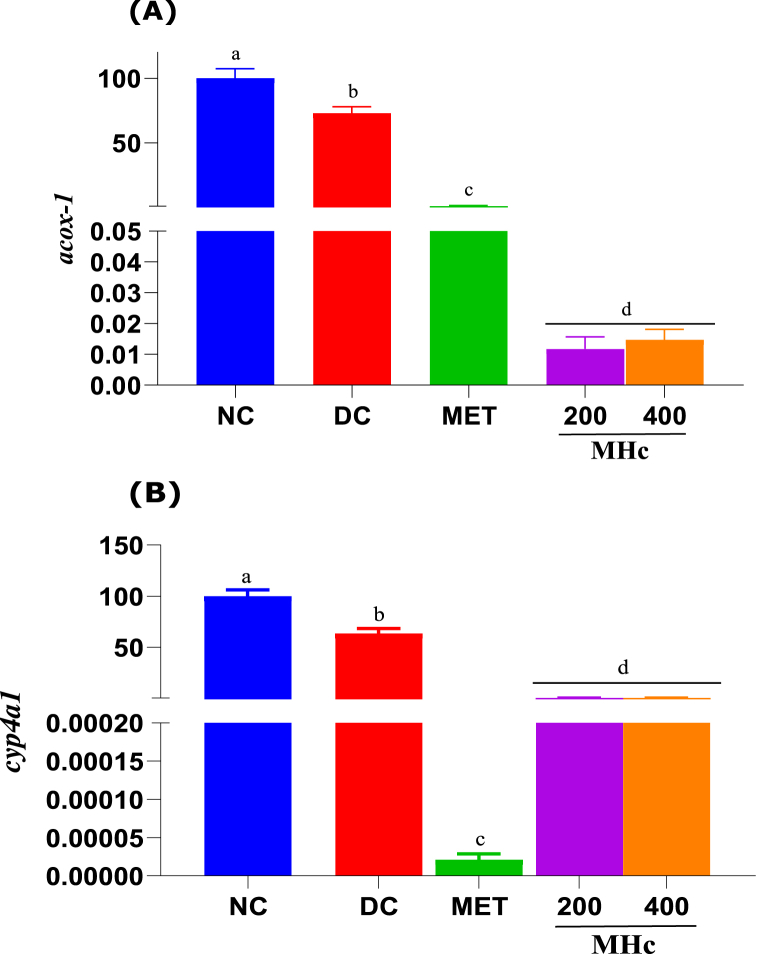
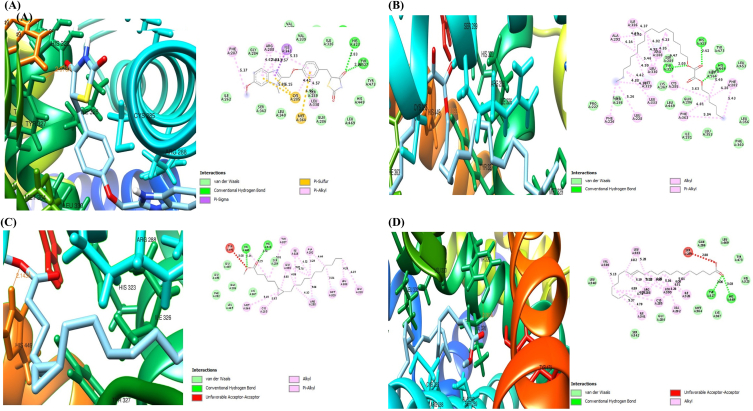
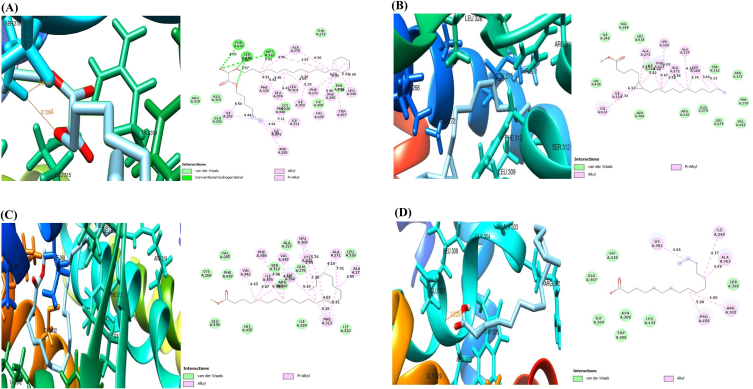
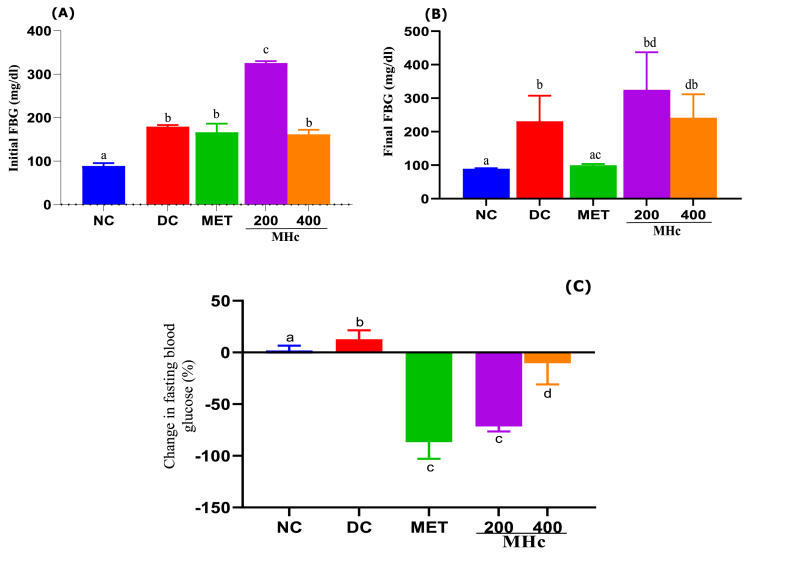
Oxidative stress plays a crucial role in the development of type 2 diabetes and the associated microvascular and cardiovascular complications. In the study, we have investigated the effects of () extracts on lipid peroxidation and oxidative stress responses using diabetic rats. Type 2 diabetes was induced with 10 % fructose/40 mg/kg body weight streptozotocin (STZ). extract was administered at 200 and 400 mg/kg body weight twice daily for 21 days, in addition to metformin (MET: 500 mg/kg body weight) control. Molecular docking analysis was performed to determine the binding affinity of extracts to the DNA binding domains of peroxisome proliferator-activated receptor (Ppar) and retinoid x receptor (Rxr) protein crystal structures, showing different binding affinities for putative active compounds from the plant. Fasting blood glucose (FBG), body and organ weight changes were determined showing that extract induced an anti-hyperglycemic effect in the treated animals, with changes (either decrease or increase) in liver and kidney weights. A decrease in mRNA expression of peroxisome proliferator-activated receptors (), sterol regulatory element-binding protein 1 (), liver x-receptor (), retinoid x receptors (), cytochrome p45041 () and acyl-CoA oxidase () in diabetic animals were observed, compared to the control. A dose-specific decrease or increase in antioxidant enzymes (superoxide dismutase: SOD, catalase: CAT, reduced glutathione: GSH, glutathione peroxidase: GPx) transcripts and activity levels were also observed. We also observed exposure-specific decrease or increase of malondialdehyde (MDA) levels. Our data suggested that extract possesses protective effects against diabetes-induced oxidative stress. These effects might be attributed to their binding and activation of nuclear receptors, indicating their cellular mode of action that is comparable to MET.
氧化应激在2型糖尿病及其相关微血管和心血管并发症的发生发展中起关键作用。在本研究中,我们使用糖尿病大鼠研究了()提取物对脂质过氧化和氧化应激反应的影响。用10%果糖/40mg/kg体重的链脲佐菌素(STZ)诱导2型糖尿病。除二甲双胍(MET:500mg/kg体重)对照外,提取物以200和400mg/kg体重每日两次给药21天。进行分子对接分析以确定提取物与过氧化物酶体增殖物激活受体(Ppar)和视黄酸X受体(Rxr)蛋白晶体结构的DNA结合域的结合亲和力,结果显示该植物的推定活性化合物具有不同的结合亲和力。测定空腹血糖(FBG)、体重和器官重量变化,结果表明提取物在治疗的动物中诱导了抗高血糖作用,肝脏和肾脏重量有变化(减少或增加)。与对照组相比,观察到糖尿病动物中过氧化物酶体增殖物激活受体()、固醇调节元件结合蛋白1()、肝脏X受体()、视黄酸X受体()、细胞色素p45041()和酰基辅酶A氧化酶()的mRNA表达降低。还观察到抗氧化酶(超氧化物歧化酶:SOD、过氧化氢酶:CAT、还原型谷胱甘肽:GSH、谷胱甘肽过氧化物酶:GPx)转录本和活性水平的剂量特异性降低或升高。我们还观察到丙二醛(MDA)水平的暴露特异性降低或升高。我们的数据表明提取物对糖尿病诱导的氧化应激具有保护作用。这些作用可能归因于它们与核受体的结合和激活,表明它们的细胞作用模式与MET相当。