Alkhamees Mohammad, Alasqah Ibrahim
Department of Health Administration, College of Public Health & Health Informatics, Qassim University, Albukayriyah 52741, Saudi Arabia.
Department of Public Health, College of Public Health and Health Informatics, Qassim University, Albukayriyah 52741, Saudi Arabia.
Heliyon. 2023 Nov 24;9(12):e22667. doi: 10.1016/j.heliyon.2023.e22667. eCollection 2023 Dec.
Intercultural communication between physicians and patients is a prominent challenge faced by health sectors. This integrative review aims to explore and summarize the current literature examining the cultural factors impacting the communication experience of patients and physicians in healthcare settings and provide an evidence-based solution.
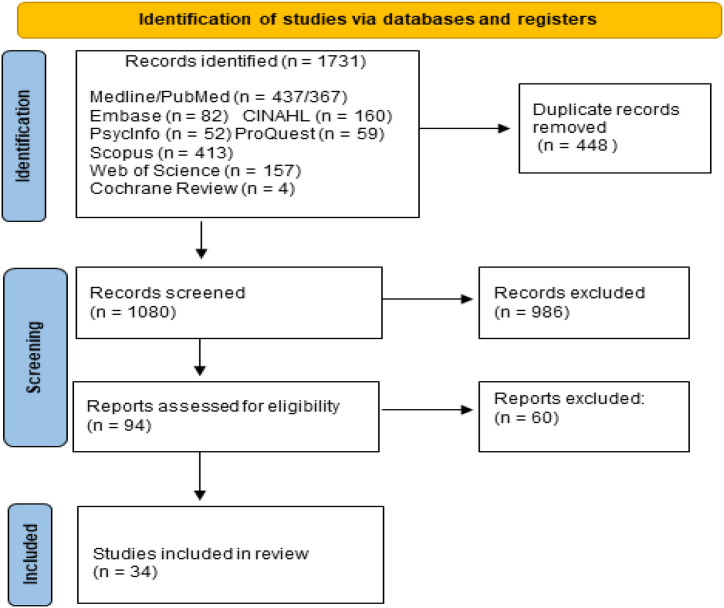
We used Whittemore and Knafl's (2005) approach to conduct this integrated review of the literature. Primary research studies meeting the search criteria were accessed from Medline/PubMed, Embassy, CINAHL, PsycInfo, ProQuest, Scopus, Web of Science, and Cochrane Review. We included studies published in English from 2008 to 2022. A total of 1731 studies were identified, of which 34 articles were included in this review.
The findings revealed a difference in physicians' communicative behaviour when encountering patients from different cultural backgrounds compared to encounters with patients from the same cultural background. When communicating with patients from different cultural backgrounds, physicians were found to be authoritarian, biomedical-focused, and not involve patients in decision-making. Patients' behaviours during consultations and experience and perception of quality of care in intercultural consultations were varied and inconclusive. Often patients were found to exaggerate respect for physicians, feel uncomfortable with the direct communication style of physicians, have a less proactive attitude, demonstrate low health literacy, and feel shy. These behaviours were attributed to language differences, differences in perception of disease, perception of health communication, prejudice, assumptions, training experience of physicians, and time allocated for consultations. Further, ineffective communication in intercultural consultations was found to impact patient satisfaction, medical adherence, continuity of care, physician's job satisfaction, and ability to diagnose correctly.
Effective communication plays a significant role in patient and physician satisfaction. Health policymakers must formulate appropriate policies that encourage expatriate physicians to develop intercultural competencies to enhance intercultural communication, improve satisfaction, quality decision-making, correct diagnosis, and enhance public health.
医生与患者之间的跨文化交流是卫生部门面临的一项重大挑战。本综合综述旨在探讨和总结当前研究医疗环境中影响患者和医生沟通体验的文化因素的文献,并提供基于证据的解决方案。
我们采用惠特莫尔和克纳夫(2005年)的方法对文献进行综合综述。从Medline/PubMed、Embassy、CINAHL、PsycInfo、ProQuest、Scopus、科学网和考科蓝系统评价数据库中获取符合检索标准的原始研究。我们纳入了2008年至2022年以英文发表的研究。共识别出1731项研究,其中34篇文章纳入本综述。
研究结果显示,与遇到来自相同文化背景的患者相比,医生在遇到来自不同文化背景的患者时,其沟通行为存在差异。在与来自不同文化背景的患者沟通时,医生表现出专制、以生物医学为中心,且不让患者参与决策。患者在咨询过程中的行为以及跨文化咨询中对护理质量的体验和认知各不相同且尚无定论。通常发现患者会过度尊重医生,对医生直接的沟通方式感到不适,态度不够积极主动,健康素养较低,且感到害羞。这些行为归因于语言差异、对疾病的认知差异、对健康沟通的认知、偏见、假设、医生的培训经历以及咨询时间分配。此外,发现跨文化咨询中无效的沟通会影响患者满意度、医疗依从性、护理连续性、医生工作满意度以及正确诊断的能力。
有效的沟通对患者和医生的满意度起着重要作用。卫生政策制定者必须制定适当政策,鼓励外籍医生培养跨文化能力,以加强跨文化交流,提高满意度、做出高质量决策、正确诊断并改善公众健康。