Krakos Agnieszka
Department of Microsystems, Wroclaw University of Science and Technology, Janiszewskiego 11/17, 50-372, Wroclaw, Poland.
Mikrochim Acta. 2023 Dec 14;191(1):31. doi: 10.1007/s00604-023-06084-4.
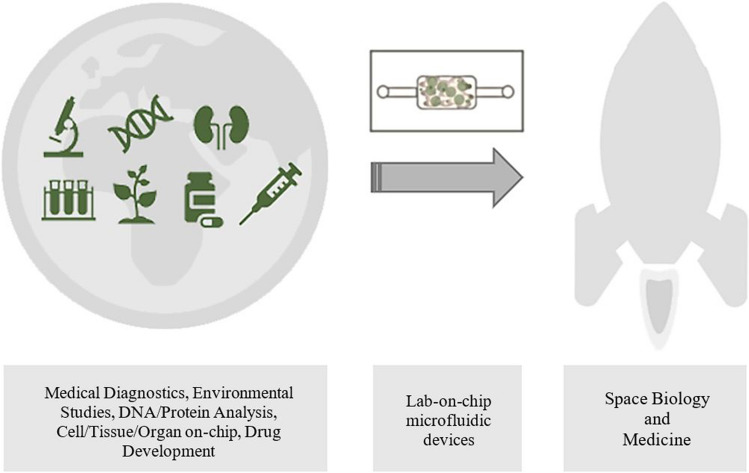
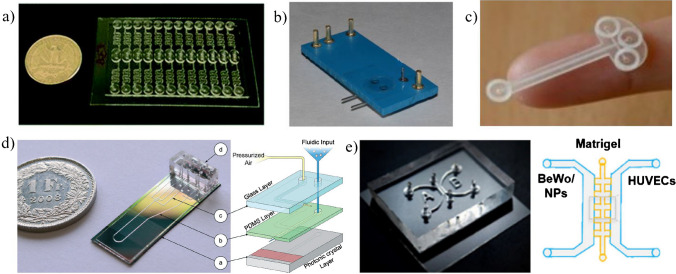
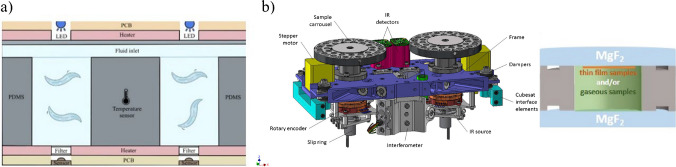
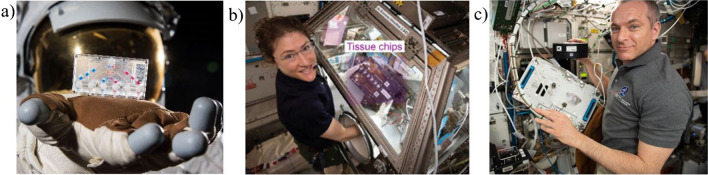
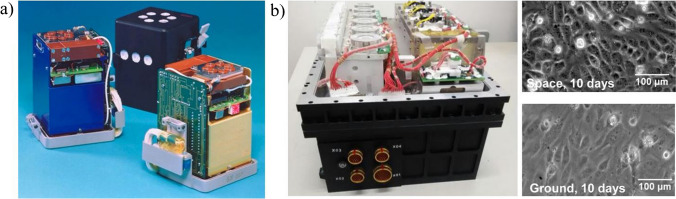
The in-depth analysis concerning application of microfluidic instruments for space biology research is presented. The article focuses on recently investigated key scientific fields, i.e., lab-on-chips applied to the biomedical studies performed in the (1) International Space Station and (2) CubeSat nanosatellites. The paper presents also the lab-on-chip devices that were fabricated with a view to future space biology research and to those that to date have been solely been tested under Earth laboratory conditions and/or simulated microgravity environments. NASA and ESA conceptual mission plans for future are also mentioned, concerning for instance "tissue chips" and the ESA-SPHEROIDS campaign. The paper ends with final conclusions and future perspectives regarding lab-on-chip application in the space biology sector and its impact on novel biomedical and pharmaceutical strategies.
本文对微流控仪器在空间生物学研究中的应用进行了深入分析。文章重点关注了近期研究的关键科学领域,即应用于(1)国际空间站和(2)立方星纳米卫星上进行的生物医学研究的芯片实验室。本文还介绍了为未来空间生物学研究而制造的芯片实验室设备,以及那些迄今为止仅在地球实验室条件和/或模拟微重力环境下进行过测试的设备。文中还提到了美国国家航空航天局(NASA)和欧洲航天局(ESA)未来的概念任务计划,例如“组织芯片”和ESA-SPHEROIDS活动。本文最后给出了关于芯片实验室在空间生物学领域应用的最终结论和未来展望,以及其对新型生物医学和制药策略的影响。