Brady Shannon M, Shneidman Laura A, Cano Cornelio Azarias Chay, Davis Elizabeth L
University of California, Riverside, 900 University Ave, Riverside, CA 92521 USA.
Pacific Lutheran University, Tacoma, USA.
Affect Sci. 2023 Aug 14;4(4):644-661. doi: 10.1007/s42761-023-00205-1. eCollection 2023 Dec.
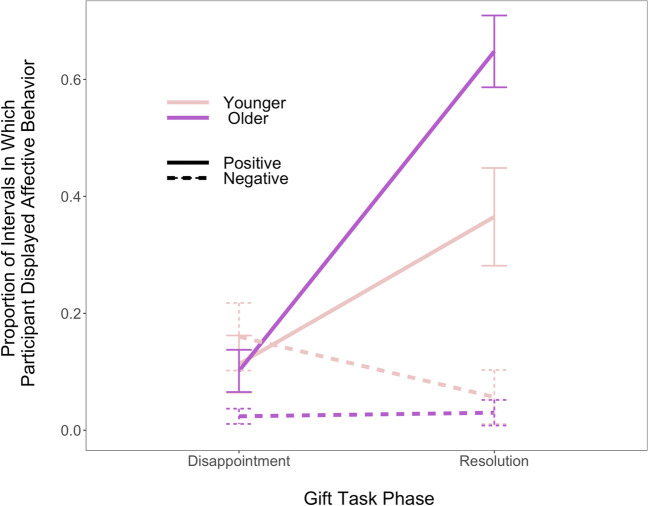
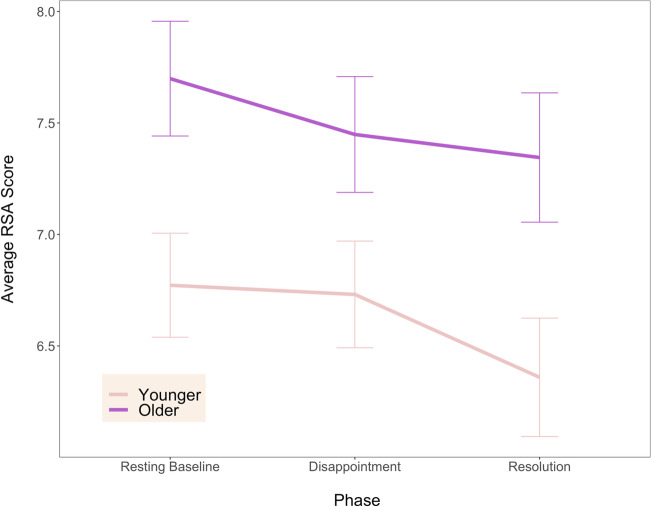
While the field of affective science has seen increased interest in and representation of the role of culture in emotion, prior research has disproportionately centered on Western, English-speaking, industrialized, and/or economically developed nations. We investigated the extent to which emotional experiences and responding may be shaped by cultural display rule understanding among Yucatec Maya children, an indigenous population residing in small-scale communities in remote areas of Mexico's Yucatan peninsula. Data were collected from forty-two 6- and 10-year-old Yucatec children who completed a resting baseline and a structured disappointing gift task. Children were asked about whether specific emotions are better to show or to hide from others and self-reported the intensity of their discrete positive and negative emotional experiences. We observed and coded expressive positive and negative affective behavior during and after the disappointing gift task, and continuously acquired physiological measures of autonomic nervous system function. These multi-method indices of emotional responding enable us to provide a nuanced description of children's observable and unobservable affective experiences. Results generally indicated that children's understanding of and adherence to cultural display rules (i.e., to suppress negative emotions but openly show positive ones) was evidenced across indices of emotion, as predicted. The current study is a step toward the future of affective science, which lies in the pursuit of more diverse and equitable representation in study samples, increased use of concurrent multimethod approaches to studying emotion, and increased exploration of how emotional processes develop.
虽然情感科学领域对文化在情感中的作用的关注和研究有所增加,但先前的研究过多地集中在西方、讲英语、工业化和/或经济发达的国家。我们调查了墨西哥尤卡坦半岛偏远地区小规模社区的土著居民——尤卡坦玛雅儿童对文化展示规则的理解在多大程度上可能塑造情感体验和反应。数据收集自42名6岁和10岁的尤卡坦儿童,他们完成了静息基线和结构化的失望礼物任务。孩子们被问及特定情绪是更好地向他人展示还是隐藏起来,并自我报告了他们离散的积极和消极情绪体验的强度。我们在失望礼物任务期间和之后观察并编码了表达性的积极和消极情感行为,并持续获取自主神经系统功能的生理指标。这些多方法的情感反应指标使我们能够对儿童可观察和不可观察的情感体验进行细致入微的描述。结果总体表明,正如预期的那样,在情感指标中都证明了儿童对文化展示规则的理解和遵守(即抑制负面情绪但公开展示正面情绪)。当前的研究是迈向情感科学未来的一步,情感科学的未来在于追求研究样本中更多样化和公平的代表性,增加使用并发多方法来研究情感,以及增加对情感过程如何发展的探索。