Lone Bashir Ahmad, Tabassum Misbah, Bhushan Anil, Rani Dixhya, Dhiman Urvashi, Ahmad Ajaz, Mir Hilal Ahmad, Gupta Prem N, Mondhe D M, Gairola Sumeet, Gupta Prasoon
CSIR-Human Resource Development Centre, Academy of Scientific and Innovative Research, Ghaziabad, India.
Natural Products and Medicinal Chemistry Division, CSIR-Indian Institute of Integrative Medicine, Jammu, India.
Front Chem. 2023 Dec 22;11:1306271. doi: 10.3389/fchem.2023.1306271. eCollection 2023.
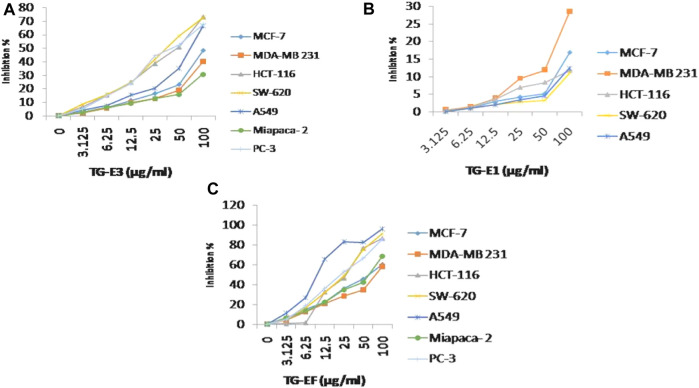
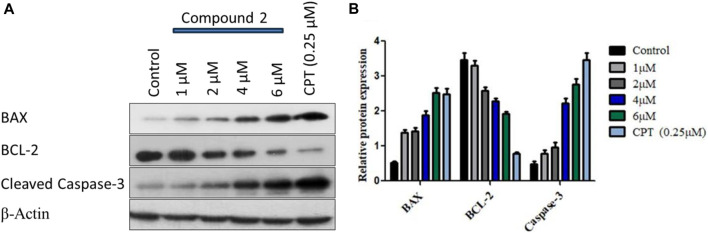
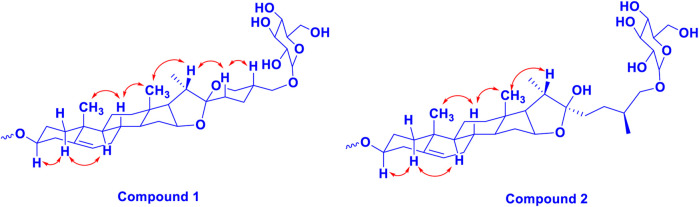
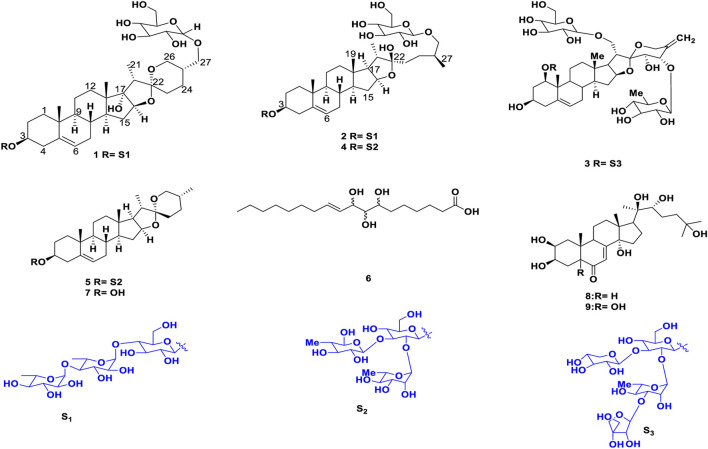
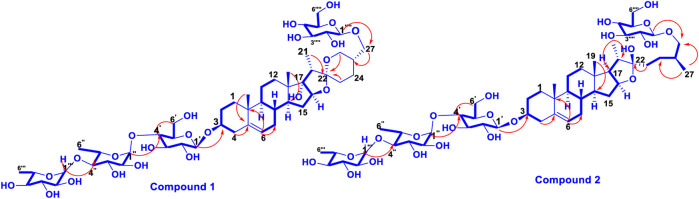
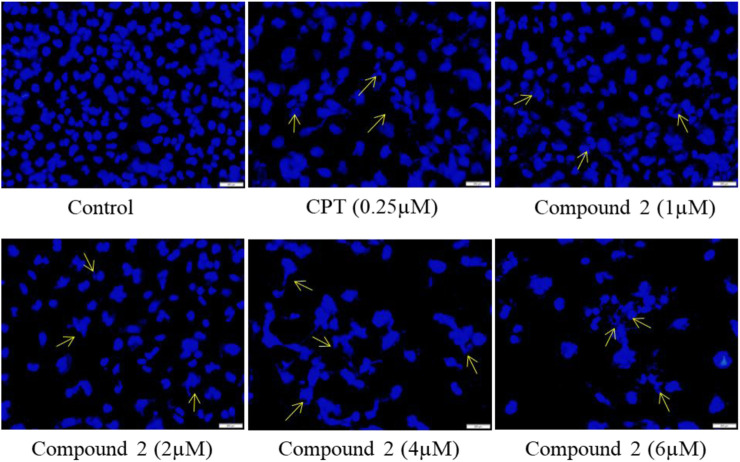
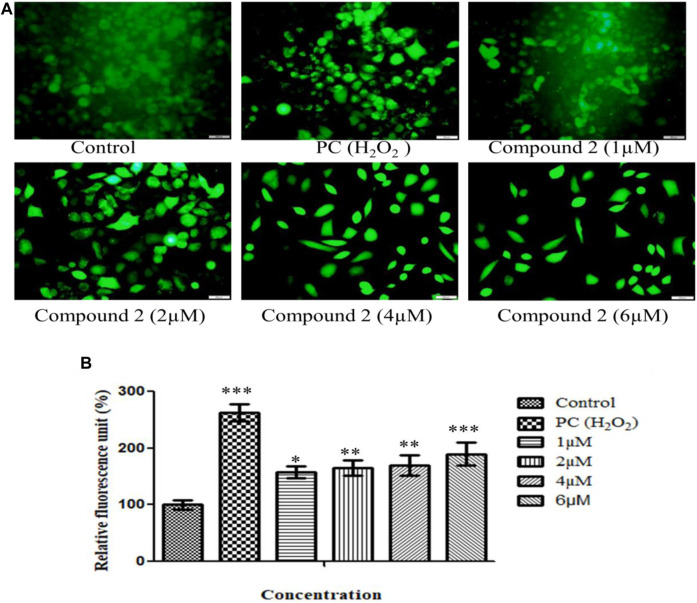
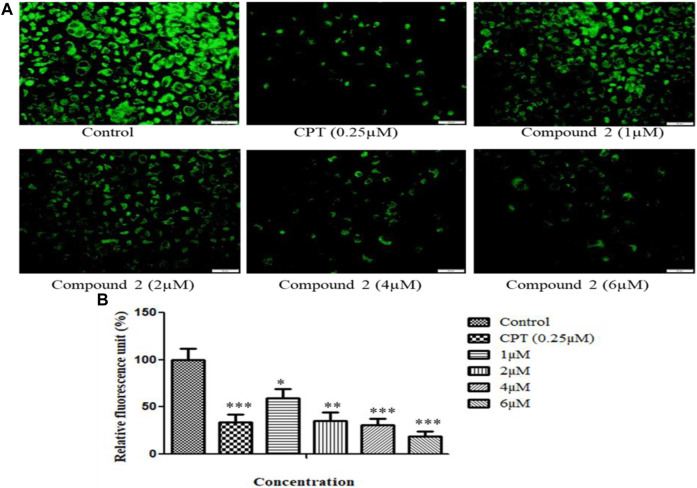
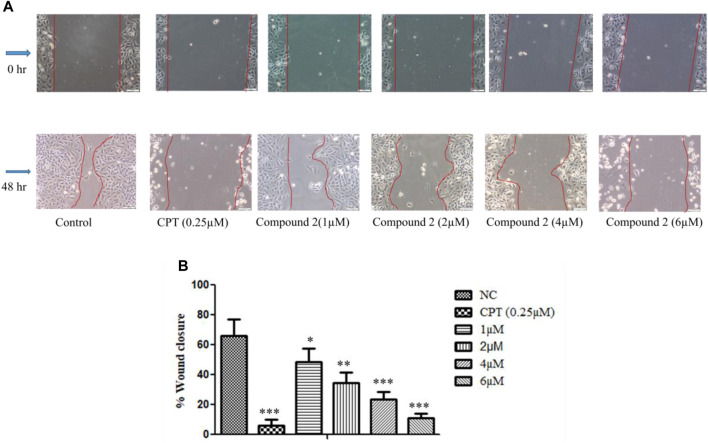
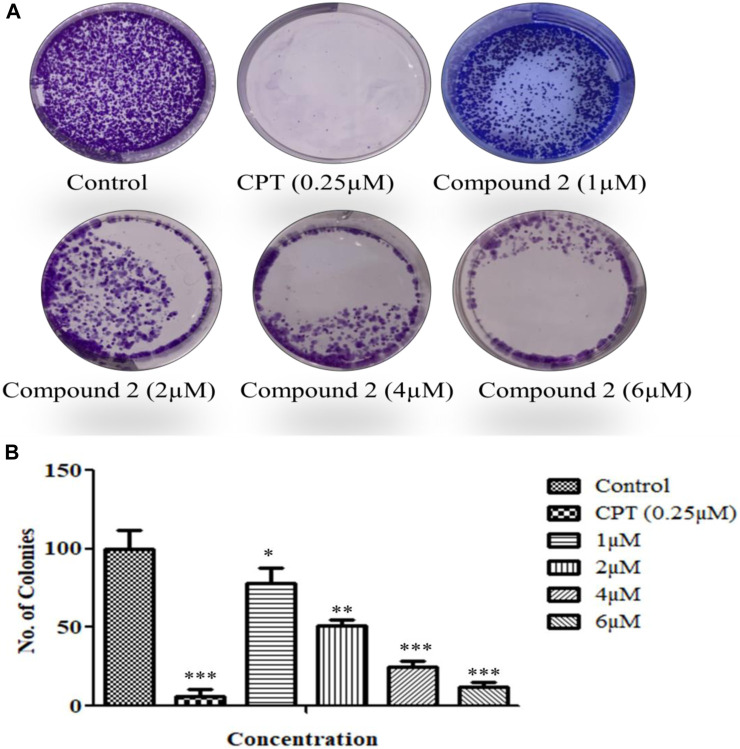
Two novel steroidal saponins, trilliumosides K () and L (), were isolated from the rhizomes of led by bioactivity-guided phytochemical investigation along with seven known compounds: govanoside D (), protodioscin (), borassoside E (), 20-hydroxyecdysone (), 5,20-hydroxyecdysone (), govanic acid (), and diosgenin (). The structure of novel compounds 1-2 was established using analysis of spectroscopic data including 1D and 2D nuclear magnetic resonance (NMR) and high resolution mass spectrometry (HR-ESI-MS) data. All isolated compounds were evaluated for cytotoxic activity against a panel of human cancer cell lines. Compound showed significant cytotoxic activity against the A-549 (Lung) and SW-620 (Colon) cancer cell lines with IC50 values of 1.83 and 1.85 µM, respectively whereas the IC50 value of Compound against the A-549 cell line was found to be 1.79 µM. Among the previously known compounds , , and , the cytotoxic IC50 values were found to be in the range of 5-10 µM. Comprehensive anti-cancer investigation revealed that Compound inhibited migration and colony-forming capability in the A-549 cell line. Additionally, the mechanistic analysis of Compound on the A-549 cell line indicated distinctive alterations in nuclear morphology, increased reactive oxygen species (ROS) production, and decreased levels of mitochondrial membrane potential (MMP). By upregulating the pro-apoptotic protein BAX and downregulating the anti-apoptotic protein BCL-2, the aforementioned actions eventually cause apoptosis, a crucial hallmark in cancer research, which activates Caspase-3. To the best of our knowledge, this study reports the first mechanistic anti-cancer evaluation of the compounds isolated from the rhizomes of with remarkable cytotoxic activity in the desired micromolar range.
通过生物活性导向的植物化学研究,从延龄草的根茎中分离出两种新型甾体皂苷,延龄草苷K()和L(),以及七种已知化合物:戈瓦诺苷D()、原薯蓣皂苷()、刺葵皂苷E()、20-羟基蜕皮激素()、5,20-二羟基蜕皮激素()、戈瓦尼酸()和薯蓣皂苷元()。利用包括一维和二维核磁共振(NMR)以及高分辨率质谱(HR-ESI-MS)数据在内的光谱数据分析,确定了新型化合物1-2的结构。对所有分离出的化合物进行了针对一组人类癌细胞系的细胞毒性活性评估。化合物对A-549(肺癌)和SW-620(结肠癌)癌细胞系显示出显著的细胞毒性活性,IC50值分别为1.83和1.85 μM,而化合物对A-549细胞系的IC50值为1.79 μM。在先前已知的化合物、和中,细胞毒性IC50值在5-10 μM范围内。全面的抗癌研究表明,化合物抑制了A-549细胞系中的迁移和集落形成能力。此外,对化合物在A-549细胞系上的作用机制分析表明,核形态发生了明显改变,活性氧(ROS)生成增加,线粒体膜电位(MMP)水平降低。通过上调促凋亡蛋白BAX和下调抗凋亡蛋白BCL-2,上述作用最终导致凋亡,这是癌症研究中的一个关键标志,可激活半胱天冬酶-3。据我们所知,本研究首次报道了从延龄草根茎中分离出的化合物在所需的微摩尔范围内具有显著细胞毒性活性的作用机制抗癌评估。