Department of Otolaryngology, Head and Neck Surgery, West China Hospital, Sichuan University, Chengdu, 610041, Sichuan Province, China.
Department of Otolaryngology, Zhaotong Second People's Hospital, Zhaotong, 657099, China.
Eur Arch Otorhinolaryngol. 2024 Apr;281(4):1659-1670. doi: 10.1007/s00405-023-08355-5. Epub 2024 Jan 8.
Clinical presentations encompass respiratory, feeding issues, nasopharyngeal mass, meningitis, CSF leakage, craniofacial anomalies, and endocrine problems. Surgery is the primary treatment, transitioning from frontal craniotomy to endoscopic methods, offering improved outcomes. Yet, more studies are needed. A comprehensive review on trans-sellar trans-sphenoidal encephalocele (TSTSE) is missing. Our study aims to fill this gap, offering a comprehensive perspective for physicians.
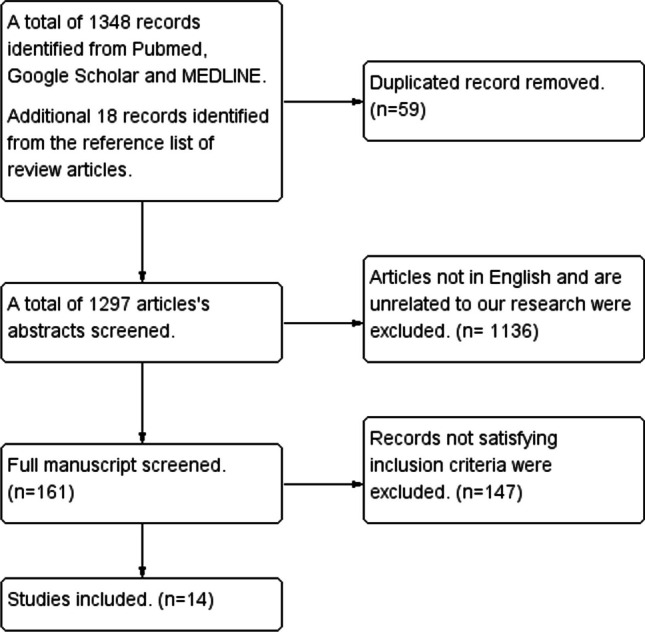
This review adhered to the PRISMA guideline. Eligible studies focused on human subjects, specifically trans-sellar encephaloceles, and provided comprehensive treatment details. English language articles published up to April 11th, 2023, were considered. Two trained researchers conducted article screening using consistent criteria. Data extraction covered various aspects, including clinical presentation, surgical methods, and outcomes, with results presented descriptively in two tables. Due to the rarity of this congenital anomaly, meta-analysis and publication bias assessment were not feasible. Data extraction was independently conducted by two reviewers, with subsequent cross-verification.
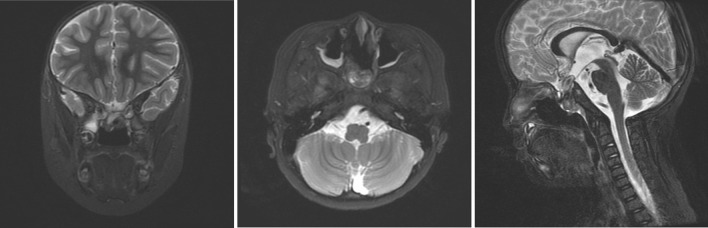
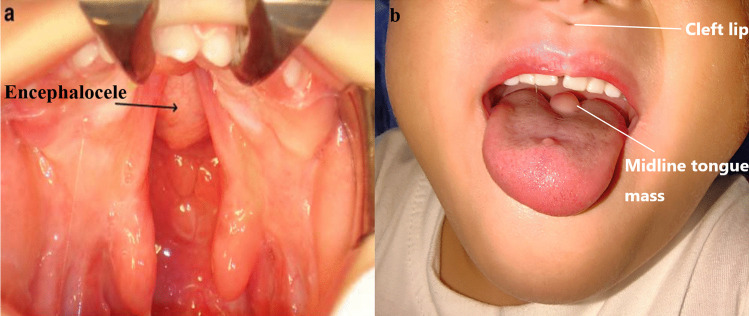
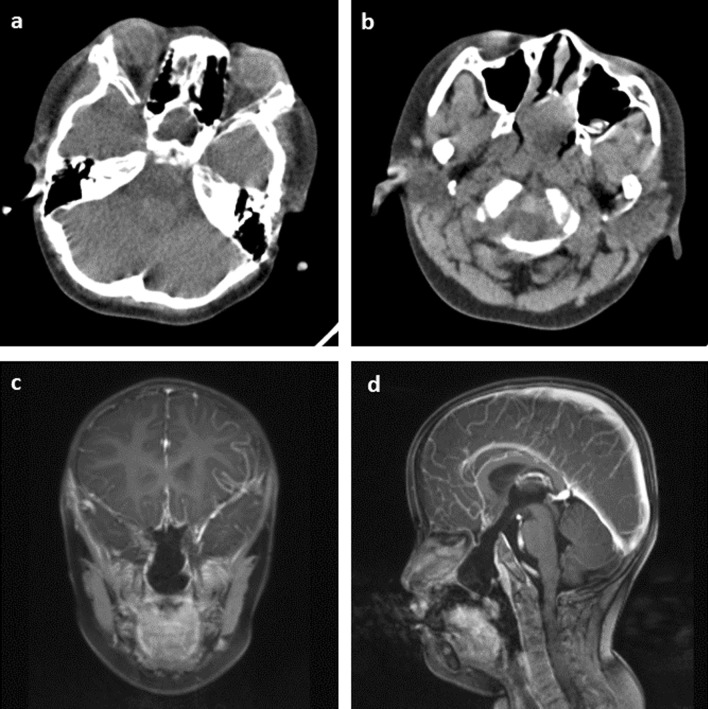
A total of 36 patients were identified from 14 studies, the most frequently observed clinical presentation was dyspnea (41.67%) and the most frequently observed accompanying anomaly was cleft lip/palate (55.56%). CT and MRI were adopted in nearly all the cases, and trans-nasal approach was the most often used surgical approach (57.14%) with the 'soft material combination' the most commonly used method for cranial base repairment (35.71%). A total of two deaths occurred and diabetes insipidus was the most common perioperative complication which occurred in six surgery patients (21.43%).
TSTSE predominantly affects males and presents with dyspnea, visual deficits, pituitary insufficiency, and cranial base-related symptoms. Early diagnosis is critical, with advanced imaging playing a key role. Endocrine assessment is vital for hormone management. Surgery offers symptom relief but entails risks, including reported fatalities and complications. The choice between surgery and conservative management requires careful deliberation. The trans-nasal approach is favored for its reduced trauma, yet further research is necessary to validate this preference.
临床表现在于呼吸道、喂养问题、鼻咽肿块、脑膜炎、CSF 漏、颅面畸形和内分泌问题。手术是主要治疗方法,从前额开颅术转为内镜方法,提供了更好的结果。然而,还需要更多的研究。目前缺少关于经蝶鞍经蝶窦脑膨出(TSTSE)的全面综述。我们的研究旨在填补这一空白,为医生提供全面的视角。
本综述遵循 PRISMA 指南。合格的研究专注于人类受试者,特别是经蝶鞍脑膨出,并提供了全面的治疗细节。考虑了截至 2023 年 4 月 11 日发表的英语文章。两名经过培训的研究人员使用一致的标准进行文章筛选。数据提取涵盖了包括临床表现、手术方法和结果在内的各个方面,并在两个表格中以描述性方式呈现结果。由于这种先天性异常的罕见性,无法进行荟萃分析和出版偏倚评估。数据提取由两名独立的审查员进行,随后进行交叉验证。
从 14 项研究中总共确定了 36 名患者,最常见的临床表现是呼吸困难(41.67%),最常见的伴随畸形是唇裂/腭裂(55.56%)。几乎所有病例都采用了 CT 和 MRI,经鼻入路是最常使用的手术入路(57.14%),而“软材料组合”是最常用的颅底修复方法(35.71%)。总共发生了两例死亡,糖尿病性多尿症是六例手术患者中最常见的围手术期并发症(21.43%)。
TSTSE 主要影响男性,表现为呼吸困难、视力减退、垂体功能不全和颅底相关症状。早期诊断至关重要,先进的影像学起着关键作用。内分泌评估对于激素管理至关重要。手术可缓解症状,但存在风险,包括报告的死亡和并发症。手术和保守治疗的选择需要仔细考虑。经鼻入路因其创伤较小而受到青睐,但需要进一步的研究来验证这种偏好。