Zhang Miao, Xing Jiyao, Zhong Yingjie, Zhang Tingting, Liu Xinlin, Xing Dongming
The Affiliated Hospital of Qingdao University, Qingdao University, Qingdao, 266071, China.
Cancer Institute, Qingdao University, Qingdao 266071, China.
Mater Today Bio. 2023 Dec 20;24:100918. doi: 10.1016/j.mtbio.2023.100918. eCollection 2024 Feb.
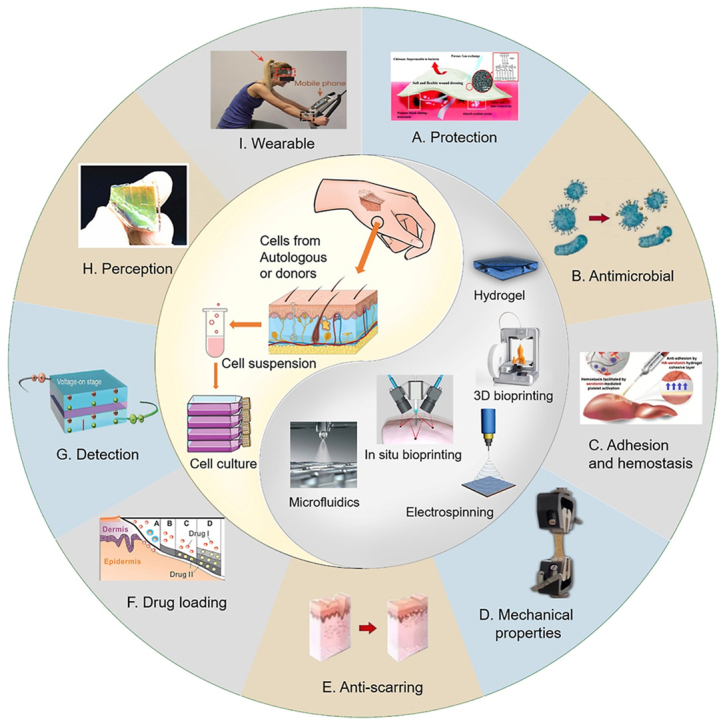
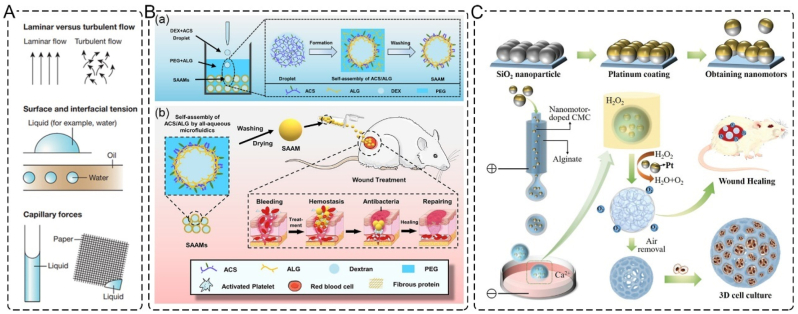
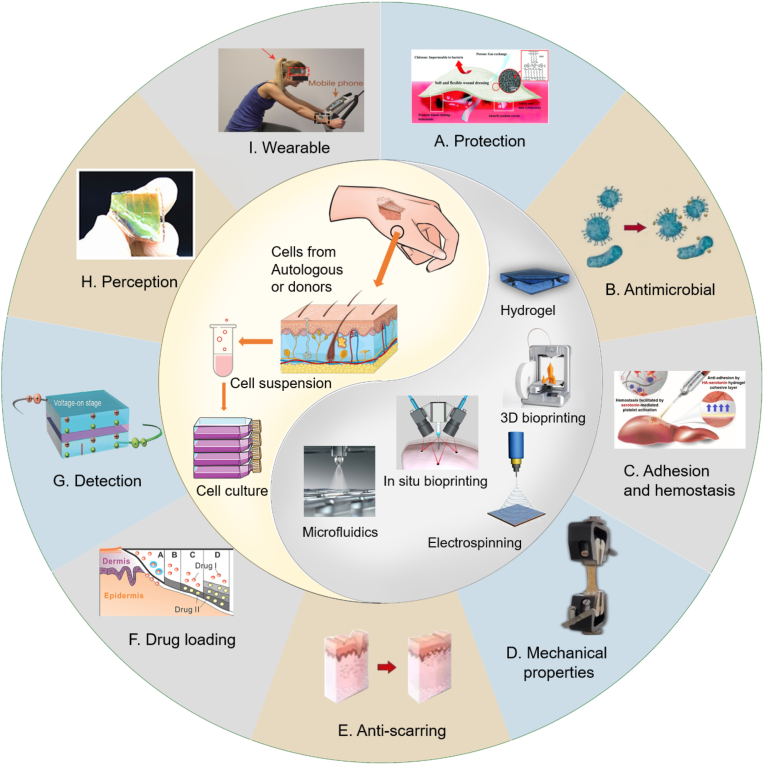
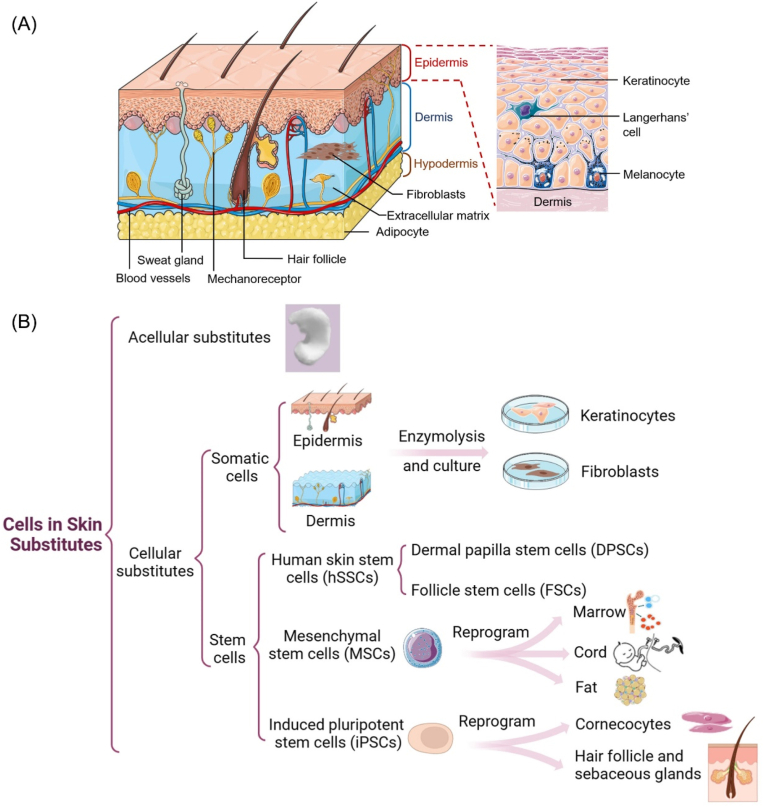
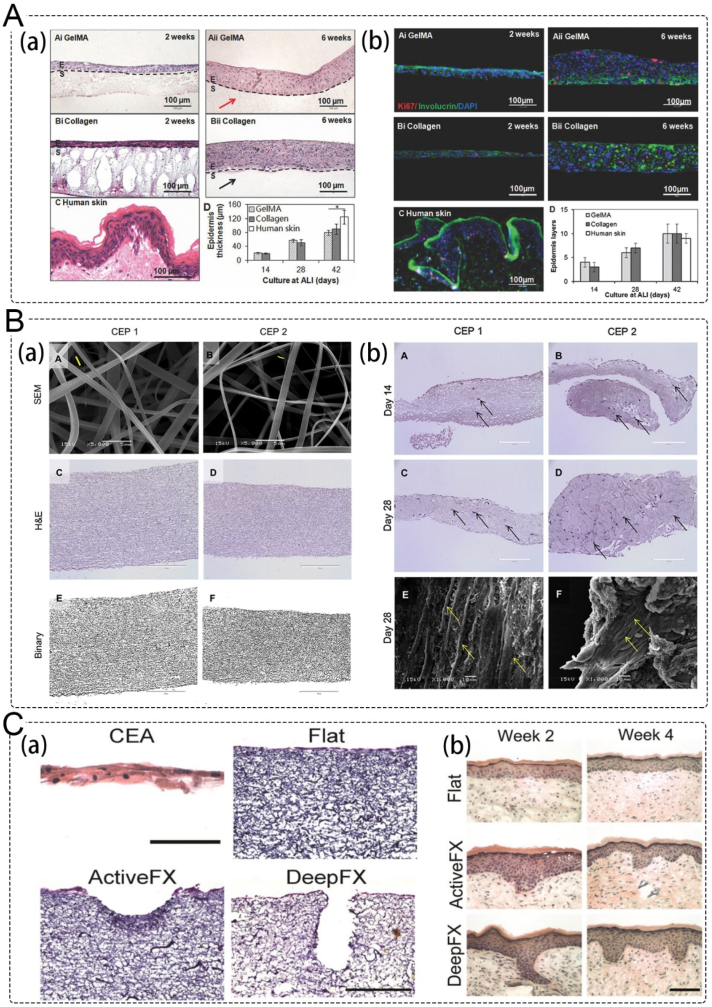
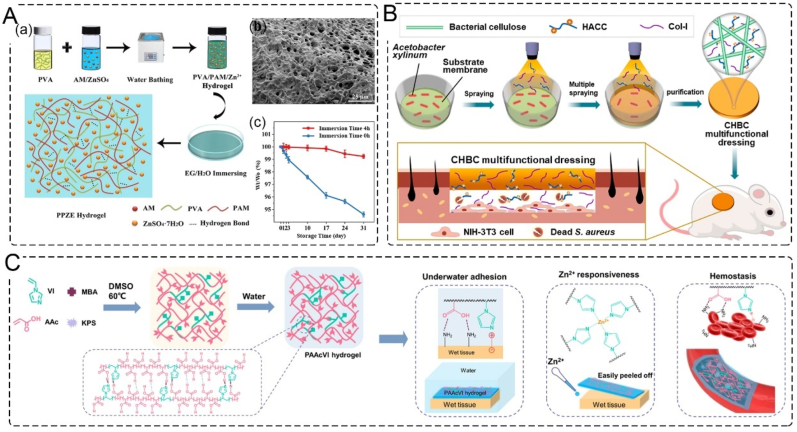
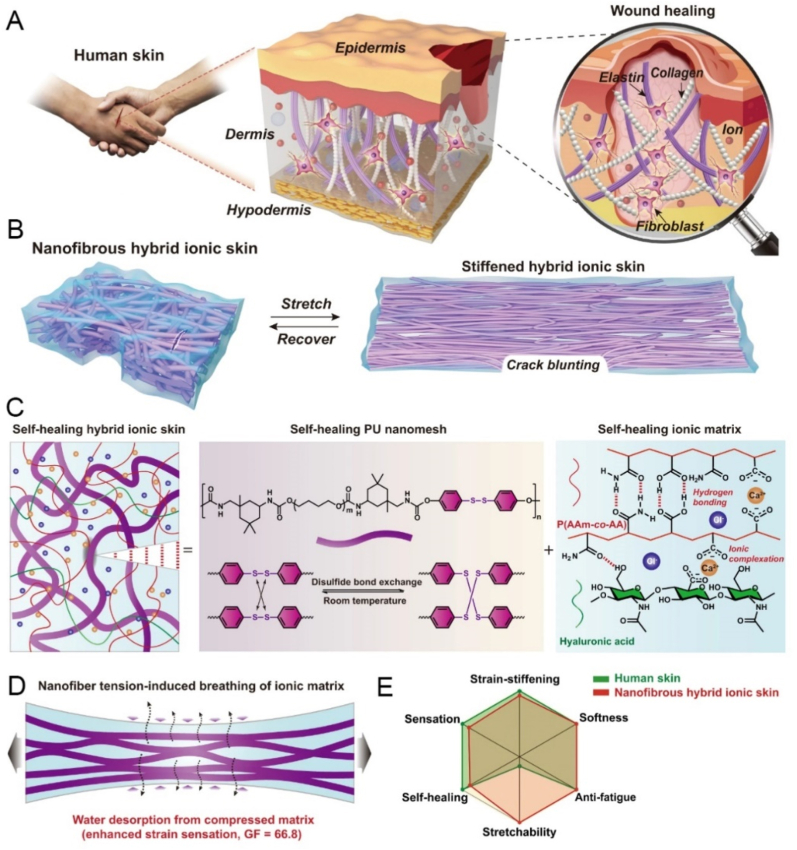
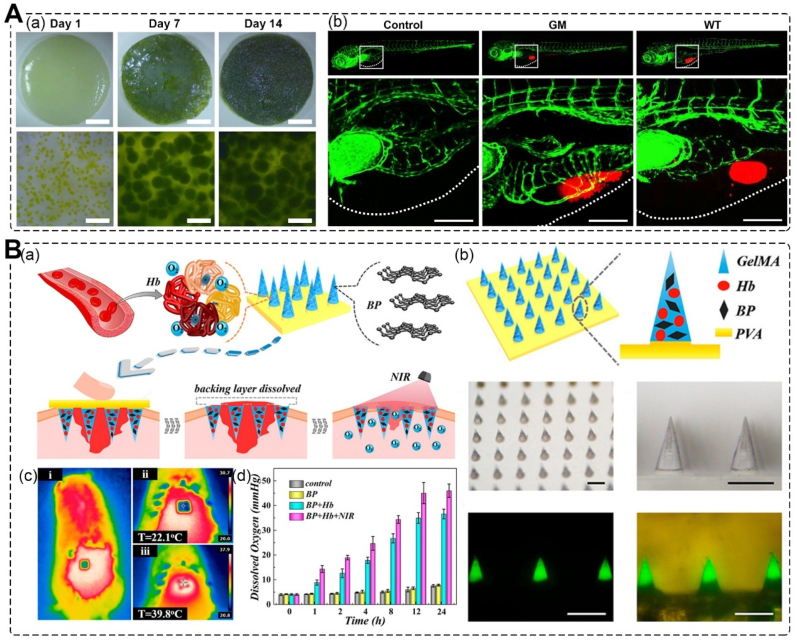
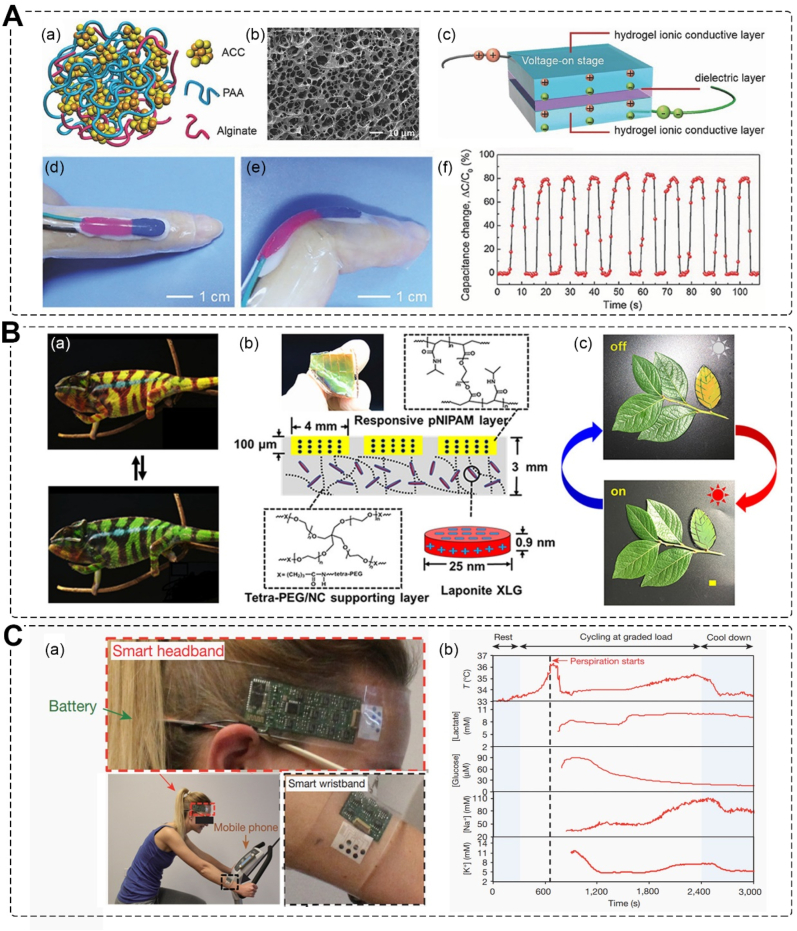
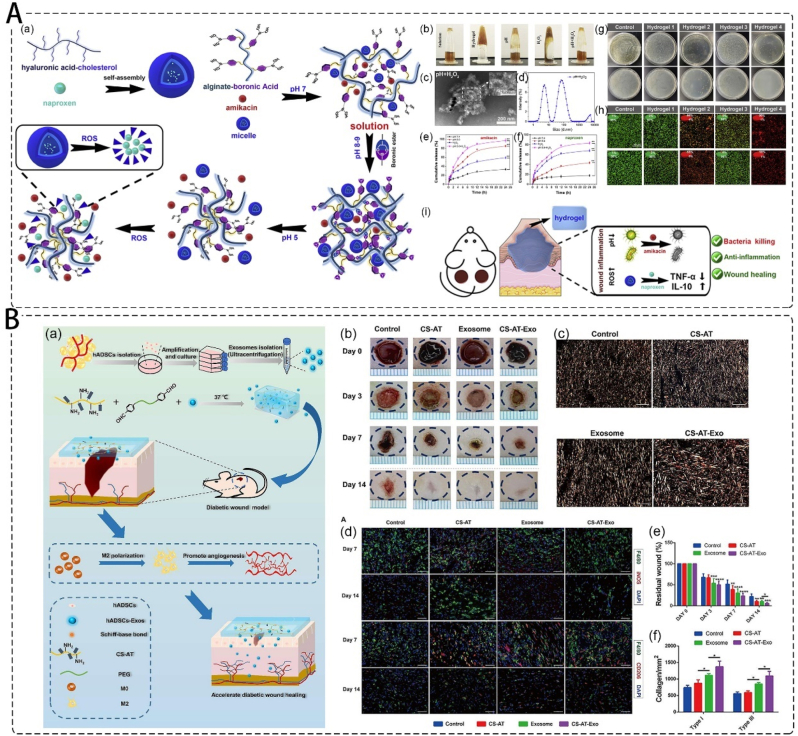
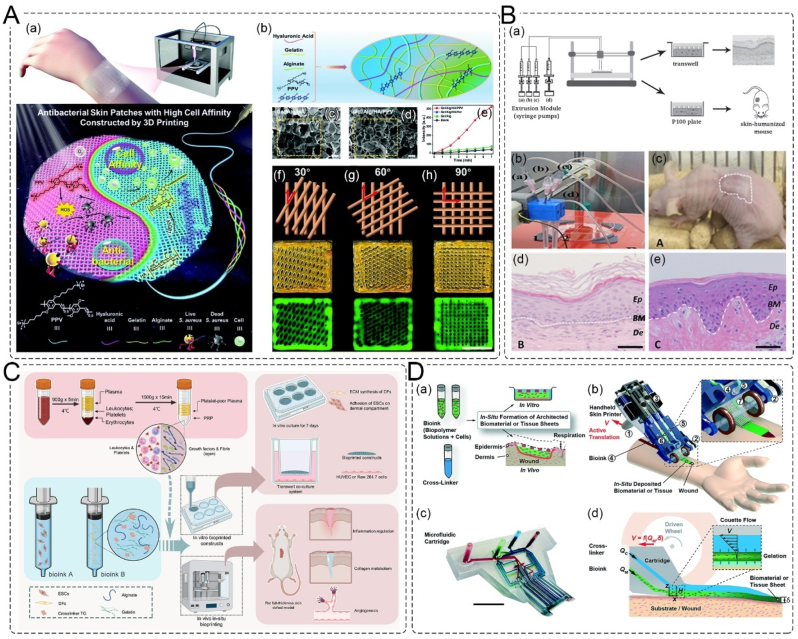
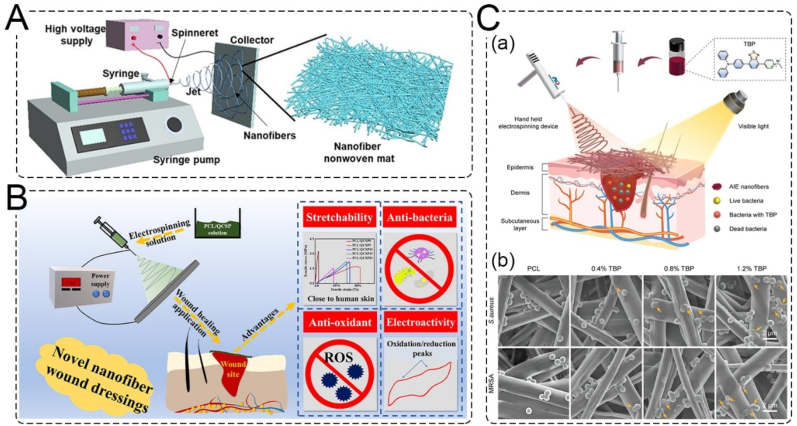
The development of skin substitutes aims to replace, mimic, or improve the functions of human skin, regenerate damaged skin tissue, and replace or enhance skin function. This includes artificial skin, scaffolds or devices designed for treatment, imitation, or improvement of skin function in wounds and injuries. Therefore, tremendous efforts have been made to develop functional skin substitutes. However, there is still few reports systematically discuss the relationship between the advanced function and design requirements. In this paper, we review the classification, functions, and design requirements of artificial skin or skin substitutes. Different manufacturing strategies for skin substitutes such as hydrogels, 3D/4D printing, electrospinning, microfluidics are summarized. This review also introduces currently available skin substitutes in clinical trials and on the market and the related regulatory requirements. Finally, the prospects and challenges of skin substitutes in the field of tissue engineering are discussed.
皮肤替代物的发展旨在替代、模仿或改善人类皮肤的功能,再生受损的皮肤组织,并替代或增强皮肤功能。这包括为治疗、模仿或改善伤口和损伤中的皮肤功能而设计的人造皮肤、支架或装置。因此,人们在开发功能性皮肤替代物方面付出了巨大努力。然而,仍很少有报告系统地讨论其先进功能与设计要求之间的关系。在本文中,我们综述了人造皮肤或皮肤替代物的分类、功能和设计要求。总结了皮肤替代物的不同制造策略,如水凝胶、3D/4D打印、静电纺丝、微流控技术。本综述还介绍了目前正在进行临床试验和已上市的皮肤替代物以及相关的监管要求。最后,讨论了皮肤替代物在组织工程领域的前景和挑战。