Wang Qiong, Cheng Bisheng, Singh Sandeep, Tao Yiran, Xie Zhongqiu, Qin Fujun, Shi Xinrui, Xu Jingjing, Hu Chenxi, Tan Wanlong, Li Hui, Huang Hai
Department of Urology, Nanfang Hospital, Southern Medical University, Guangzhou, 510515, China.
Department of Pathology, School of Medicine, University of Virginia, Charlottesville, VA 22908, USA.
NPJ Precis Oncol. 2024 Jan 16;8(1):11. doi: 10.1038/s41698-024-00503-2.
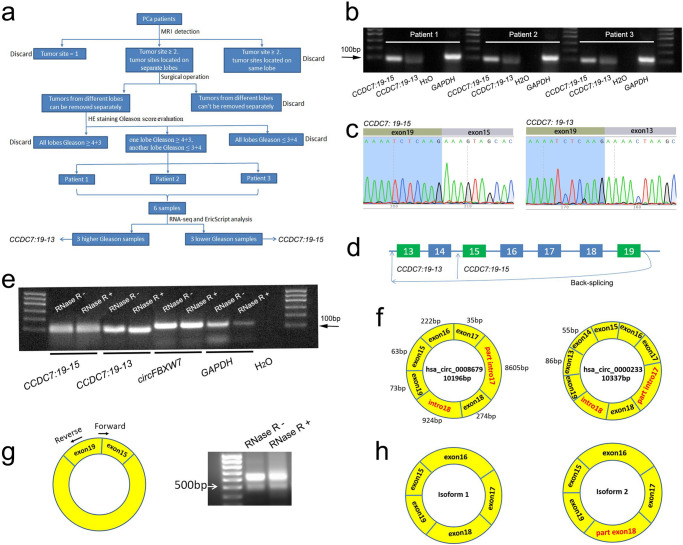
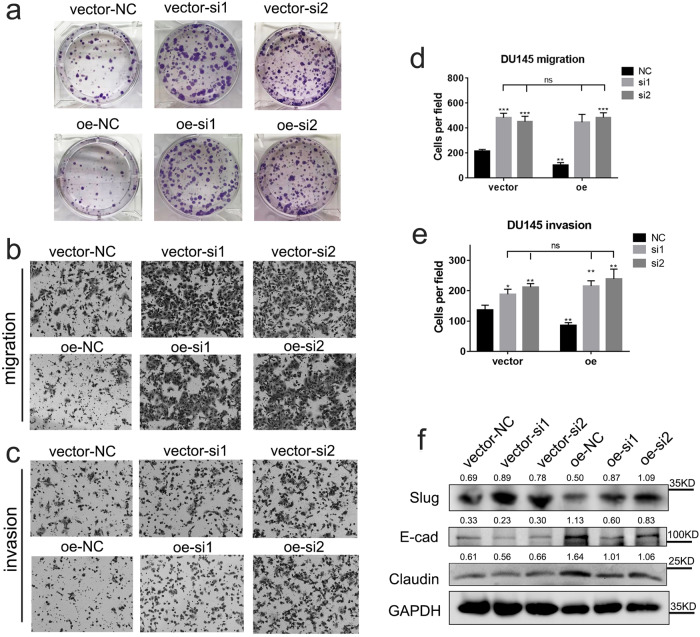
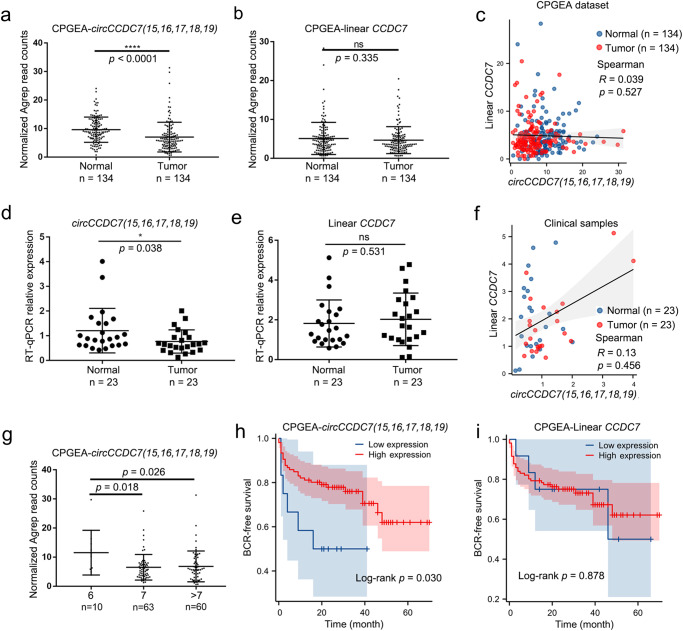
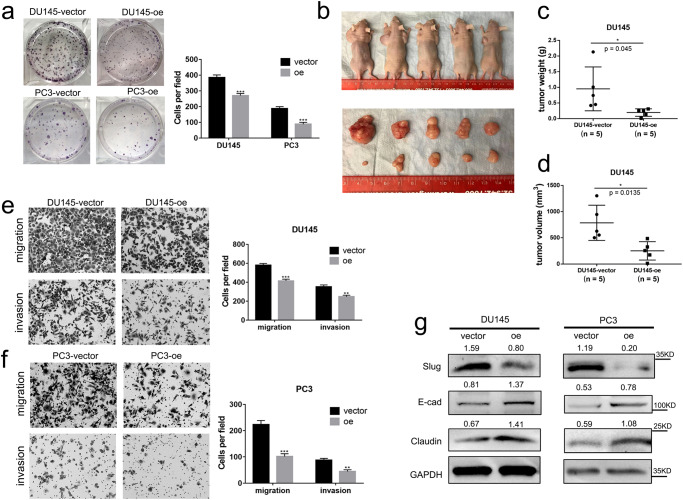
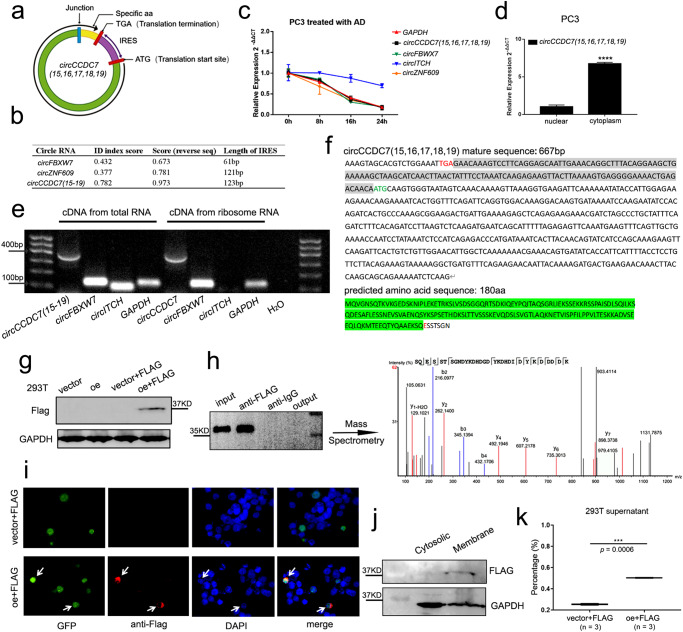
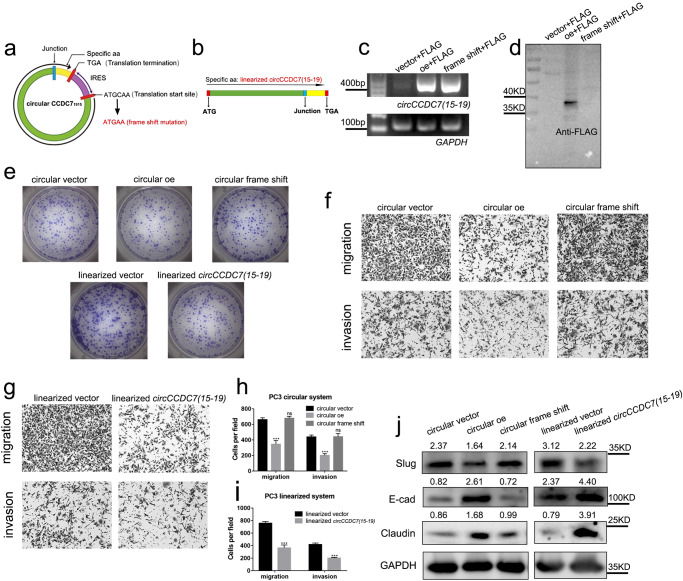
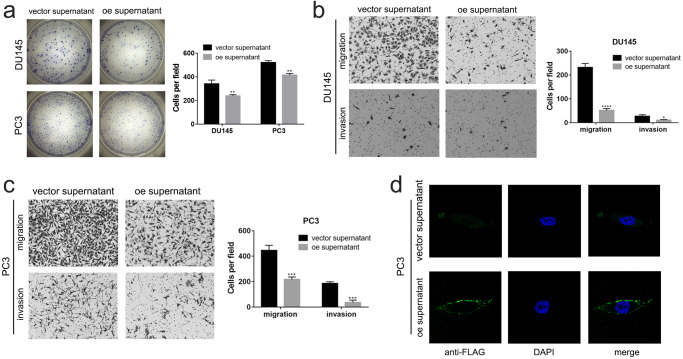
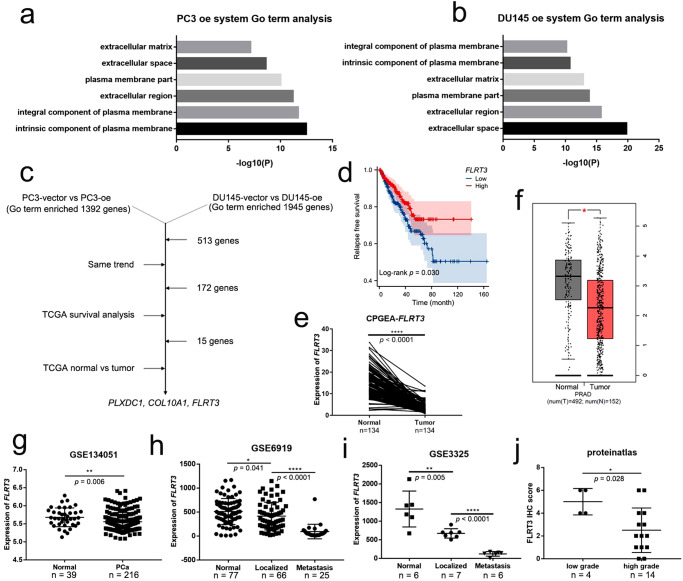
Circular RNAs (circRNAs) are a family of endogenous RNAs that have become a focus of biological research in recent years. Emerging evidence has revealed that circRNAs exert biological functions by acting as transcriptional regulators, microRNA sponges, and binding partners with RNA-binding proteins. However, few studies have identified coding circRNAs, which may lead to a hidden repertoire of proteins. In this study, we unexpectedly discovered a protein-encoding circular RNA circCCDC7(15,16,17,18,19) while we were searching for prostate cancer related chimeric RNAs. circCCDC7(15,16,17,18,19) is derived from exon 19 back spliced to exon 15 of the CCDC7 gene. It is significantly downregulated in patients with high Gleason score. Prostate cancer patients with decreased circCCDC7(15,16,17,18,19) expression have a worse prognosis, while linear CCDC7 had no such association. Overexpressed circCCDC7(15,16,17,18,19) inhibited prostate cancer cell migration, invasion, and viability, supporting classification of circCCDC7(15,16,17,18,19) as a bona fide tumor suppressor gene. We provide evidence that its tumor suppressive activity is driven by the protein it encodes, and that circCCDC7(15,16,17,18,19) encodes a secretory protein. Consistently, conditioned media from circCCDC7(15,16,17,18,19) overexpressing cells has the same tumor suppressive activity. We further demonstrate that the tumor suppressive activity of circCCDC7(15,16,17,18,19) is at least partially mediated by FLRT3, whose expression also negatively correlates with Gleason score and clinical prognosis. In conclusion, circCCDC7(15,16,17,18,19) functions as a tumor suppressor in prostate cancer cells through the circCCDC7-180aa secretory protein it encodes, and is a promising therapeutic peptide for prostate cancer.
环状RNA(circRNAs)是一类内源性RNA,近年来已成为生物学研究的焦点。新出现的证据表明,circRNAs通过作为转录调节因子、微小RNA海绵以及与RNA结合蛋白的结合伴侣来发挥生物学功能。然而,很少有研究鉴定出编码circRNAs,这可能导致隐藏的蛋白质库。在本研究中,我们在寻找前列腺癌相关嵌合RNA时意外发现了一种编码蛋白质的环状RNA circCCDC7(15,16,17,18,19)。circCCDC7(15,16,17,18,19)来源于CCDC7基因第19外显子反向剪接到第15外显子。在高Gleason评分患者中它显著下调。circCCDC7(15,16,17,18,19)表达降低的前列腺癌患者预后较差,而线性CCDC7则无此关联。过表达的circCCDC7(15,16,17,18,19)抑制前列腺癌细胞的迁移、侵袭和活力,支持将circCCDC7(15,16,17,18,19)归类为真正的肿瘤抑制基因。我们提供证据表明其肿瘤抑制活性由其编码的蛋白质驱动,并且circCCDC7(15,16,17,18,19)编码一种分泌蛋白。一致地,来自过表达circCCDC7(15,16,17,18,19)细胞的条件培养基具有相同的肿瘤抑制活性。我们进一步证明circCCDC7(15,16,17,18,19)的肿瘤抑制活性至少部分由FLRT3介导,其表达也与Gleason评分和临床预后呈负相关。总之,circCCDC7(15,16,17,18,19)通过其编码的circCCDC7-180aa分泌蛋白在前列腺癌细胞中发挥肿瘤抑制作用,是一种有前景的前列腺癌治疗肽。