Elsheikh Alguili, Bhatnagar Malvika, Rahman Najib M
Oxford Centre for Respiratory Medicine, Oxford University Hospitals NHS Foundation Trust, Oxford, UK.
Oxford Respiratory Trials Unit, University of Oxford, Oxford, UK.
Breathe (Sheff). 2023 Dec;19(4):230146. doi: 10.1183/20734735.0146-2023. Epub 2024 Jan 16.
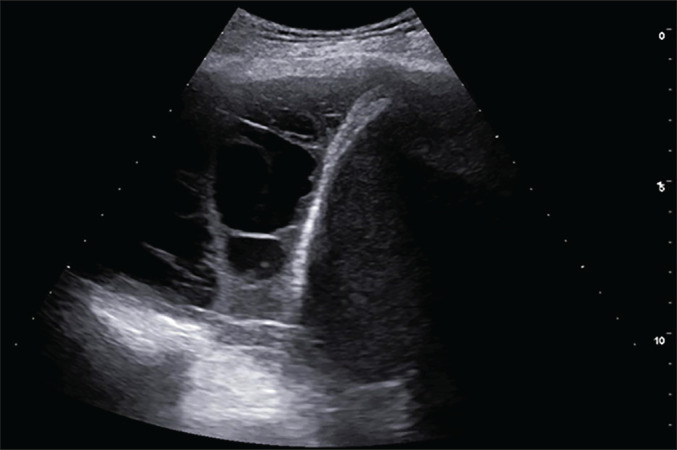
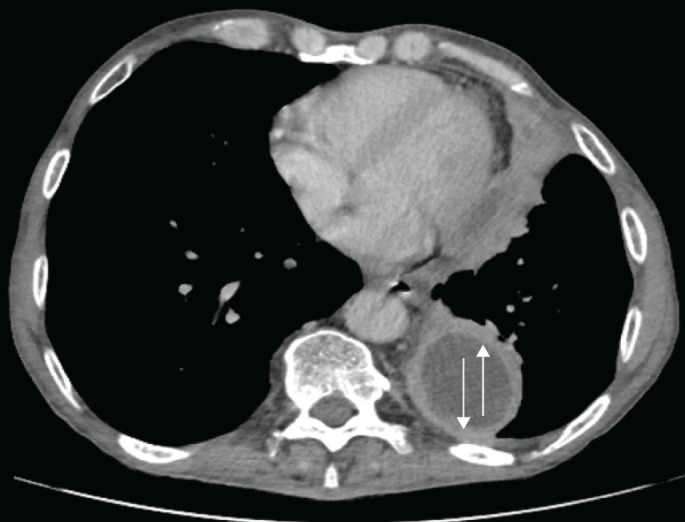
Pleural infection remains a medical challenge. Although closed tube drainage revolutionised treatment in the 19th century, pleural infection still poses a significant health burden with increasing incidence. Diagnosis presents challenges due to non-specific clinical presenting features. Imaging techniques such as chest radiographs, thoracic ultrasound and computed tomography scans aid diagnosis. Pleural fluid analysis, the gold standard, involves assessing gross appearance, biochemical markers and microbiology. Novel biomarkers such as suPAR (soluble urokinase plasminogen activator receptor) and PAI-1 (plasminogen activator inhibitor-1) show promise in diagnosis and prognosis, and microbiology demonstrates complex microbial diversity and is associated with outcomes. The management of pleural infection involves antibiotic therapy, chest drain insertion, intrapleural fibrinolytic therapy and surgery. Antibiotic therapy relies on empirical broad-spectrum antibiotics based on local policies, infection setting and resistance patterns. Chest drain insertion is the mainstay of management, and use of intrapleural fibrinolytics facilitates effective drainage. Surgical interventions such as video-assisted thoracoscopic surgery and decortication are considered in cases not responding to medical therapy. Risk stratification tools such as the RAPID (renal, age, purulence, infection source and dietary factors) score may help guide tailored management. The roles of other modalities such as local anaesthetic medical thoracoscopy and intrapleural antibiotics are debated. Ongoing research aims to improve outcomes by matching interventions with risk profile and to better understand the development of disease.
胸膜感染仍然是一个医学难题。尽管闭式引流在19世纪彻底改变了治疗方式,但随着发病率的上升,胸膜感染仍然带来了重大的健康负担。由于临床症状不具特异性,诊断存在挑战。胸部X光、胸腔超声和计算机断层扫描等成像技术有助于诊断。作为金标准的胸腔积液分析包括评估外观、生化标志物和微生物学。诸如可溶性尿激酶型纤溶酶原激活物受体(suPAR)和纤溶酶原激活物抑制剂-1(PAI-1)等新型生物标志物在诊断和预后方面显示出前景,微生物学显示出复杂的微生物多样性且与预后相关。胸膜感染的管理包括抗生素治疗、胸腔引流管置入、胸腔内纤维蛋白溶解疗法和手术。抗生素治疗依赖于根据当地政策、感染情况和耐药模式使用经验性广谱抗生素。胸腔引流管置入是主要的治疗手段,使用胸腔内纤维蛋白溶解剂有助于有效引流。对于药物治疗无反应的病例,可考虑电视辅助胸腔镜手术和胸膜剥脱术等外科干预措施。诸如RAPID(肾功能、年龄、脓性、感染源和饮食因素)评分等风险分层工具可能有助于指导个性化管理。局部麻醉下内科胸腔镜检查和胸腔内使用抗生素等其他方式的作用存在争议。正在进行的研究旨在通过使干预措施与风险状况相匹配来改善预后,并更好地了解疾病的发展。