Sarangi Pradosh Kumar, Lumbani Amrita, Swarup M Sarthak, Panda Suvankar, Sahoo Smruti Snigdha, Hui Pratisruti, Choudhary Anish, Mohakud Sudipta, Patel Ranjan Kumar, Mondal Himel
Radiodiagnosis, All India Institute of Medical Sciences, Deoghar, Deoghar, IND.
Physiology, Mayo Institute of Medical Sciences, Barabanki, IND.
Cureus. 2023 Dec 21;15(12):e50881. doi: 10.7759/cureus.50881. eCollection 2023 Dec.
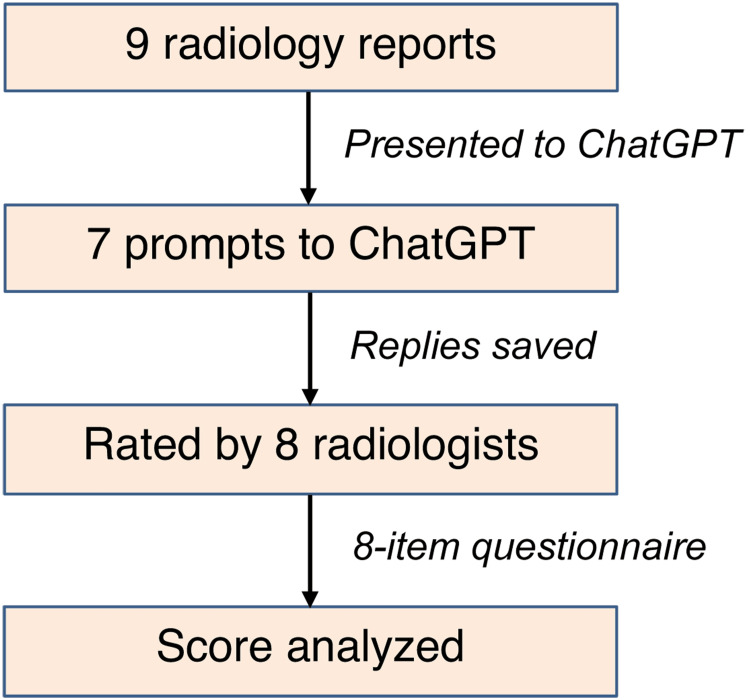
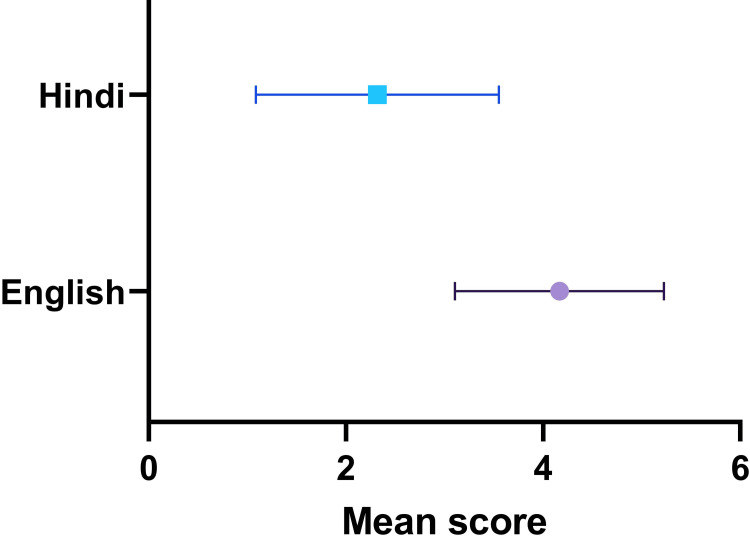
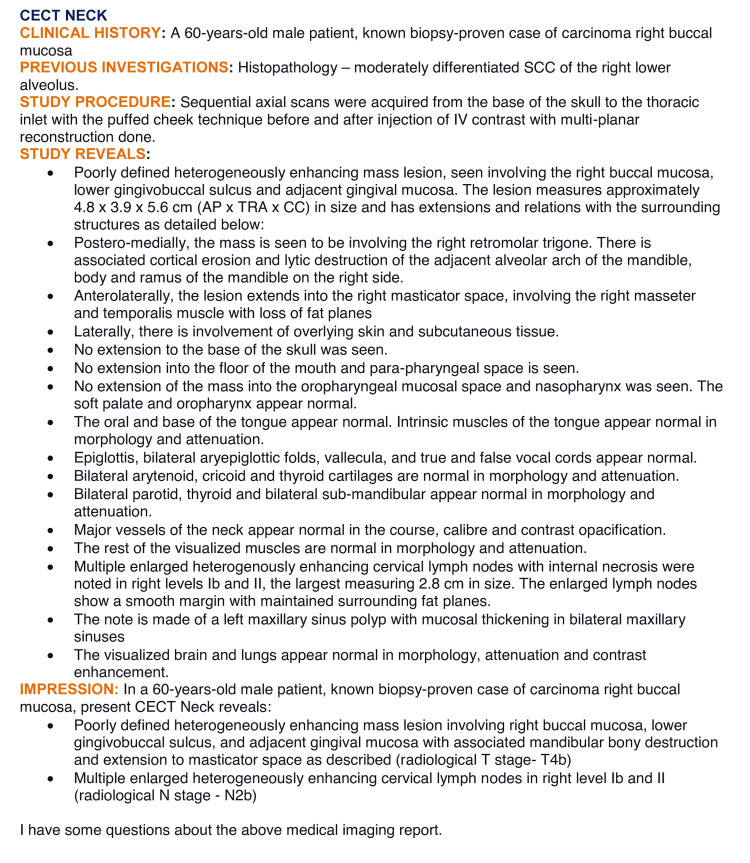
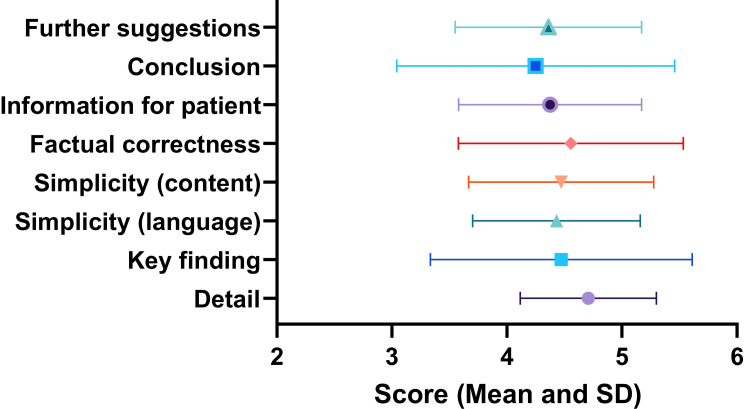
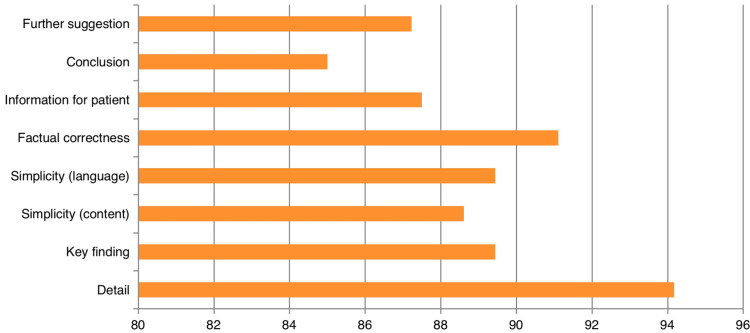
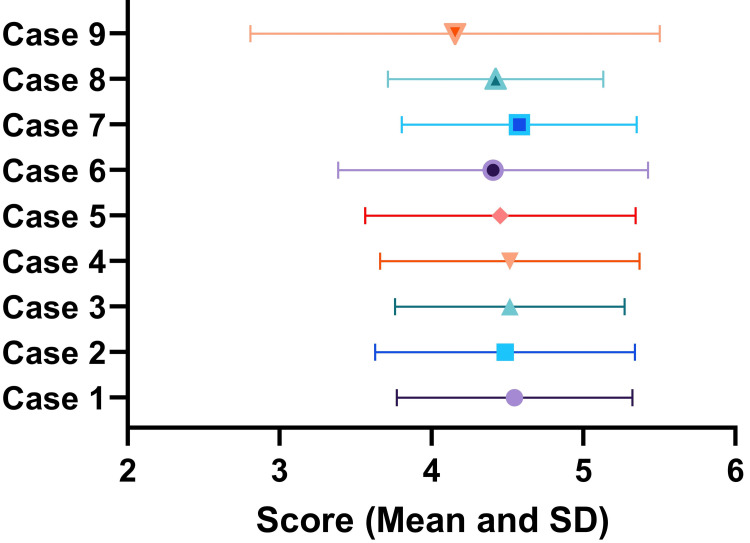
Background Clear communication of radiological findings is crucial for effective healthcare decision-making. However, radiological reports are often complex with technical terminology, making them challenging for non-radiology healthcare professionals and patients to comprehend. Large language models like ChatGPT (Chat Generative Pre-trained Transformer, by OpenAI, San Francisco, CA) offer a potential solution by translating intricate reports into simplified language. This study aimed to assess the capability of ChatGPT-3.5 in simplifying radiological reports to facilitate improved understanding by healthcare professionals and patients. Materials and methods Nine radiological reports were taken for this study spanning various imaging modalities and medical conditions. These reports were used to ask ChatGPT a set of seven questions (describe the procedure, mention the key findings, express in a simple language, suggestions for further investigation, need of further investigation, grammatical or typing errors, and translation into Hindi). A total of eight radiologists rated the generated content in detailing, summarizing, simplifying content and language, factual correctness, further investigation, grammatical errors, and translation to Hindi. Results The highest score was obtained for detailing the report (94.17% accuracy) and the lowest score was for drawing conclusions for the patient (85% accuracy); case-wise scores were similar (p-value = 0.97). The Hindi translation by ChatGPT was not suitable for patient communication. Conclusion The current free version of ChatGPT-3.5 was able to simplify radiological reports effectively, removing technical jargon while preserving essential diagnostic information. The free version adeptly simplifies radiological reports, enhancing accessibility for healthcare professionals and patients. Hence, it has the potential to enhance medical communication, facilitating informed decision-making by healthcare professionals and patients.
背景
放射学检查结果的清晰沟通对于有效的医疗决策至关重要。然而,放射学报告往往包含复杂的技术术语,这使得非放射科医疗专业人员和患者难以理解。像ChatGPT(由位于加利福尼亚州旧金山的OpenAI公司开发的聊天生成预训练变换器)这样的大型语言模型提供了一种潜在的解决方案,即将复杂的报告翻译成简单的语言。本研究旨在评估ChatGPT-3.5简化放射学报告以促进医疗专业人员和患者更好理解的能力。
材料和方法
本研究选取了九份放射学报告,涵盖各种成像方式和医疗状况。这些报告用于向ChatGPT提出一组七个问题(描述检查过程、提及关键发现、用简单语言表达、进一步检查的建议、是否需要进一步检查、语法或打字错误以及翻译成印地语)。共有八位放射科医生对生成的内容在详细描述、总结、内容和语言简化、事实准确性、进一步检查、语法错误以及翻译成印地语等方面进行评分。
结果
在详细描述报告方面得分最高(准确率为94.17%),而为患者得出结论方面得分最低(准确率为85%);按病例得分相似(p值 = 0.97)。ChatGPT的印地语翻译不适合用于与患者沟通。
结论
当前的ChatGPT-3.5免费版本能够有效地简化放射学报告,去除技术行话,同时保留基本的诊断信息。该免费版本能熟练简化放射学报告,提高医疗专业人员和患者的可及性。因此,它有潜力加强医疗沟通,促进医疗专业人员和患者做出明智的决策。