Xu Xin, Zhang Yue, Liao Chenlong, Zhou Han, Wu Yiwei, Zhang Wenchuan
Department of Neurosurgery, Shanghai Ninth People's Hospital, School of Medicine, Shanghai Jiao Tong University, Shanghai, China.
Front Cell Neurosci. 2024 Jan 10;17:1294029. doi: 10.3389/fncel.2023.1294029. eCollection 2023.
To explore the effect impact of ferroptosis on macrophage polarization and patient prognosis in glioblastoma.
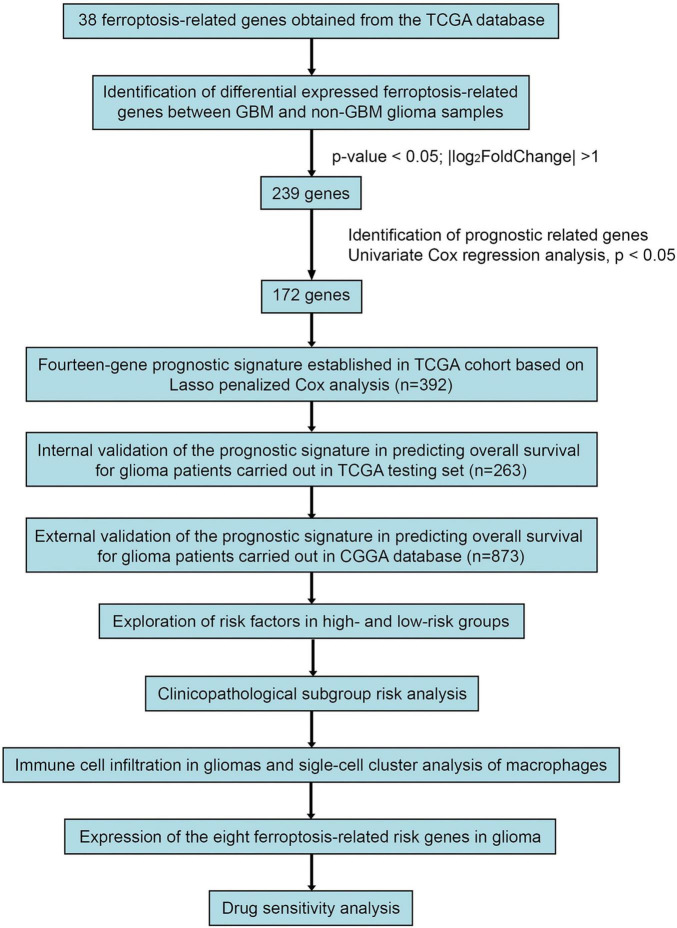
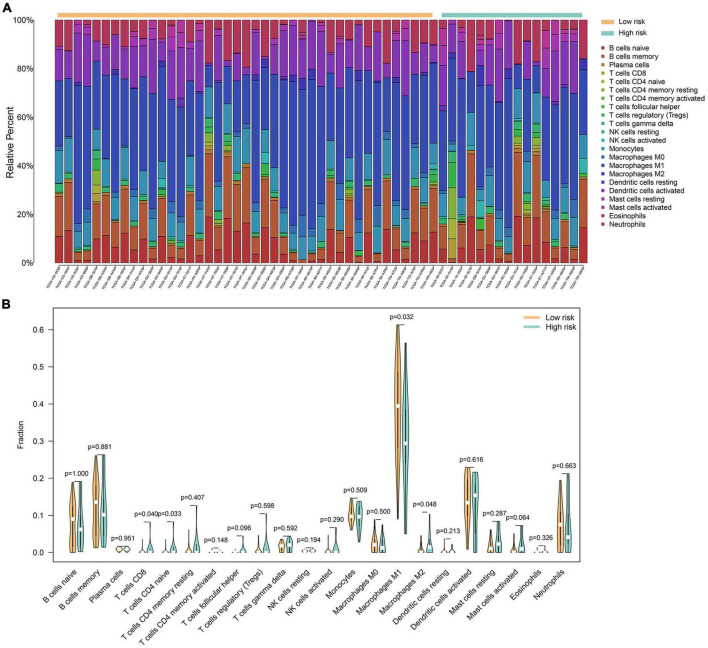
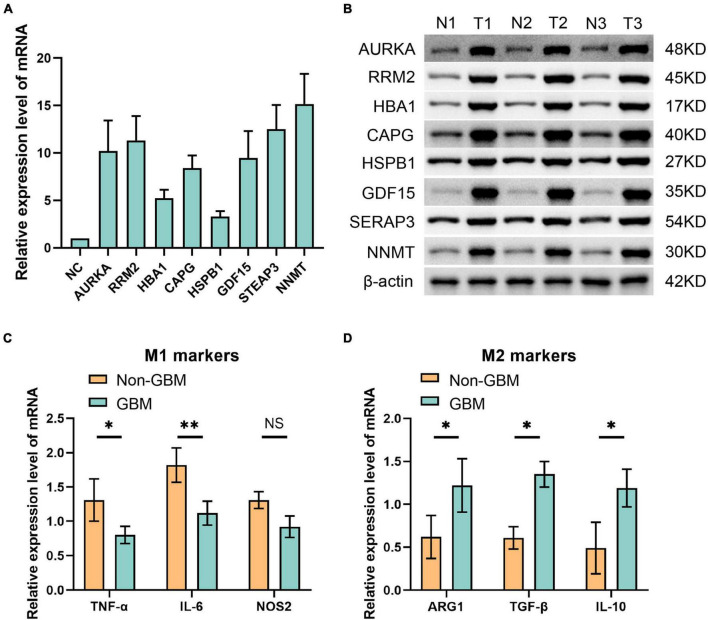
We screened ferroptosis-related risk from the public datasets of primary and recurrent glioblastoma, combined with reported ferroptosis genes, calculated the risk genes among the ferroptosis-related genes using the LASSO Cox regression model, and investigated the relationship between these ferroptosis-related risk genes in the tumor and the spectrum of infiltrating M1/M2 macrophages. Macrophages were analyzed using the CIBERSORTx deconvolution algorithm. Samples from The Cancer Genome Atlas (TCGA), Chinese Glioma Genome Atlas (CGGA) and a single-cell RNA sequencing dataset (GSE84465) were included. The expression levels of ferroptosis-related risk genes and molecular markers of M1 and M2 macrophages were detected by qPCR and western blot.
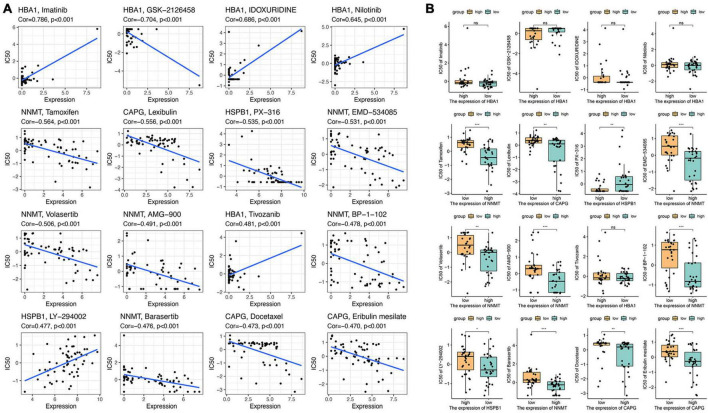
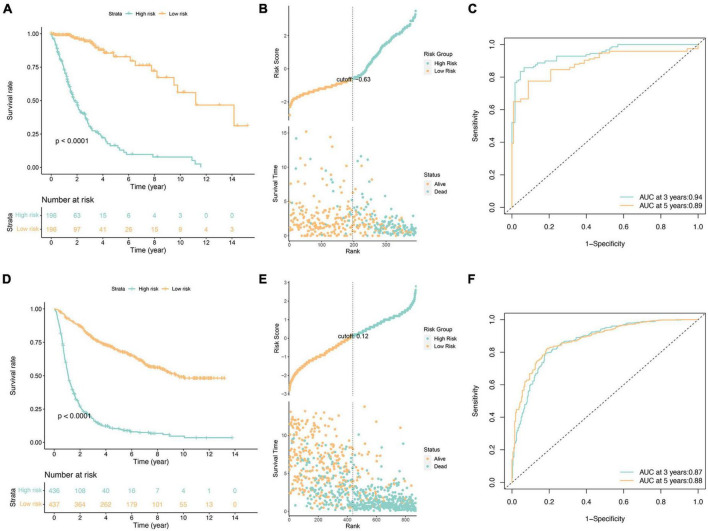
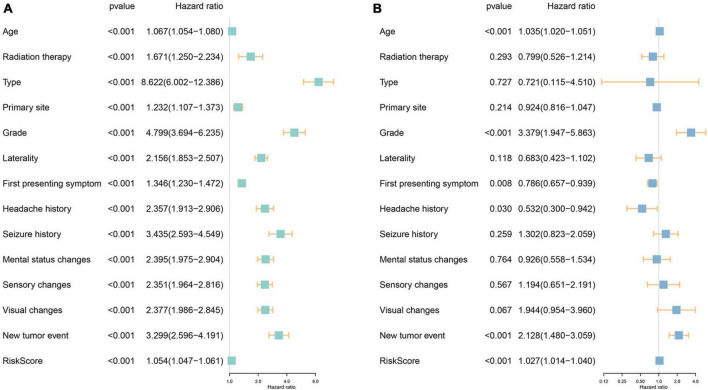
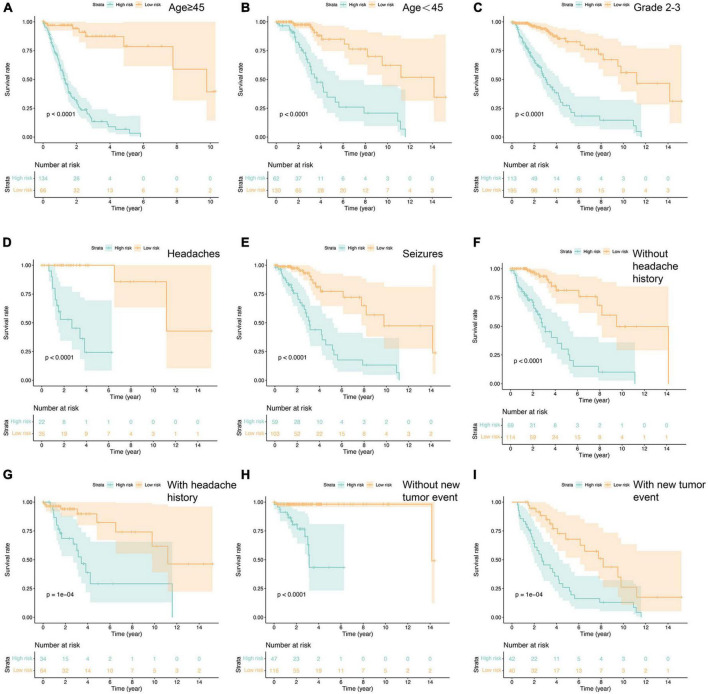
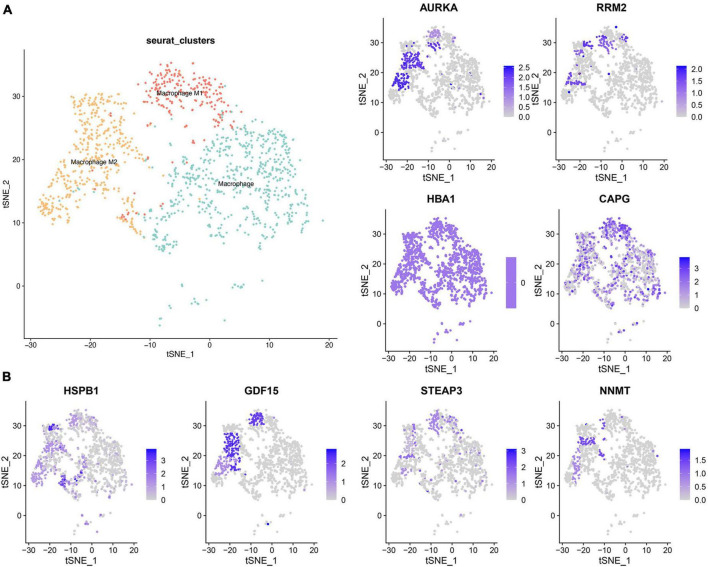
A total of fourteen ferroptosis-related risk genes were obtained and the patients' risk scores were calculated. Compared with patients in the low-risk group, patients in the high-risk group had worse prognosis. The M1/M2 macrophage ratio and risk score were negatively correlated, indicating that the tumor microenvironment of glioblastoma in the high-risk group contained more M2 than M1 macrophages. In the single-cell RNA sequencing dataset, the risk score of ferroptosis-related genes in tumor cells was positively correlated with the proportion of high M2 macrophages. The expression of eight ferroptosis-related risk genes was increased in glioblastoma cell, which promoted the polarization of M1 macrophages to M2.
We investigated the fourteen ferroptosis-related risk genes in glioblastoma for the first time, and clarified the impact of ferroptosis-related risk genes on M1/M2 macrophage polarization and patient prognosis.
探讨铁死亡对胶质母细胞瘤中巨噬细胞极化及患者预后的影响。
我们从原发性和复发性胶质母细胞瘤的公共数据集中筛选铁死亡相关风险,结合已报道的铁死亡基因,使用LASSO Cox回归模型计算铁死亡相关基因中的风险基因,并研究肿瘤中这些铁死亡相关风险基因与浸润性M1/M2巨噬细胞谱之间的关系。使用CIBERSORTx反卷积算法分析巨噬细胞。纳入了来自癌症基因组图谱(TCGA)、中国胶质瘤基因组图谱(CGGA)和单细胞RNA测序数据集(GSE84465)的样本。通过qPCR和蛋白质印迹法检测铁死亡相关风险基因的表达水平以及M1和M2巨噬细胞的分子标志物。
共获得14个铁死亡相关风险基因并计算了患者的风险评分。与低风险组患者相比,高风险组患者的预后更差。M1/M2巨噬细胞比率与风险评分呈负相关,表明高风险组胶质母细胞瘤的肿瘤微环境中M2巨噬细胞比M1巨噬细胞更多。在单细胞RNA测序数据集中,肿瘤细胞中铁死亡相关基因的风险评分与高M2巨噬细胞的比例呈正相关。胶质母细胞瘤细胞中8个铁死亡相关风险基因的表达增加,促进了M1巨噬细胞向M2巨噬细胞的极化。
我们首次在胶质母细胞瘤中研究了14个铁死亡相关风险基因,并阐明了铁死亡相关风险基因对M1/M2巨噬细胞极化及患者预后的影响。