Liu Shaokun, Wang Ru, Fang Jugao
Department of Otorhinolaryngology Head and Neck Surgery, Beijing Tongren Hospital, Capital Medical University, Beijing, China.
Discov Oncol. 2024 Jan 31;15(1):22. doi: 10.1007/s12672-024-00870-z.
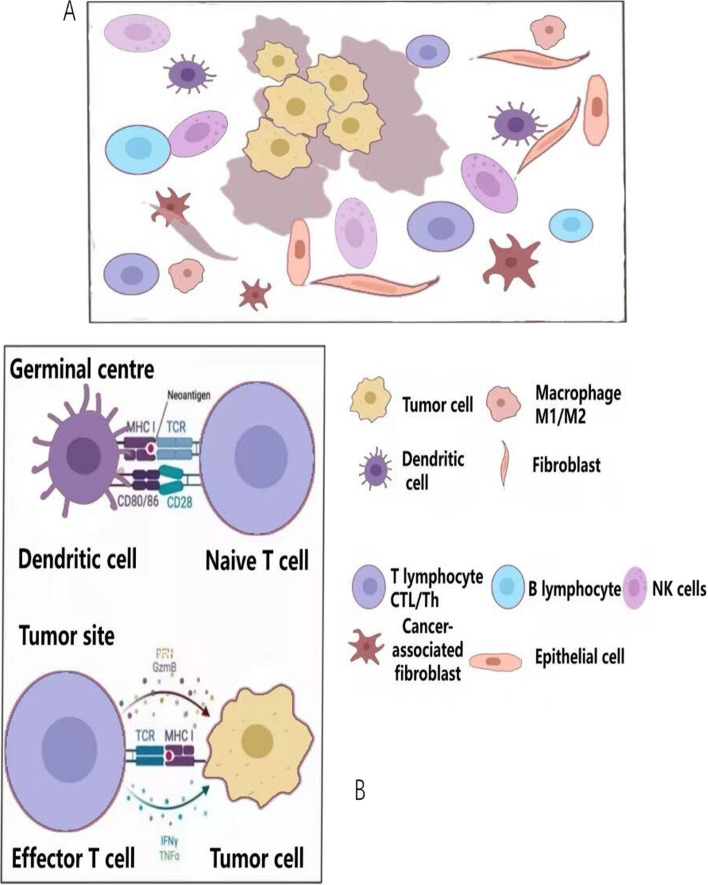
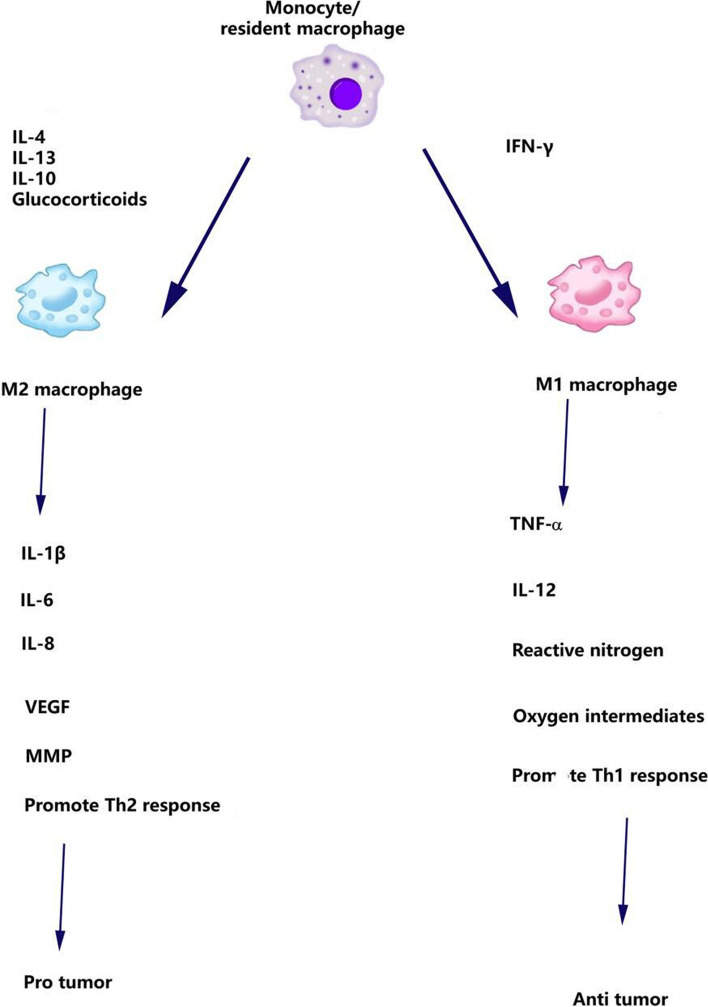
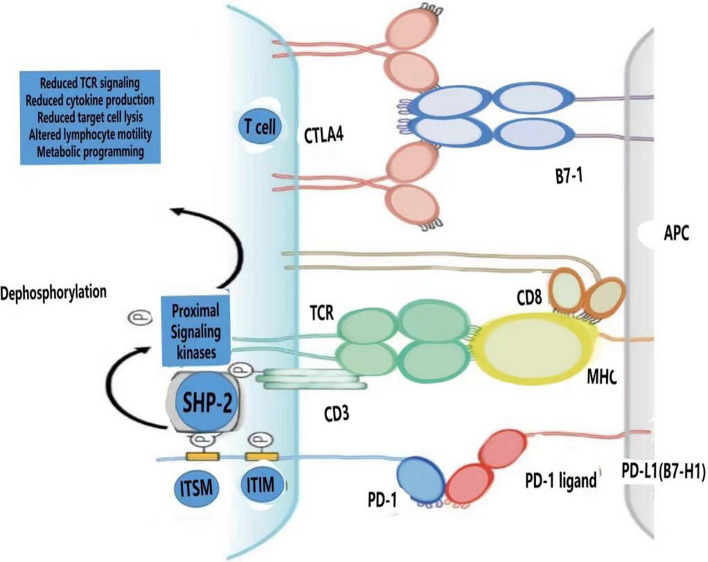
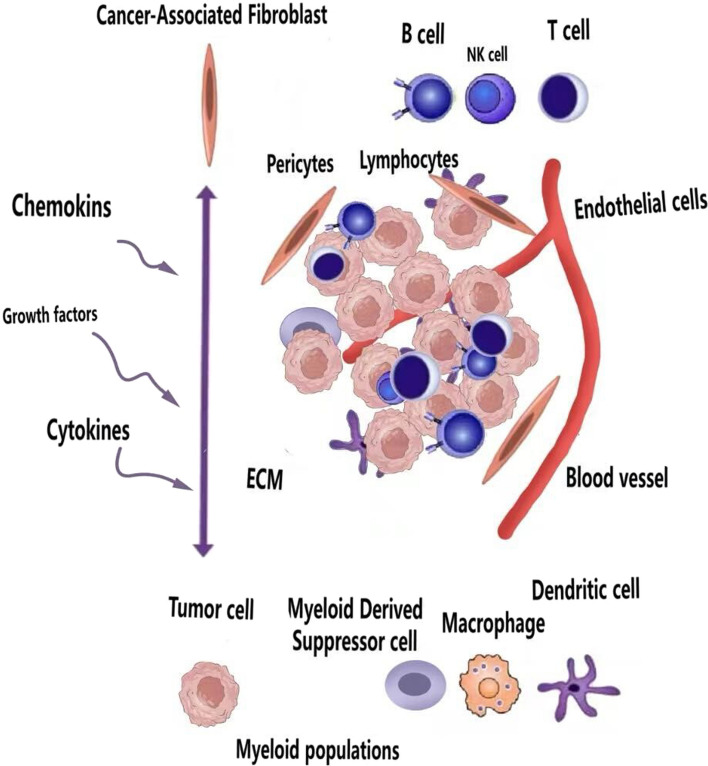
The global prevalence of head and neck malignancies positions them as the sixth most common form of cancer, with the head and neck squamous cell carcinoma (HNSCC) representing the predominant histological subtype. Despite advancements in multidisciplinary approaches and molecular targeted therapies, the therapeutic outcomes for HNSCC have only marginally improved, particularly in cases of recurrent or metastatic HNSCC (R/MHNSCC). This situation underscores the critical necessity for the development of innovative therapeutic strategies. Such strategies are essential not only to enhance the efficacy of HNSCC treatment but also to minimize the incidence of associated complications, thus improving overall patient prognosis. Cancer immunotherapy represents a cutting-edge cancer treatment that leverages the immune system for targeting and destroying cancer cells. It's applied to multiple cancers, including melanoma and lung cancer, offering precision, adaptability, and the potential for long-lasting remission through immune memory. It is observed that while HNSCC patients responsive to immunotherapy often experience prolonged therapeutic benefits, only a limited subset demonstrates such responsiveness. Additionally, significant clinical challenges remain, including the development of resistance to immunotherapy. The biological characteristics, dynamic inhibitory changes, and heterogeneity of the tumor microenvironment (TME) in HNSCC play critical roles in its pathogenesis, immune evasion, and therapeutic resistance. This review aims to elucidate the functions and mechanisms of anti-tumor immune cells and extracellular components within the HNSCC TME. It also introduces several immunosuppressive agents commonly utilized in HNSCC immunotherapy, examines factors influencing the effectiveness of these treatments, and provides a comprehensive summary of immunotherapeutic strategies relevant to HNSCC.
头颈部恶性肿瘤的全球患病率使其成为第六大常见癌症形式,其中头颈部鳞状细胞癌(HNSCC)是主要的组织学亚型。尽管多学科方法和分子靶向治疗取得了进展,但HNSCC的治疗效果仅略有改善,尤其是在复发性或转移性HNSCC(R/MHNSCC)病例中。这种情况凸显了开发创新治疗策略的迫切必要性。这些策略不仅对于提高HNSCC治疗效果至关重要,而且对于将相关并发症的发生率降至最低、从而改善患者总体预后也至关重要。癌症免疫疗法是一种前沿的癌症治疗方法,它利用免疫系统来靶向和摧毁癌细胞。它已应用于多种癌症,包括黑色素瘤和肺癌,具有精准性、适应性,并通过免疫记忆实现长期缓解的潜力。据观察,虽然对免疫疗法有反应的HNSCC患者通常会获得长期治疗益处,但只有有限的一部分患者表现出这种反应性。此外,重大的临床挑战依然存在,包括对免疫疗法产生耐药性。HNSCC中肿瘤微环境(TME)的生物学特性、动态抑制变化和异质性在其发病机制、免疫逃逸和治疗耐药性中起着关键作用。本综述旨在阐明HNSCC TME内抗肿瘤免疫细胞和细胞外成分的功能及机制。还介绍了HNSCC免疫疗法中常用的几种免疫抑制剂,研究影响这些治疗效果的因素,并全面总结与HNSCC相关的免疫治疗策略。