School of Stomatology, Southwest Medical University, Sichuang, Luzhou, China.
The Second People's Hospital of Yibin, Yibin, Sichuang, China.
BMC Oral Health. 2024 Jan 31;24(1):147. doi: 10.1186/s12903-023-03824-z.
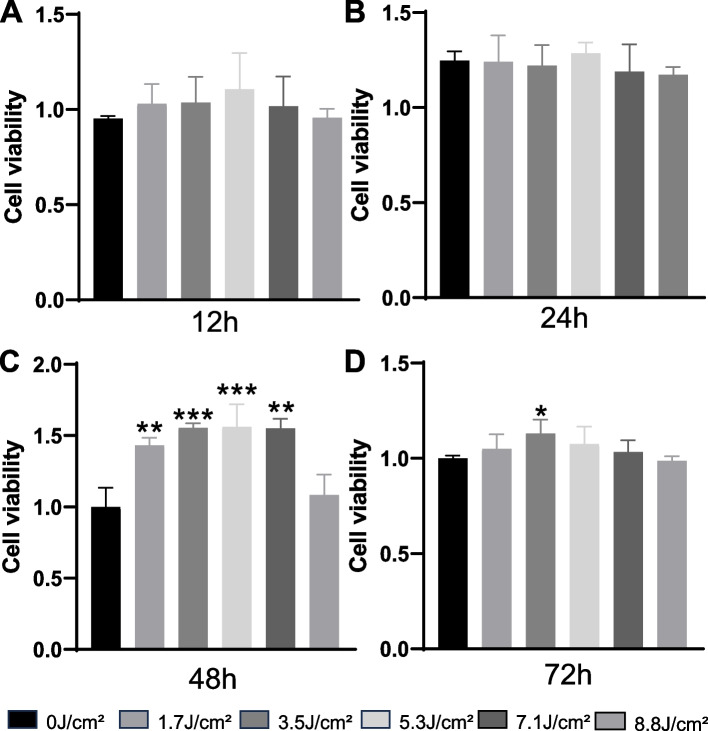
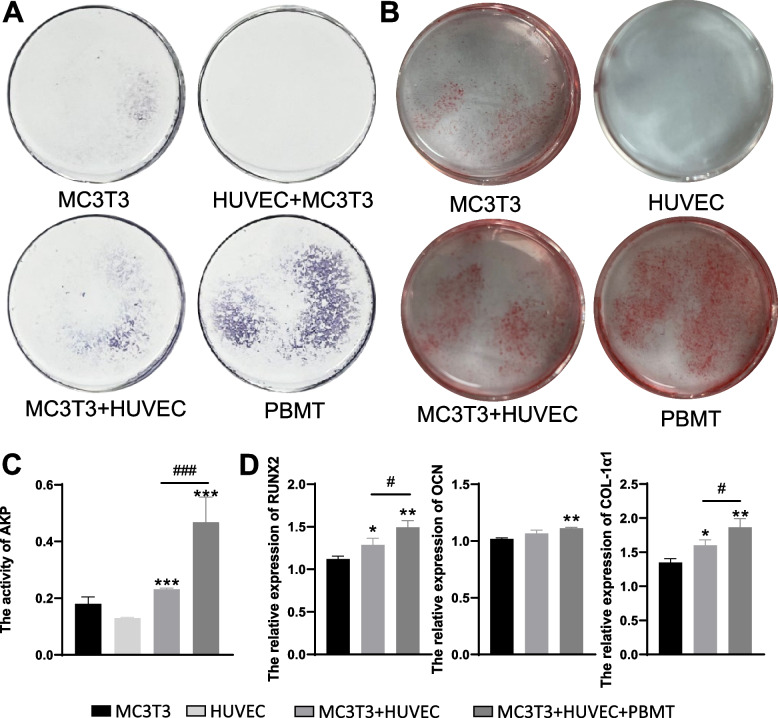
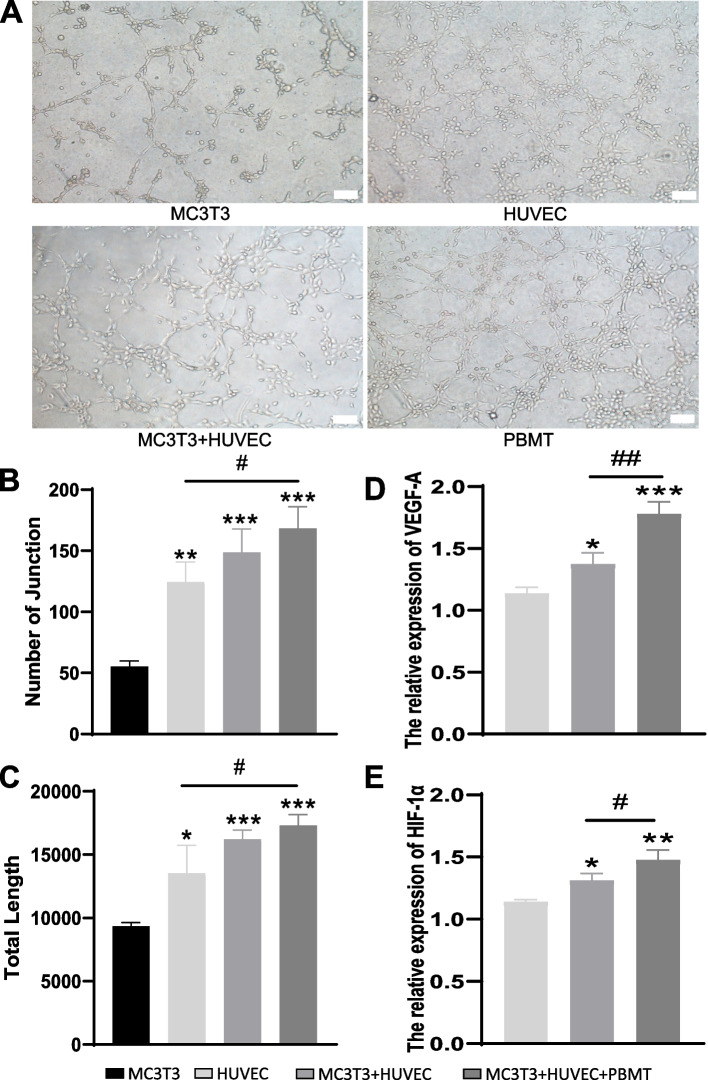
This study explores the effectiveness of Photobiomodulation Therapy (PBMT) in enhancing orthodontic tooth movement (OTM), osteogenesis, and angiogenesis through a comprehensive series of in vitro and in vivo investigations. The in vitro experiments involved co-culturing MC3T3-E1 and HUVEC cells to assess PBMT's impact on cell proliferation, osteogenesis, angiogenesis, and associated gene expression. Simultaneously, an in vivo experiment utilized an OTM rat model subjected to laser irradiation at specific energy densities.
In vitro experiments involved co-culturing MC3T3-E1 and HUVEC cells treated with PBMT, enabling a comprehensive assessment of cell proliferation, osteogenesis, angiogenesis, and gene expression. In vivo, an OTM rat model was subjected to laser irradiation at specified energy densities. Statistical analyses were performed to evaluate the significance of observed differences.
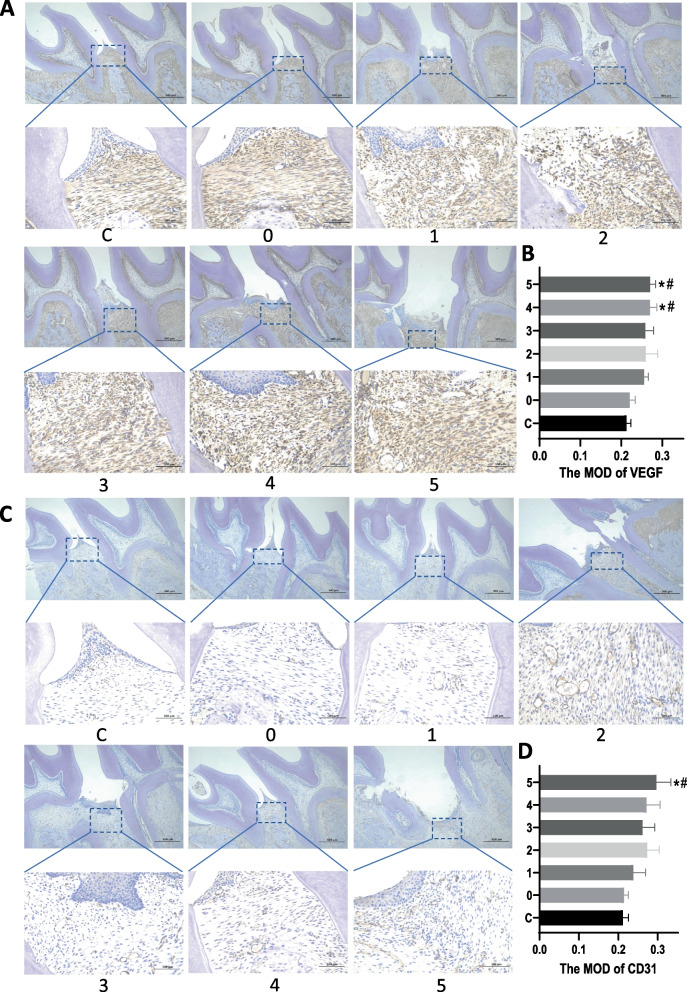
The results revealed a significant increase in blood vessel formation and new bone generation within the PBMT-treated group compared to the control group. In vitro, PBMT demonstrated positive effects on cell proliferation, osteogenesis, angiogenesis, and gene expression in the co-culture model. In vivo, laser irradiation at specific energy densities significantly enhanced OTM, angiogenesis, and osteogenesis.
This study highlights the substantial potential of PBMT in improving post-orthodontic bone quality. The observed enhancements in angiogenesis and osteogenesis suggest a pivotal role for PBMT in optimizing treatment outcomes in orthodontic practices. The findings position PBMT as a promising therapeutic intervention that could be seamlessly integrated into orthodontic protocols, offering a novel dimension to enhance overall treatment efficacy. Beyond the laboratory, these results suggest practical significance for PBMT in clinical scenarios, emphasizing its potential to contribute to the advancement of orthodontic treatments. Further exploration of PBMT in orthodontic practices is warranted to unlock its full therapeutic potential.
本研究通过一系列体外和体内研究,探讨了光生物调节疗法(PBMT)在增强正畸牙齿移动(OTM)、成骨和血管生成方面的有效性。体外实验涉及共培养 MC3T3-E1 和 HUVEC 细胞,以评估 PBMT 对细胞增殖、成骨、血管生成和相关基因表达的影响。同时,体内实验利用 OTM 大鼠模型,在特定能量密度下进行激光照射。
体外实验涉及共培养 MC3T3-E1 和 HUVEC 细胞,用 PBMT 处理,全面评估细胞增殖、成骨、血管生成和基因表达。在体内,将 OTM 大鼠模型置于特定能量密度的激光照射下。进行统计分析以评估观察到的差异的显著性。
结果显示,与对照组相比,PBMT 处理组的血管形成和新骨生成明显增加。体外,PBMT 在共培养模型中对细胞增殖、成骨、血管生成和基因表达表现出积极影响。体内,特定能量密度的激光照射显著增强了 OTM、血管生成和成骨。
本研究强调了 PBMT 在改善正畸后骨质量方面的巨大潜力。观察到的血管生成和成骨增强表明 PBMT 在优化正畸实践中的治疗结果方面发挥着关键作用。研究结果将 PBMT 定位为一种有前途的治疗干预措施,可无缝集成到正畸方案中,为整体治疗效果提供新的维度。这些结果不仅在实验室中具有重要意义,而且在临床场景中也具有实际意义,强调了其在促进正畸治疗方面的潜在作用。进一步探索 PBMT 在正畸实践中的应用是值得的,以充分发挥其治疗潜力。