Refractories, Ceramics and Building Materials Department, National Research Centre (NRC), El-Buhouth St., Dokki, 12622, Cairo, Egypt.
Glass Research Department, National Research Centre (NRC), El-Buhouth St., Dokki, 12622, Cairo, Egypt.
Sci Rep. 2024 Feb 2;14(1):2804. doi: 10.1038/s41598-024-53319-2.
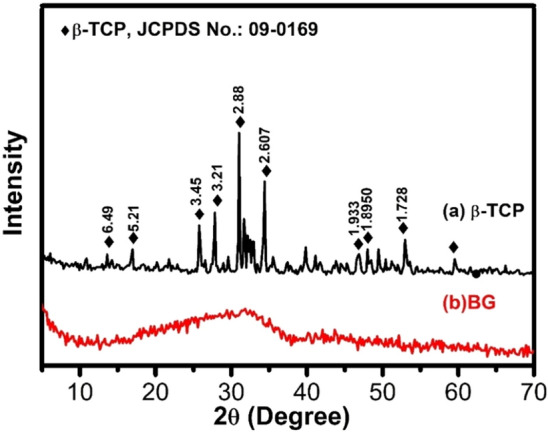
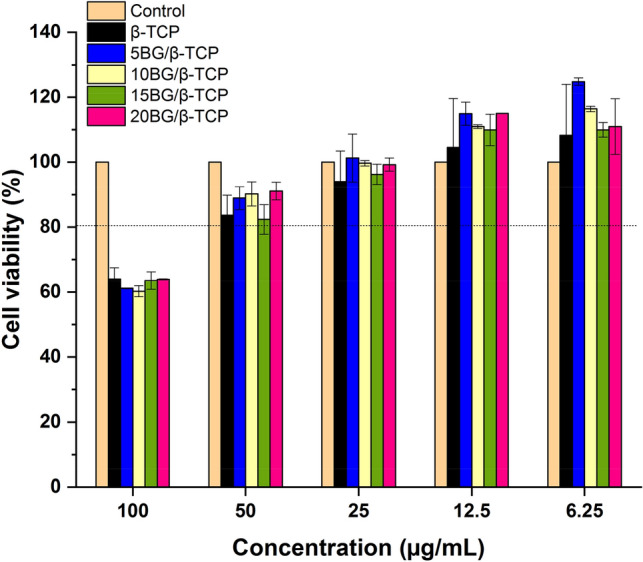
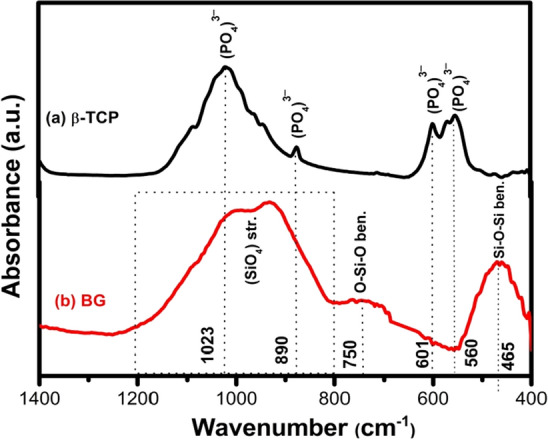
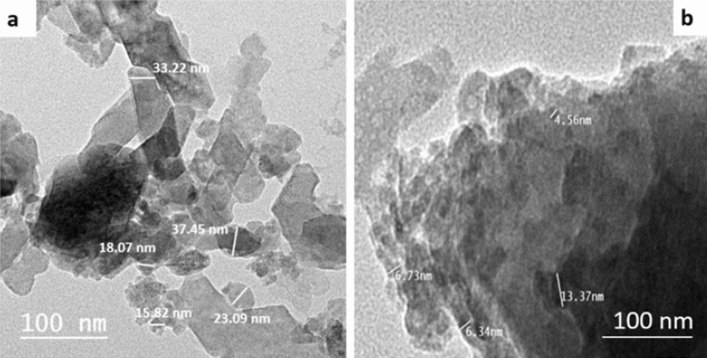
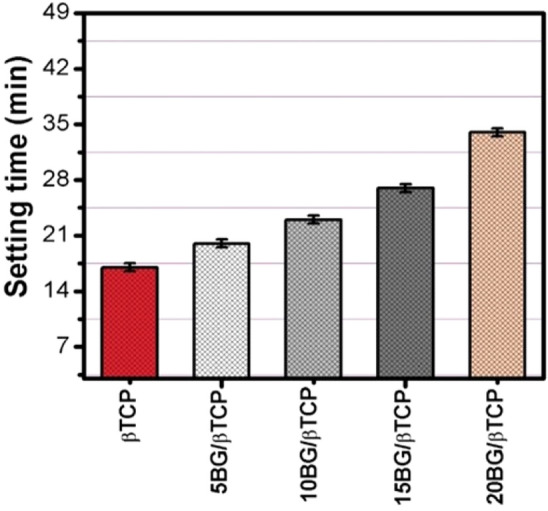
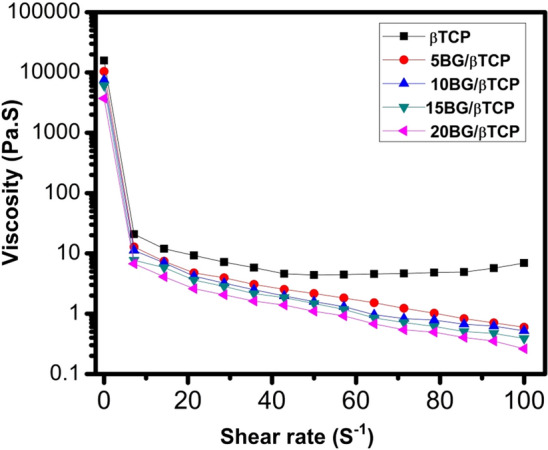
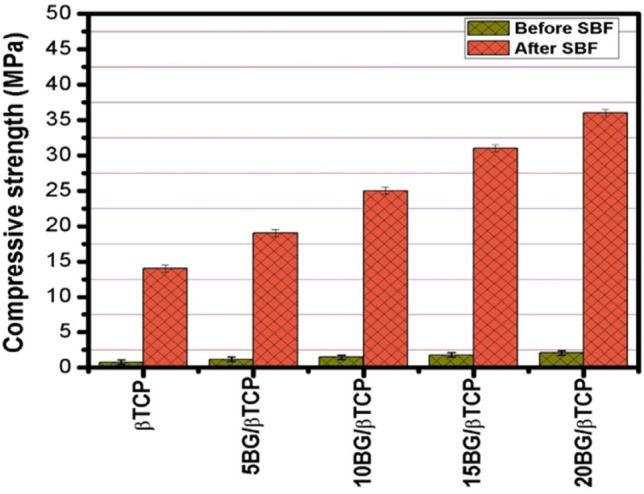
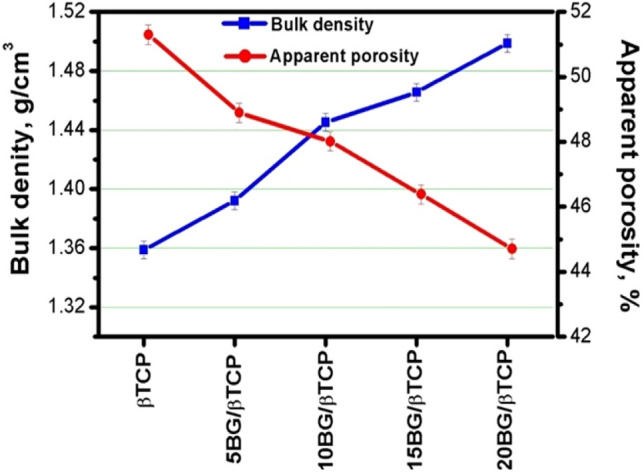
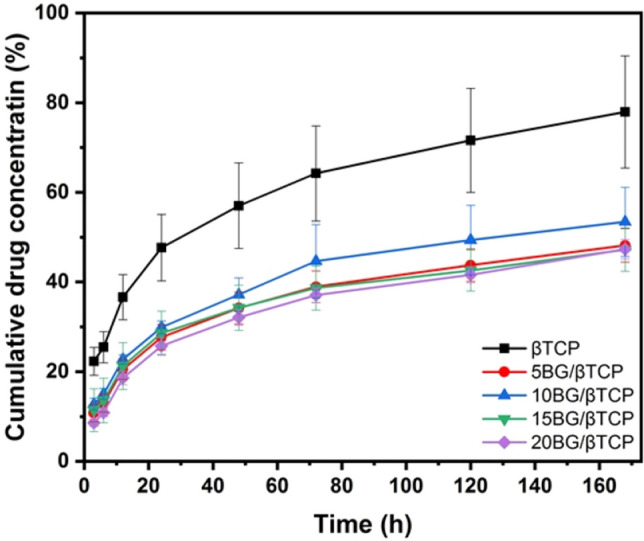
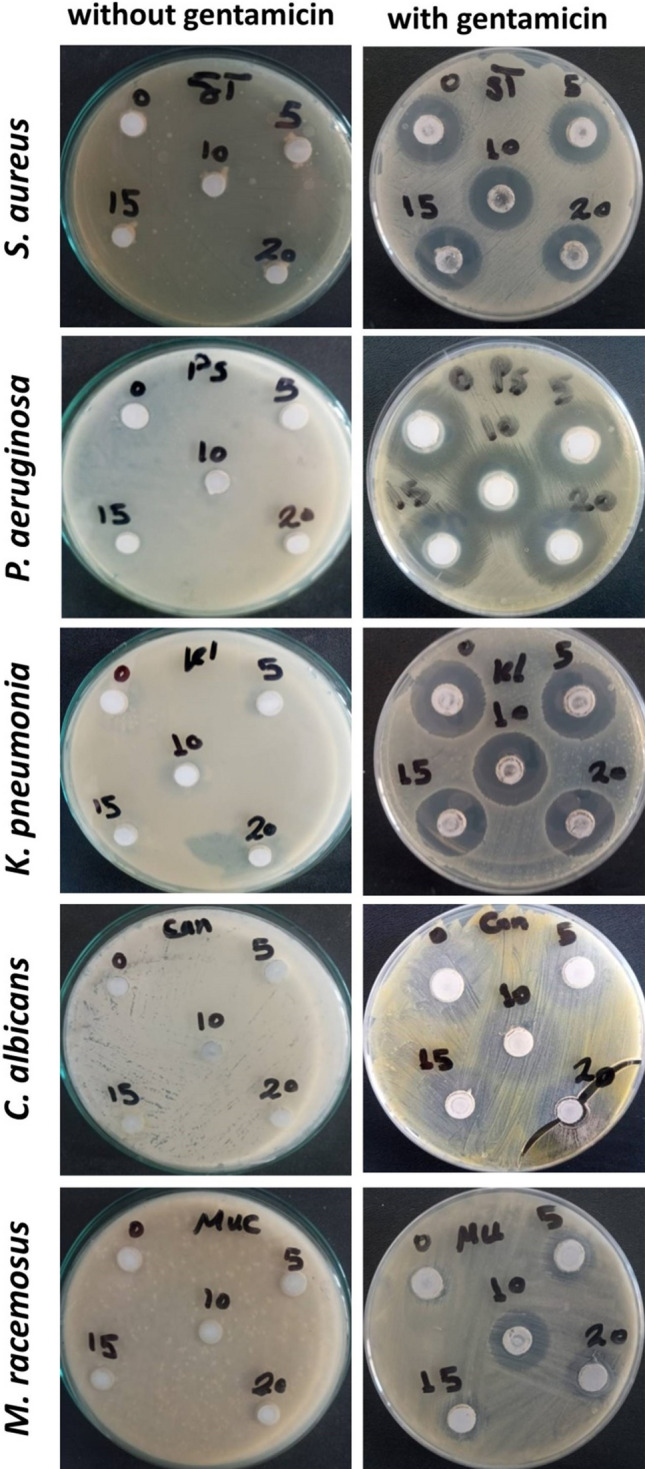
This work aimed at tailoring of different properties of antibacterial drug delivery Ca-phosphate cements by incorporation of bioactive glass (BG). The cements were prepared from beta-tricalcium phosphate cement (β-TCP) and BG based on 50 SiO-20 CaO-15 NaO-7 BO-4 PO-4 AlO wt% with different percentages of BG [5, 10, 15, and 20% (w/w)]. The composite cements were characterized by XRD, FTIR, and TEM. Moreover, in vitro bioactivity and biodegradation were evaluated in the simulated body fluid (SBF) at 37 °C. In addition, physical properties and mechanical strength were determined. Also, the effect of glass addition on the drug release profile was examined using gentamicin. Finally, the antimicrobial activity was studied against Staphylococcus aureus, Pseudomonas aeruginosa, and Klebsiella pneumonia bacteria, one unicellular fungal strain (Candida albicans), and one multicellular fungal strain (Mucor racemosus). The results showed that after soaking in SBF, the compression strength values ranged from 14 to 36 MPa, the bulk densities and porosities were within 1.35 to 1.49 g/cm and 51.3 to 44.71%, respectively. Furthermore, gentamicin was released in a sustained manner, and BG decreased the released drug amount from ~ 80% (in pure β-TCP) to 47-53% in the composite cements. A drug release profile that is sustained by all samples was achieved. The antimicrobial test showed good activity of gentamicin-conjugated cements against bacteria and fungi used in this study. Additionally, cytotoxicity results proved that all samples were safe on MG-63 cells up to 50 µg/mL with no more than 7-12% dead cells. From the view of the physico-mechanical properties, bioactivity, biodegradation, and drug release rate, 20BG/β-TCP sample was nominated for practical bone grafting material, where it showed appropriate setting time and a relatively high mechanical strength suitable for cancellous bone.
本工作旨在通过掺入生物活性玻璃(BG)来调整抗菌药物递送钙磷酸盐水泥的不同性质。水泥由β-磷酸三钙水泥(β-TCP)和基于 50SiO-20CaO-15NaO-7BO-4PO-4AlO 的 BG 组成,BG 的含量为 5、10、15 和 20%(w/w)。通过 XRD、FTIR 和 TEM 对复合水泥进行了表征。此外,在 37°C 的模拟体液(SBF)中评估了体外生物活性和生物降解性。此外,还测定了物理性能和机械强度。还使用庆大霉素检查了玻璃添加对药物释放曲线的影响。最后,研究了抗金黄色葡萄球菌、铜绿假单胞菌和肺炎克雷伯菌、一种单细胞真菌(白色念珠菌)和一种多细胞真菌(毛霉)的抗菌活性。结果表明,在 SBF 浸泡后,压缩强度值范围为 14 至 36 MPa,体密度和孔隙率分别为 1.35 至 1.49 g/cm 和 51.3 至 44.71%。此外,庆大霉素以持续的方式释放,BG 将复合水泥中释放的药物量从~80%(在纯β-TCP 中)降低至 47-53%。所有样品均实现了持续的药物释放曲线。抗菌试验表明,接枝庆大霉素的水泥对本研究中使用的细菌和真菌具有良好的活性。此外,细胞毒性结果证明,所有样品在 50μg/mL 以下时对 MG-63 细胞均安全,死亡细胞不超过 7-12%。从物理力学性能、生物活性、生物降解性和药物释放率的角度来看,20BG/β-TCP 样品被提名用于实际的骨移植材料,其凝结时间适中,机械强度相对较高,适用于松质骨。