Department of Civil Engineering, University of Ottawa, Ottawa, ON, K1N 6N5, Canada.
Children's Hospital of Eastern Ontario Research Institute, Ottawa, ON, K1H 8L1, Canada.
Sci Rep. 2024 Feb 14;14(1):3728. doi: 10.1038/s41598-024-54319-y.
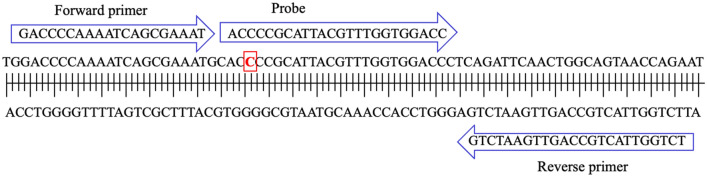
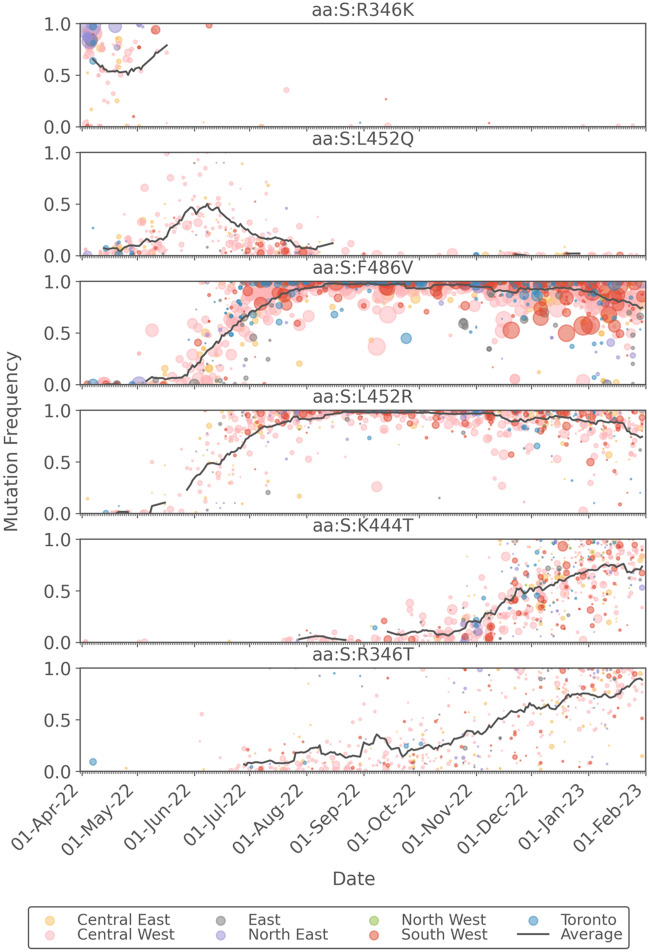
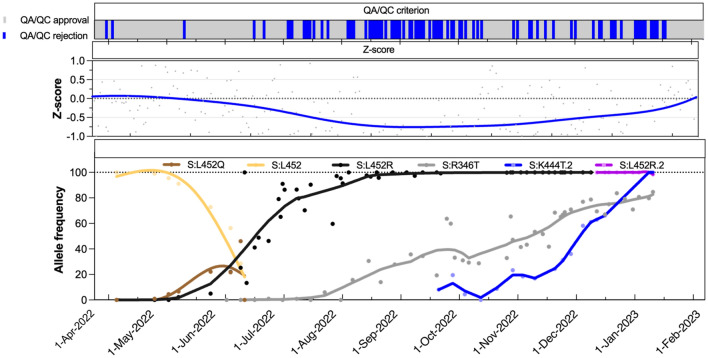
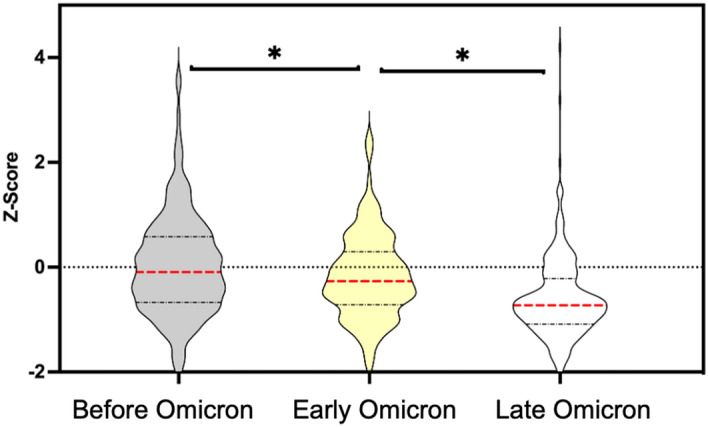
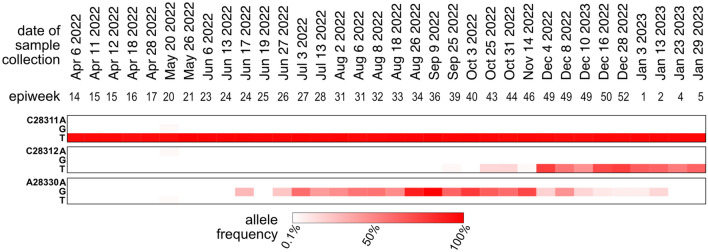
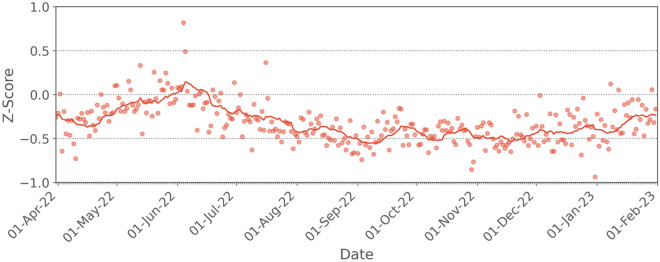
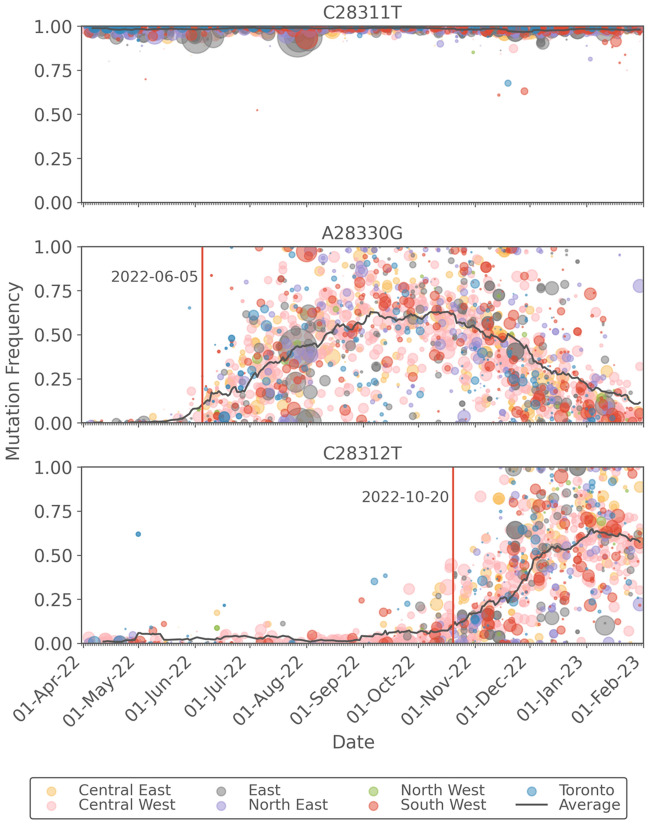
Wastewater surveillance of coronavirus disease 2019 (COVID-19) commonly applies reverse transcription-quantitative polymerase chain reaction (RT-qPCR) to quantify severe acute respiratory syndrome coronavirus 2 (SARS-CoV-2) RNA concentrations in wastewater over time. In most applications worldwide, maximal sensitivity and specificity of RT-qPCR has been achieved, in part, by monitoring two or more genomic loci of SARS-CoV-2. In Ontario, Canada, the provincial Wastewater Surveillance Initiative reports the average copies of the CDC N1 and N2 loci normalized to the fecal biomarker pepper mild mottle virus. In November 2021, the emergence of the Omicron variant of concern, harboring a C28311T mutation within the CDC N1 probe region, challenged the accuracy of the consensus between the RT-qPCR measurements of the N1 and N2 loci of SARS-CoV-2. In this study, we developed and applied a novel real-time dual loci quality assurance and control framework based on the relative difference between the loci measurements to the City of Ottawa dataset to identify a loss of sensitivity of the N1 assay in the period from July 10, 2022 to January 31, 2023. Further analysis via sequencing and allele-specific RT-qPCR revealed a high proportion of mutations C28312T and A28330G during the study period, both in the City of Ottawa and across the province. It is hypothesized that nucleotide mutations in the probe region, especially A28330G, led to inefficient annealing, resulting in reduction in sensitivity and accuracy of the N1 assay. This study highlights the importance of implementing quality assurance and control criteria to continually evaluate, in near real-time, the accuracy of the signal produced in wastewater surveillance applications that rely on detection of pathogens whose genomes undergo high rates of mutation.
污水监测新型冠状病毒病(COVID-19)通常采用逆转录定量聚合酶链反应(RT-qPCR),随时间定量检测污水中严重急性呼吸综合征冠状病毒 2(SARS-CoV-2)的 RNA 浓度。在全球大多数应用中,RT-qPCR 已达到最大的灵敏度和特异性,部分原因是监测 SARS-CoV-2 的两个或多个基因组位点。在加拿大安大略省,省级污水监测倡议报告了平均拷贝数的疾病预防控制中心 N1 和 N2 基因座,以粪便生物标志物辣椒轻斑驳病毒进行归一化。2021 年 11 月,出现了令人关注的奥密克戎变体,在 CDC N1 探针区域内携带 C28311T 突变,这对 SARS-CoV-2 的 N1 和 N2 基因座的 RT-qPCR 测量之间的一致性的准确性提出了挑战。在这项研究中,我们开发并应用了一种新的实时双基因座质量保证和控制框架,该框架基于基因座测量之间的相对差异,对渥太华市数据集进行了分析,以确定 N1 测定在 2022 年 7 月 10 日至 2023 年 1 月 31 日期间的敏感性丧失。通过测序和等位基因特异性 RT-qPCR 的进一步分析,发现在研究期间,渥太华市和全省都存在大量的突变 C28312T 和 A28330G。据推测,探针区域的核苷酸突变,特别是 A28330G,导致退火效率降低,从而降低了 N1 测定的灵敏度和准确性。本研究强调了实施质量保证和控制标准的重要性,以便在污水监测应用中,对基于检测其基因组发生高突变率的病原体的信号的准确性进行近乎实时的持续评估。