Lee Jong Geol, Yon Jung-Min, Kim Globinna, Lee Seul-Gi, Kim C-Yoon, Cheong Seung-A, Kim Hyun-Yi, Yu Jiyoung, Kim Kyunggon, Sung Young Hoon, Yoo Hyun Ju, Woo Dong-Cheol, Rho Jin Kyung, Ha Chang Hoon, Pack Chan-Gi, Oh Seak Hee, Lim Joon Seo, Han Yu Mi, Hong Eui-Ju, Seong Je Kyung, Lee Han-Woong, Lee Sang-Wook, Lee Ki-Up, Kim Chong Jai, Nam Sang-Yoon, Cho You Sook, Baek In-Jeoung
Asan Institute for Life Sciences, Asan Medical Center, Seoul, 05505, Korea.
Korea Mouse Phenotyping Center (KMPC), Seoul, 08826, Korea.
Nat Commun. 2024 Feb 19;15(1):1487. doi: 10.1038/s41467-024-45647-8.
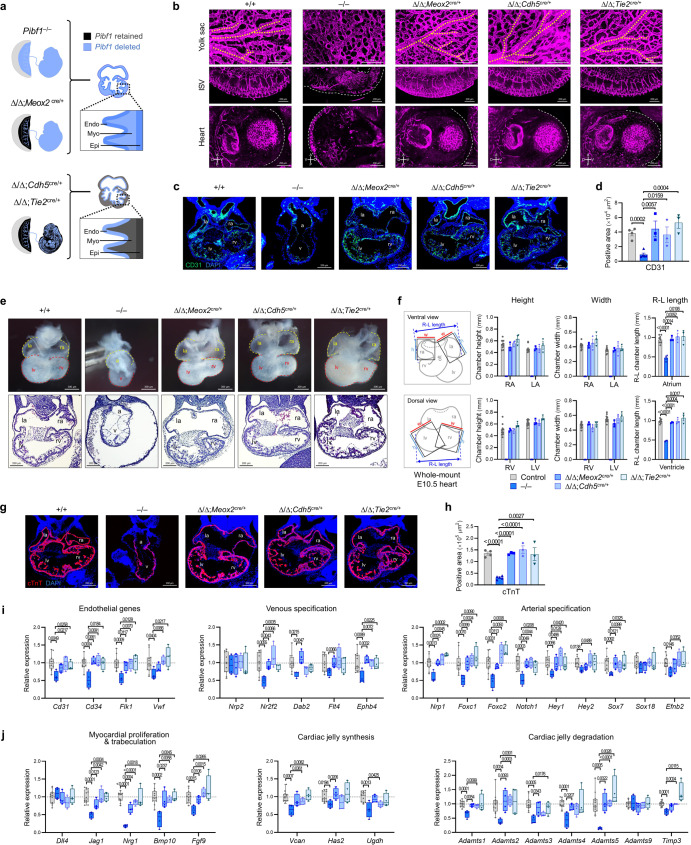
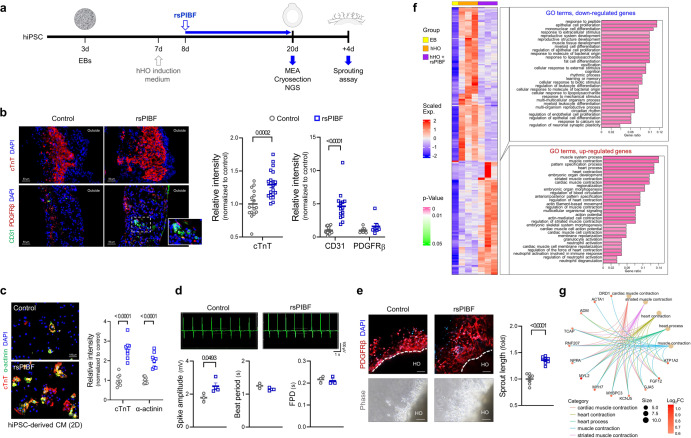
Proper placental development in early pregnancy ensures a positive outcome later on. The developmental relationship between the placenta and embryonic organs, such as the heart, is crucial for a normal pregnancy. However, the mechanism through which the placenta influences the development of embryonic organs remains unclear. Trophoblasts fuse to form multinucleated syncytiotrophoblasts (SynT), which primarily make up the placental materno-fetal interface. We discovered that endogenous progesterone immunomodulatory binding factor 1 (PIBF1) is vital for trophoblast differentiation and fusion into SynT in humans and mice. PIBF1 facilitates communication between SynT and adjacent vascular cells, promoting vascular network development in the primary placenta. This process affected the early development of the embryonic cardiovascular system in mice. Moreover, in vitro experiments showed that PIBF1 promotes the development of cardiovascular characteristics in heart organoids. Our findings show how SynTs organize the barrier and imply their possible roles in supporting embryogenesis, including cardiovascular development. SynT-derived factors and SynT within the placenta may play critical roles in ensuring proper organogenesis of other organs in the embryo.
妊娠早期胎盘的正常发育可确保后期有良好的结果。胎盘与胚胎器官(如心脏)之间的发育关系对于正常妊娠至关重要。然而,胎盘影响胚胎器官发育的机制仍不清楚。滋养层细胞融合形成多核合体滋养层细胞(SynT),其主要构成胎盘的母胎界面。我们发现内源性孕酮免疫调节结合因子1(PIBF1)对人类和小鼠的滋养层细胞分化和融合成合体滋养层细胞至关重要。PIBF1促进合体滋养层细胞与相邻血管细胞之间的通讯,促进初级胎盘血管网络的发育。这一过程影响了小鼠胚胎心血管系统的早期发育。此外,体外实验表明PIBF1促进心脏类器官中心血管特征的发育。我们的研究结果揭示了合体滋养层细胞如何构建屏障,并暗示了它们在支持胚胎发育(包括心血管发育)中可能发挥的作用。胎盘内合体滋养层细胞衍生因子和合体滋养层细胞可能在确保胚胎其他器官正常器官发生中起关键作用。