Department of Computer Science, Johns Hopkins University, Baltimore, MD, USA.
Institute of Cell Engineering, Division of Immunology, Department of Pathology, Johns Hopkins University, Baltimore, MD, USA.
Nat Commun. 2024 Feb 21;15(1):1577. doi: 10.1038/s41467-024-45601-8.
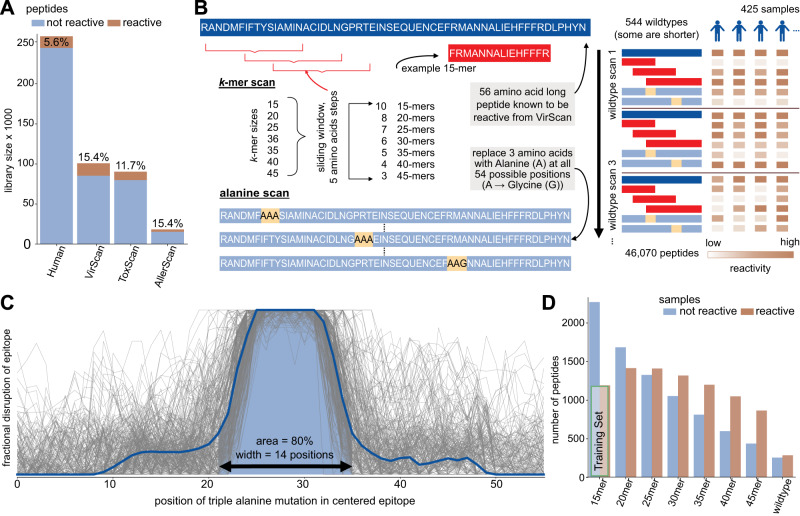
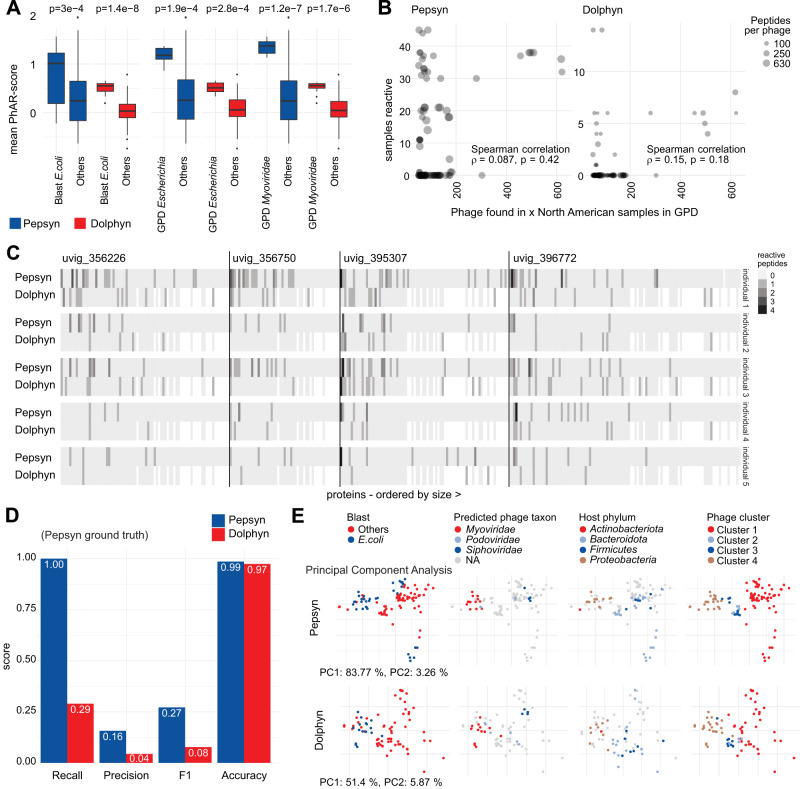
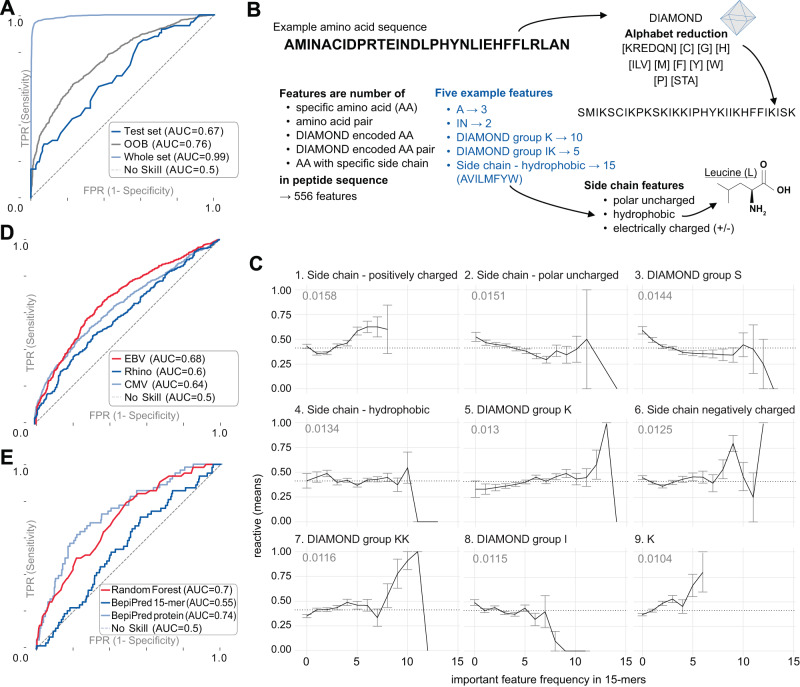
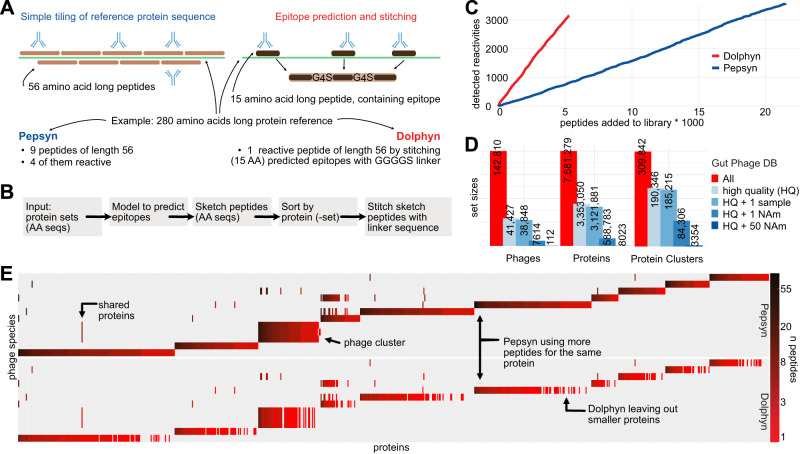
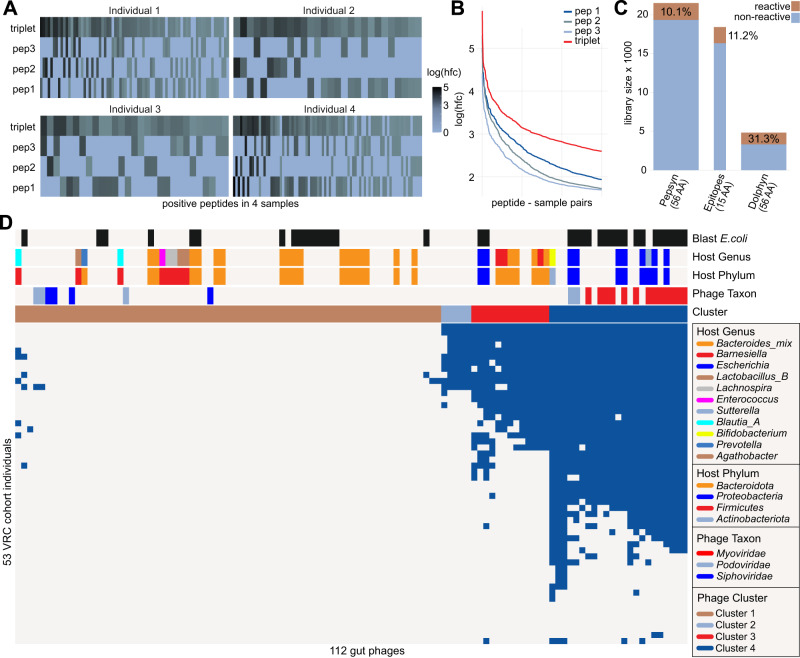
We investigate a relatively underexplored component of the gut-immune axis by profiling the antibody response to gut phages using Phage Immunoprecipitation Sequencing (PhIP-Seq). To cover large antigenic spaces, we develop Dolphyn, a method that uses machine learning to select peptides from protein sets and compresses the proteome through epitope-stitching. Dolphyn compresses the size of a peptide library by 78% compared to traditional tiling, increasing the antibody-reactive peptides from 10% to 31%. We find that the immune system develops antibodies to human gut bacteria-infecting viruses, particularly E.coli-infecting Myoviridae. Cost-effective PhIP-Seq libraries designed with Dolphyn enable the assessment of a wider range of proteins in a single experiment, thus facilitating the study of the gut-immune axis.
我们通过使用噬菌体免疫沉淀测序(PhIP-Seq)对肠道噬菌体的抗体反应进行分析,研究了肠道-免疫轴中一个相对较少被探索的组成部分。为了覆盖更大的抗原空间,我们开发了一种名为 Dolphyn 的方法,该方法使用机器学习从蛋白质组中选择肽,并通过表位拼接来压缩蛋白质组。与传统的平铺方法相比,Dolphyn 将肽文库的大小压缩了 78%,从而将抗体反应性肽从 10%增加到 31%。我们发现免疫系统会产生针对感染人类肠道细菌的病毒(特别是感染大肠杆菌的肌尾噬菌体科)的抗体。使用 Dolphyn 设计的具有成本效益的 PhIP-Seq 文库可以在单个实验中评估更广泛的蛋白质,从而有助于研究肠道-免疫轴。