Radboud University Nijmegen, The Netherlands.
Vrije Universiteit Amsterdam, The Netherlands.
Autism. 2024 Sep;28(9):2346-2361. doi: 10.1177/13623613241232860. Epub 2024 Feb 27.
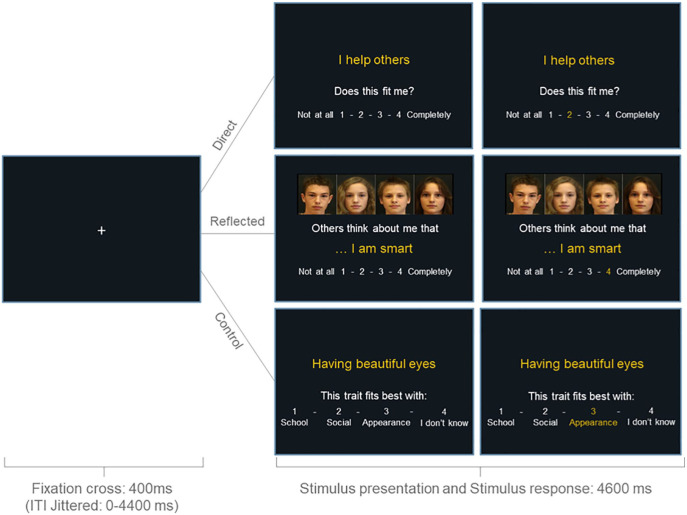
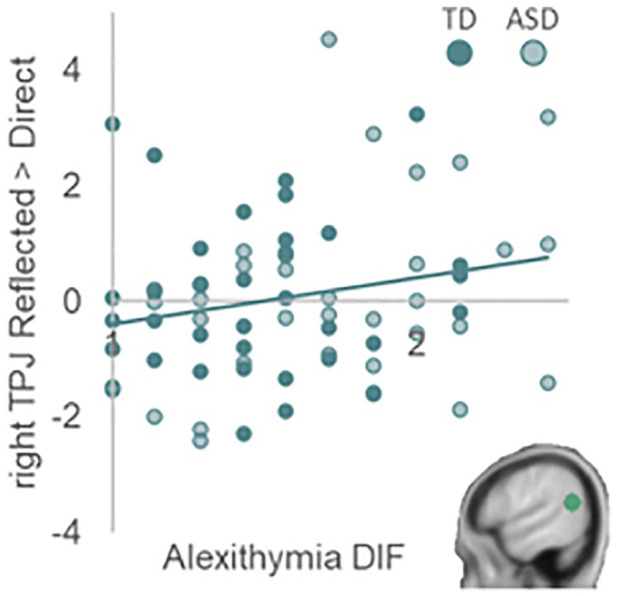
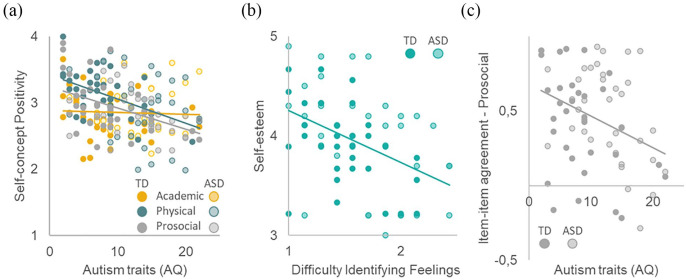
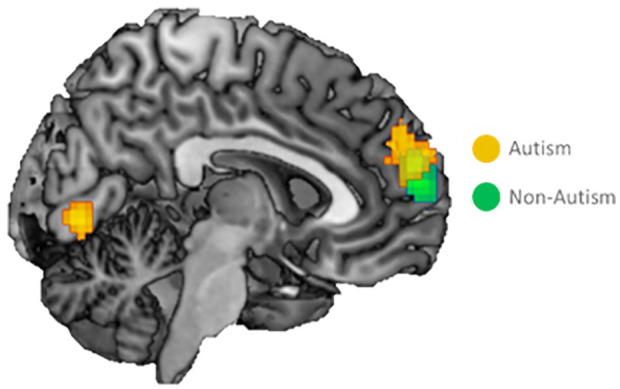
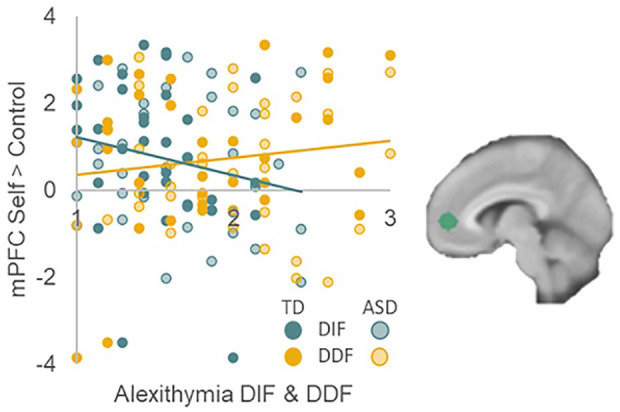
Developing a positive view of the self is important for maintaining a good mental health, as feeling negative about the self increases the risk of developing internalizing symptoms such as feelings of depression and anxiety. Even though autistic individuals regularly struggle with these internalizing feelings, and both self-concept and internalizing feelings are known to develop during adolescence, there is a lack of studies investigating the development of positive self-concept and self-esteem in autistic adolescents. Here, we studied academic, physical, and prosocial self-concept as well as self-esteem in adolescent males with and without autism on both the behavioral and neural level. We additionally focused on similarities in one's own and peers' perspectives on the self, and we assessed a potential role of alexithymia (i.e. having trouble identifying and describing one's feelings) in developing a more negative view of the self. Results showed that there were no group differences in self-esteem, self-concept, or underlying neural activation. This shows that autistic adolescent males use the same neural processes when they evaluate their traits. However, regardless of clinical diagnosis, a higher number of autism traits was related to a less positive physical and prosocial self-concept, whereas more difficulty identifying one's feelings was related to lowered self-esteem and less activation in medial prefrontal cortex during self-evaluations. Therefore, in treatment of autistic adolescents with low self-esteem, it is important to take into account and possibly aim to improve alexithymic traits as well.
培养积极的自我认知对于保持良好的心理健康至关重要,因为对自我持负面看法会增加出现内化症状(如抑郁和焦虑感)的风险。尽管自闭症个体经常与这些内化感受作斗争,而且自我概念和内化感受已知在青春期发展,但缺乏研究调查自闭症青少年积极自我概念和自尊的发展。在这里,我们在行为和神经水平上研究了有和没有自闭症的青少年男性的学术、身体和亲社会自我概念以及自尊。我们还关注了自己和同龄人对自我看法的相似之处,并评估了述情障碍(即难以识别和描述自己的感受)在形成更消极的自我看法中的潜在作用。结果表明,自尊、自我概念或潜在的神经激活在组间没有差异。这表明自闭症青少年男性在评估自己的特征时使用相同的神经过程。然而,无论临床诊断如何,自闭症特征数量较多与身体和亲社会自我概念较不积极有关,而识别自己感受的难度与自尊降低以及自我评估时内侧前额叶皮质的激活减少有关。因此,在治疗自尊较低的自闭症青少年时,重要的是要考虑并可能旨在改善述情障碍特征。