Department of Urology, Zhongshan Hospital, Fudan University, 180Th Fengling Rd, Xuhui District, Shanghai, 200032, China.
Department of Urology, Minhang Hospital, Fudan University, Shanghai, 201199, China.
J Transl Med. 2024 Feb 27;22(1):210. doi: 10.1186/s12967-024-04848-x.
Clear cell renal cell carcinoma is a prototypical tumor characterized by metabolic reprogramming, which extends beyond tumor cells to encompass diverse cell types within the tumor microenvironment. Nonetheless, current research on metabolic reprogramming in renal cell carcinoma mostly focuses on either tumor cells alone or conducts analyses of all cells within the tumor microenvironment as a mixture, thereby failing to precisely identify metabolic changes in different cell types within the tumor microenvironment.
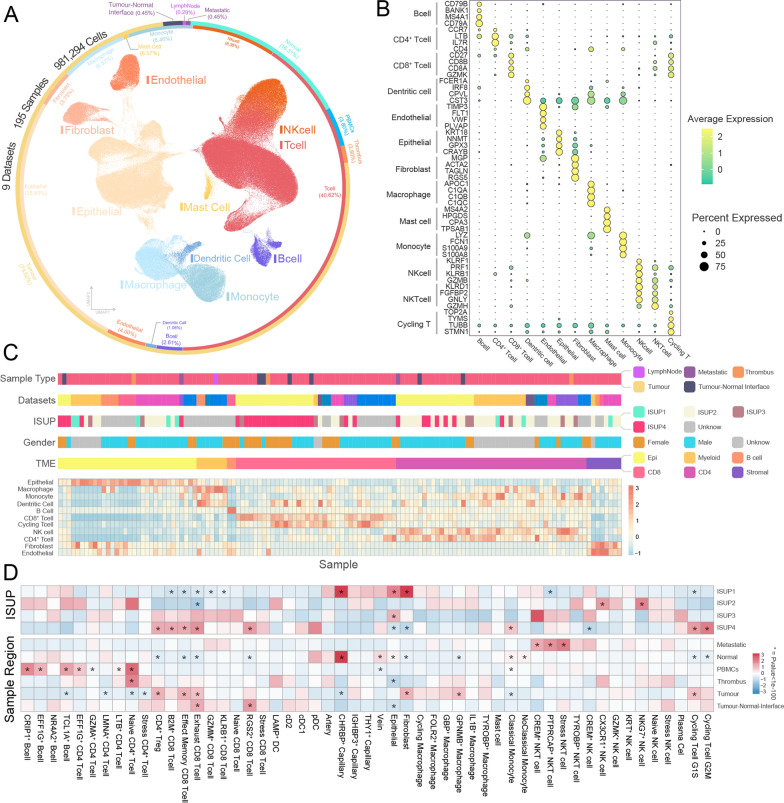
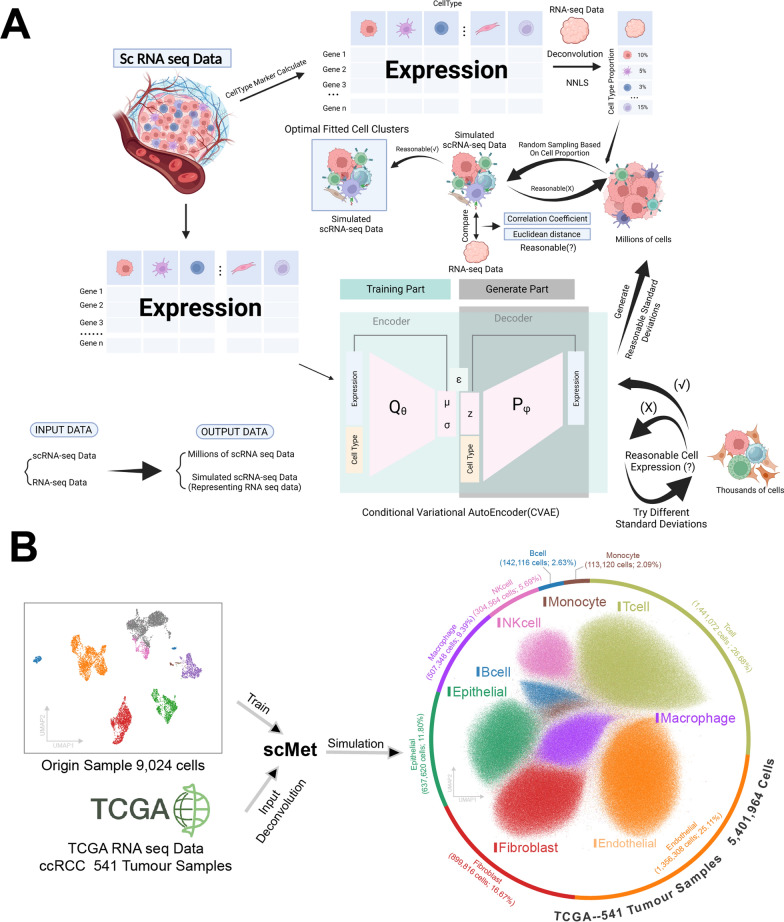
Gathering 9 major single-cell RNA sequencing databases of clear cell renal cell carcinoma, encompassing 195 samples. Spatial transcriptomics data were selected to conduct metabolic activity analysis with spatial localization. Developing scMet program to convert RNA-seq data into scRNA-seq data for downstream analysis.
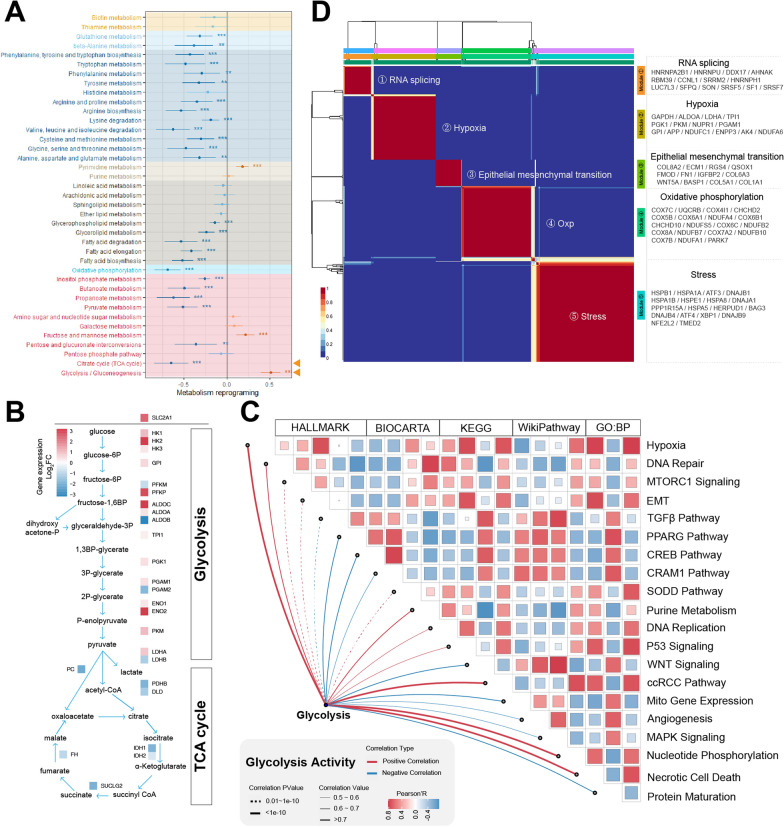
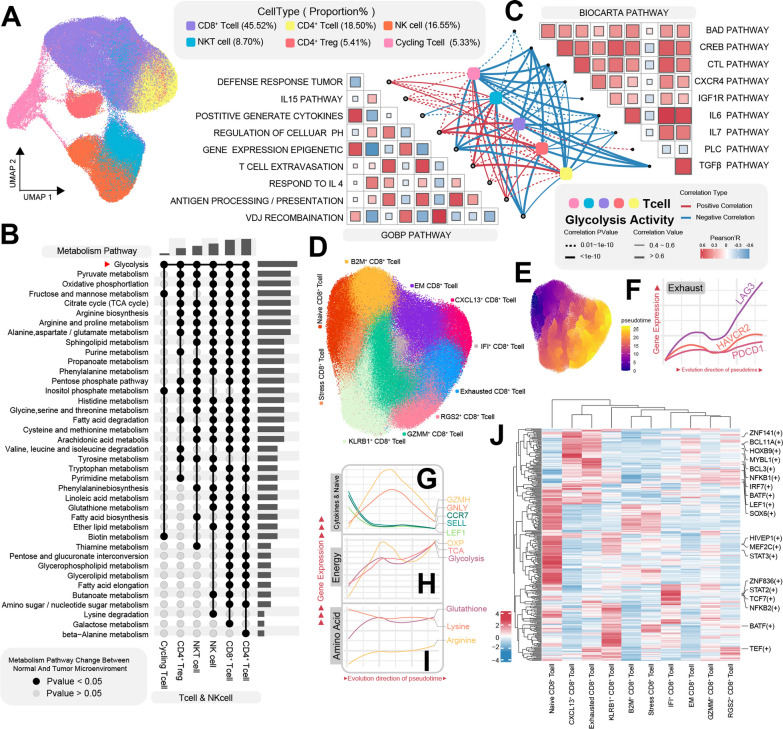
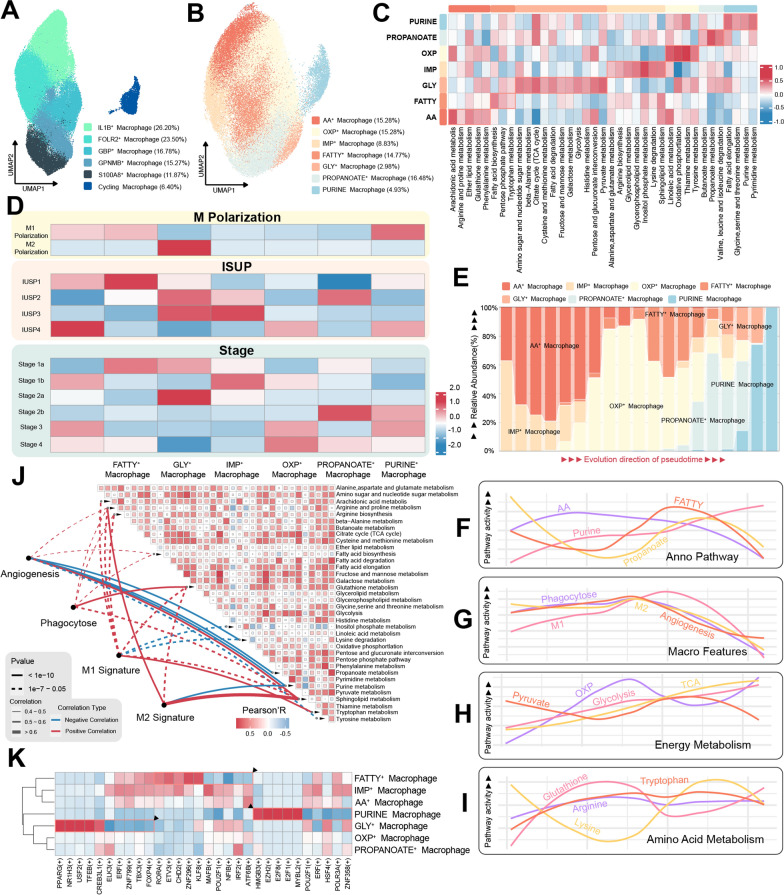
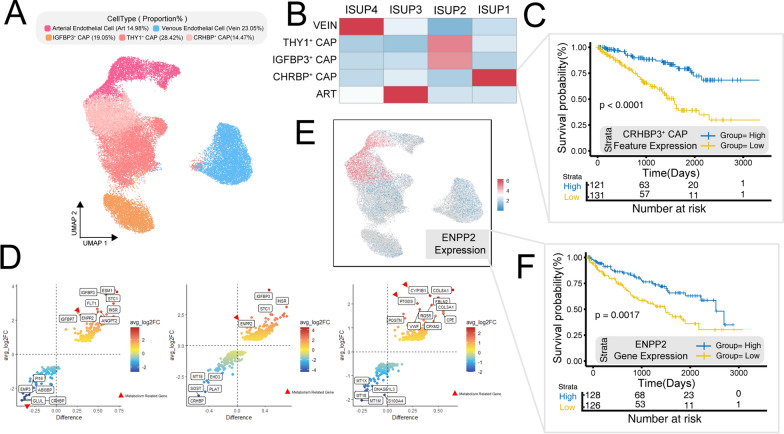
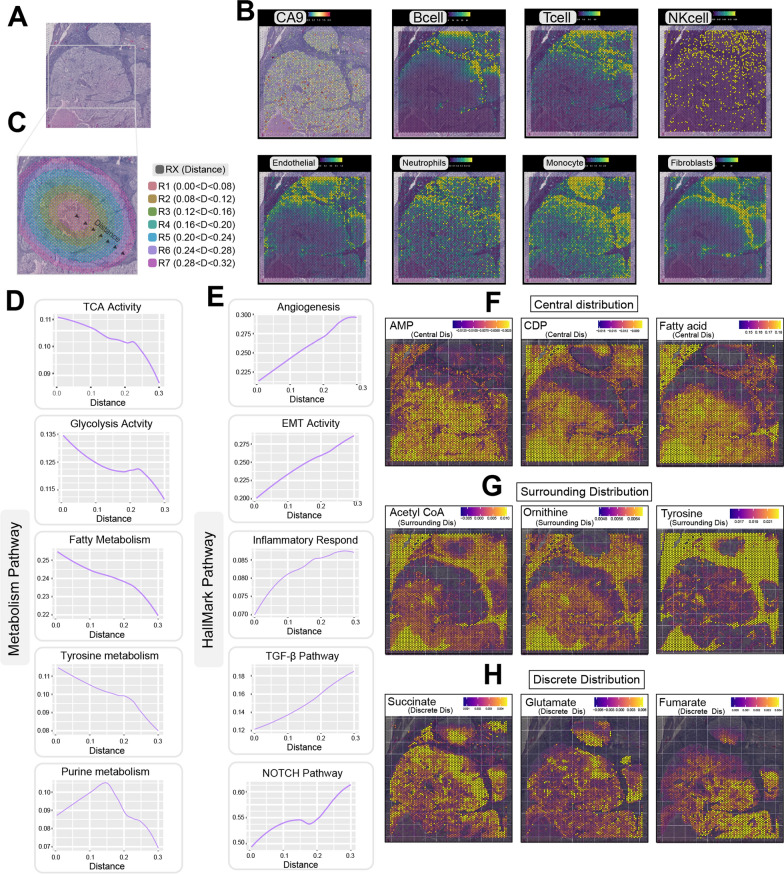
Diverse cellular entities within the tumor microenvironment exhibit distinct infiltration preferences across varying histological grades and tissue origins. Higher-grade tumors manifest pronounced immunosuppressive traits. The identification of tumor cells in the RNA splicing state reveals an association between the enrichment of this particular cellular population and an unfavorable prognostic outcome. The energy metabolism of CD8 T cells is pivotal not only for their cytotoxic effector functions but also as a marker of impending cellular exhaustion. Sphingolipid metabolism evinces a correlation with diverse macrophage-specific traits, particularly M2 polarization. The tumor epicenter is characterized by heightened metabolic activity, prominently marked by elevated tricarboxylic acid cycle and glycolysis while the pericapsular milieu showcases a conspicuous enrichment of attributes associated with vasculogenesis, inflammatory responses, and epithelial-mesenchymal transition. The scMet facilitates the transformation of RNA sequencing datasets sourced from TCGA into scRNA sequencing data, maintaining a substantial degree of correlation.
The tumor microenvironment of clear cell renal cell carcinoma demonstrates significant metabolic heterogeneity across various cell types and spatial dimensions. scMet exhibits a notable capability to transform RNA sequencing data into scRNA sequencing data with a high degree of correlation.
透明细胞肾细胞癌是一种典型的肿瘤,其代谢重编程不仅局限于肿瘤细胞,还涵盖肿瘤微环境中的多种细胞类型。然而,目前关于肾细胞癌代谢重编程的研究大多集中在肿瘤细胞本身,或者将肿瘤微环境中的所有细胞作为混合物进行分析,因此无法精确识别肿瘤微环境中不同细胞类型的代谢变化。
收集 9 个主要的透明细胞肾细胞癌单细胞 RNA 测序数据库,共包含 195 个样本。选择空间转录组学数据进行代谢活性分析,并进行空间定位。开发 scMet 程序将 RNA-seq 数据转换为 scRNA-seq 数据,以便下游分析。
肿瘤微环境中的不同细胞实体在不同的组织学分级和组织起源中表现出不同的浸润偏好。高级别肿瘤表现出明显的免疫抑制特征。RNA 剪接状态下肿瘤细胞的鉴定揭示了该特定细胞群体丰度与不利预后结果之间的关联。CD8 T 细胞的能量代谢不仅对其细胞毒性效应功能至关重要,而且是细胞耗竭的标志物。鞘脂代谢与多种巨噬细胞特异性特征相关,特别是 M2 极化。肿瘤核心区域表现出较高的代谢活性,三羧酸循环和糖酵解明显升高,而包膜周围环境则显著富集与血管生成、炎症反应和上皮-间充质转化相关的特征。scMet 能够将 TCGA 来源的 RNA 测序数据集转化为 scRNA 测序数据,并且具有高度的相关性。
透明细胞肾细胞癌的肿瘤微环境在不同细胞类型和空间维度上表现出显著的代谢异质性。scMet 具有将 RNA 测序数据转化为 scRNA 测序数据的显著能力,并且具有高度的相关性。