Wang Jin, Jiang Jinyong, Hu Haoliang, Chen Linxi
Institute of Pharmacy and Pharmacology, Learning Key Laboratory for Pharmacoproteomics, Hunan Province Cooperative Innovation Center for Molecular Target New Drug Study, School of Pharmaceutical Science, Hengyang Medical College, University of South China, Hengyang 421001, China.
Department of Pharmacy, The First Affiliated Hospital of Jishou University, Jishou 416000, China.
J Adv Res. 2025 Feb;68:271-298. doi: 10.1016/j.jare.2024.02.013. Epub 2024 Feb 27.
Globally, the onset and progression of multiple human diseases are associated with mitochondrial dysfunction and dysregulation of Ca uptake dynamics mediated by the mitochondrial calcium uniporter (MCU) complex, which plays a key role in mitochondrial dysfunction. Despite relevant studies, the underlying pathophysiological mechanisms have not yet been fully elucidated.
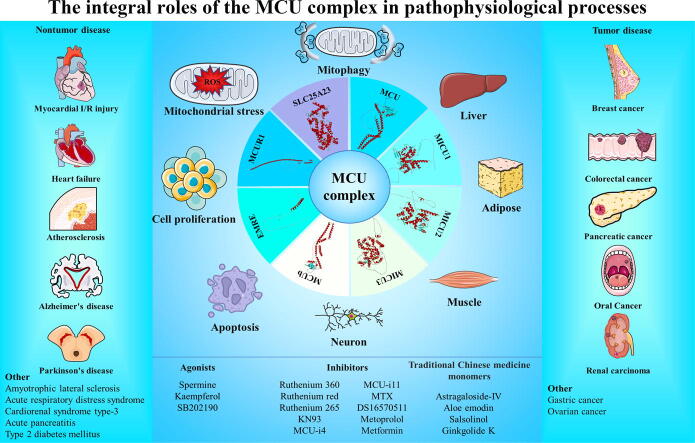
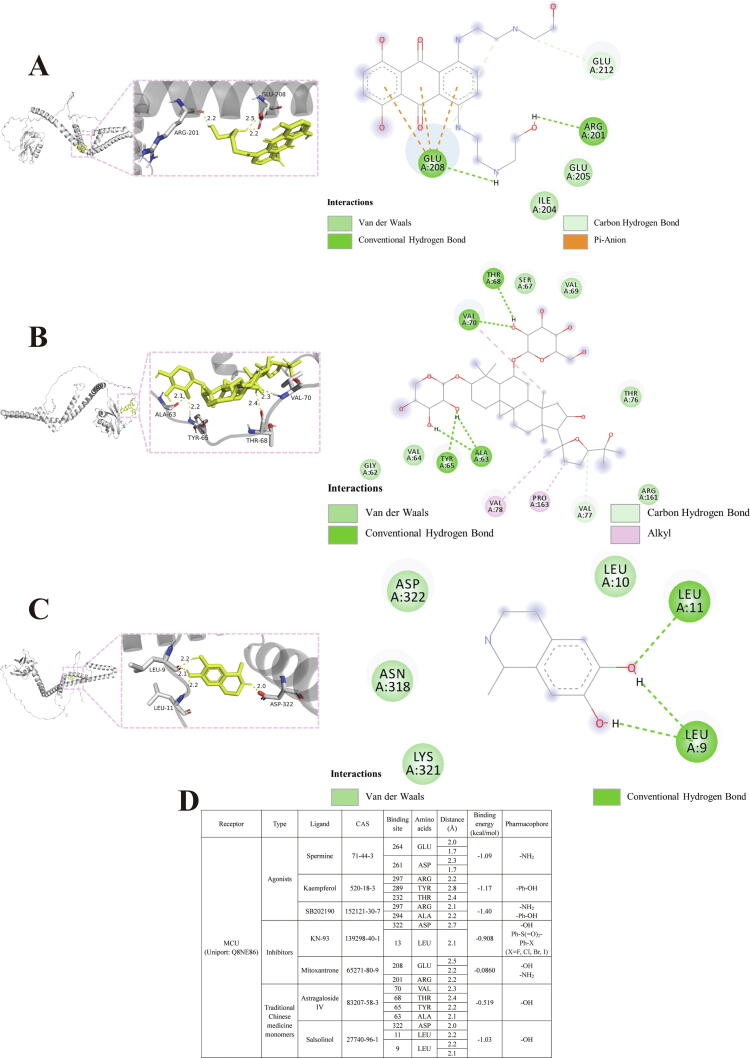
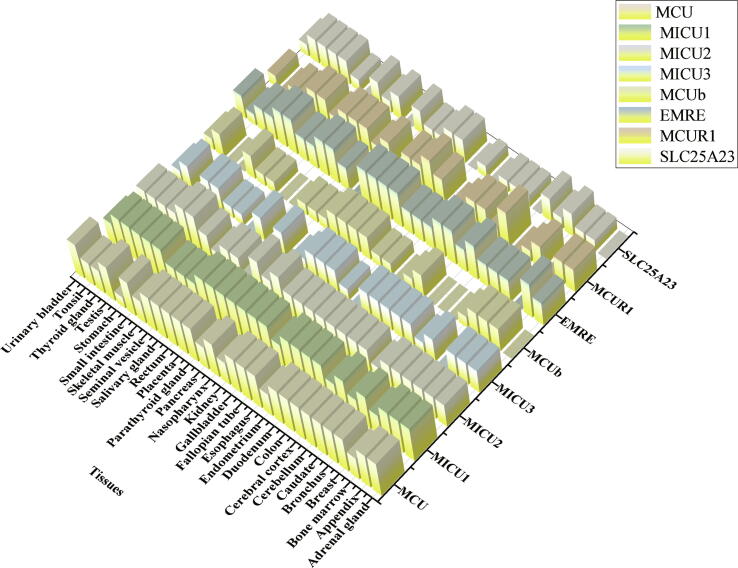
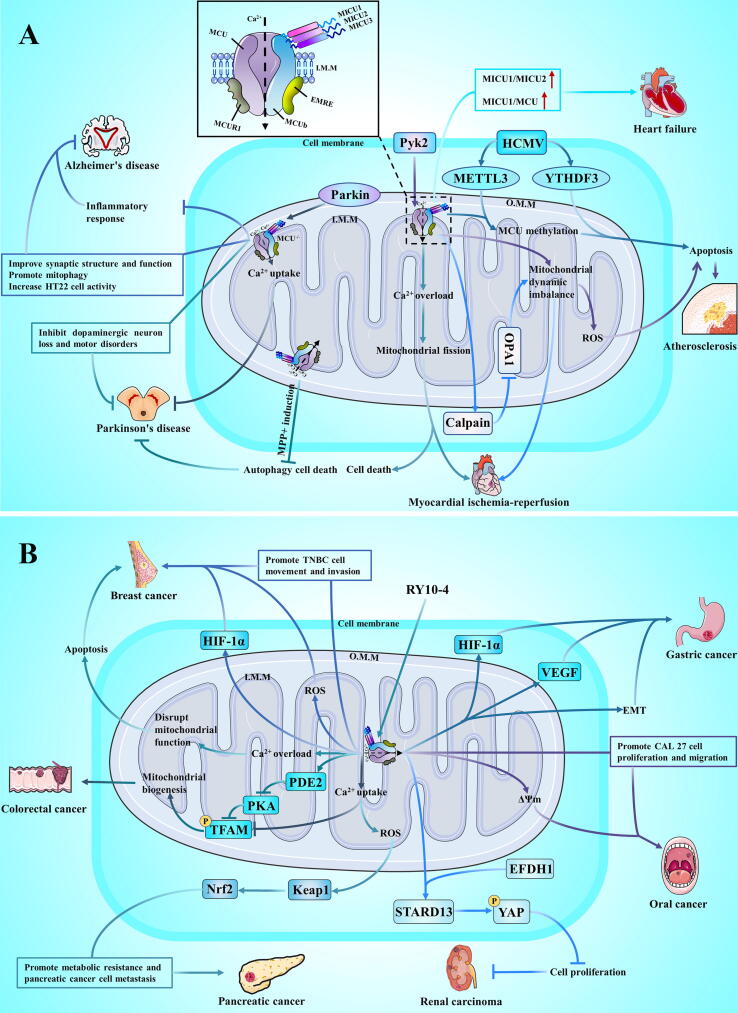
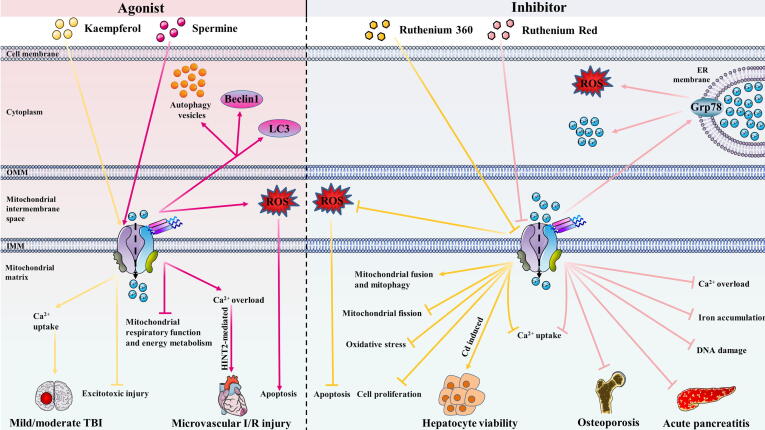
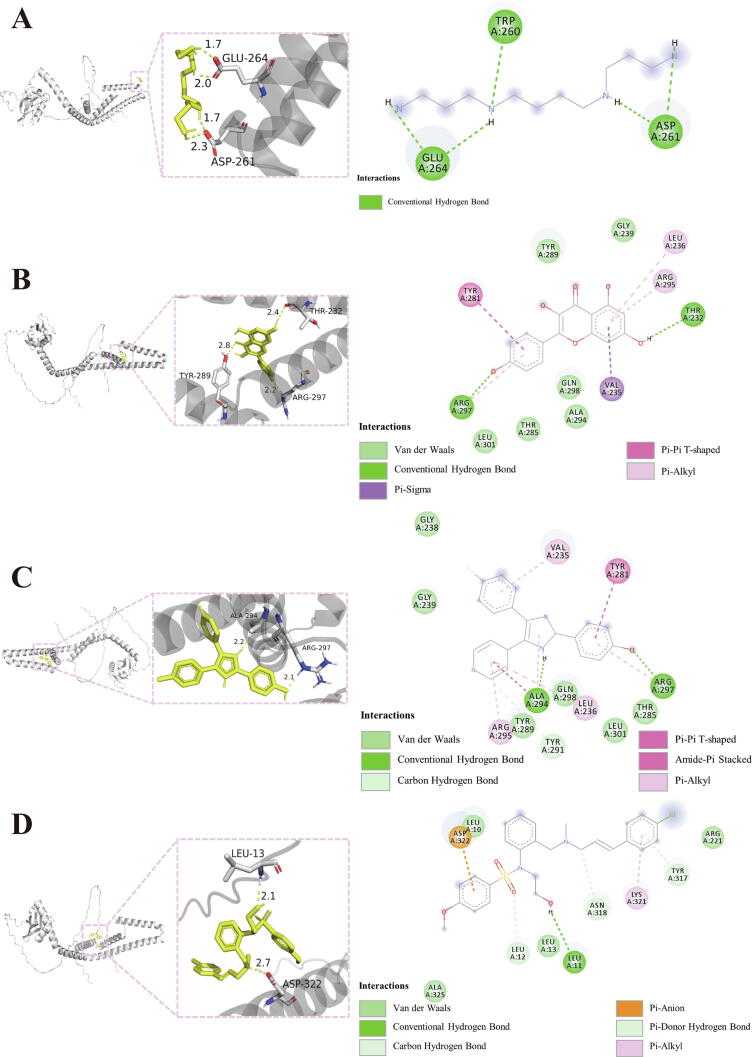
This article provides an in-depth analysis of the current research status of the MCU complex, focusing on its molecular composition, regulatory mechanisms, and association with diseases. In addition, we conducted an in-depth analysis of the regulatory effects of agonists, inhibitors, and traditional Chinese medicine (TCM) monomers on the MCU complex and their application prospects in disease treatment. From the perspective of medicinal chemistry, we conducted an in-depth analysis of the structure-activity relationship between these small molecules and MCU and deduced potential pharmacophores and binding pockets. Simultaneously, key structural domains of the MCU complex in Homo sapiens were identified. We also studied the functional expression of the MCU complex in Drosophila, Zebrafish, and Caenorhabditis elegans. These analyses provide a basis for exploring potential treatment strategies targeting the MCU complex and provide strong support for the development of future precision medicine and treatments.
The MCU complex exhibits varying behavior across different tissues and plays various roles in metabolic functions. It consists of six MCU subunits, an essential MCU regulator (EMRE), and solute carrier 25A23 (SLC25A23). They regulate processes, such as mitochondrial Ca (mCa) uptake, mitochondrial adenosine triphosphate (ATP) production, calcium dynamics, oxidative stress (OS), and cell death. Regulation makes it a potential target for treating diseases, especially cardiovascular diseases, neurodegenerative diseases, inflammatory diseases, metabolic diseases, and tumors.
在全球范围内,多种人类疾病的发生和发展与线粒体功能障碍以及由线粒体钙单向转运体(MCU)复合物介导的钙摄取动力学失调有关,该复合物在线粒体功能障碍中起关键作用。尽管有相关研究,但潜在的病理生理机制尚未完全阐明。
本文对MCU复合物的当前研究现状进行了深入分析,重点关注其分子组成、调节机制以及与疾病的关联。此外,我们对激动剂、抑制剂和中药单体对MCU复合物的调节作用及其在疾病治疗中的应用前景进行了深入分析。从药物化学的角度,我们对这些小分子与MCU之间的构效关系进行了深入分析,并推导了潜在的药效团和结合口袋。同时,鉴定了人类MCU复合物的关键结构域。我们还研究了MCU复合物在果蝇、斑马鱼和秀丽隐杆线虫中的功能表达。这些分析为探索针对MCU复合物的潜在治疗策略提供了依据,并为未来精准医学和治疗方法的发展提供了有力支持。
MCU复合物在不同组织中表现出不同的行为,并在代谢功能中发挥多种作用。它由六个MCU亚基、一个必需的MCU调节剂(EMRE)和溶质载体25A23(SLC25A23)组成。它们调节线粒体钙(mCa)摄取、线粒体三磷酸腺苷(ATP)生成、钙动力学、氧化应激(OS)和细胞死亡等过程。这种调节使其成为治疗疾病的潜在靶点,尤其是心血管疾病、神经退行性疾病、炎症性疾病、代谢性疾病和肿瘤。