Human Biology Division, Fred Hutchinson Cancer Center, Seattle, WA, USA.
Molecular Engineering and Sciences Institute, University of Washington, Seattle, WA, USA.
Nat Genet. 2024 Mar;56(3):371-376. doi: 10.1038/s41588-024-01674-1. Epub 2024 Feb 29.
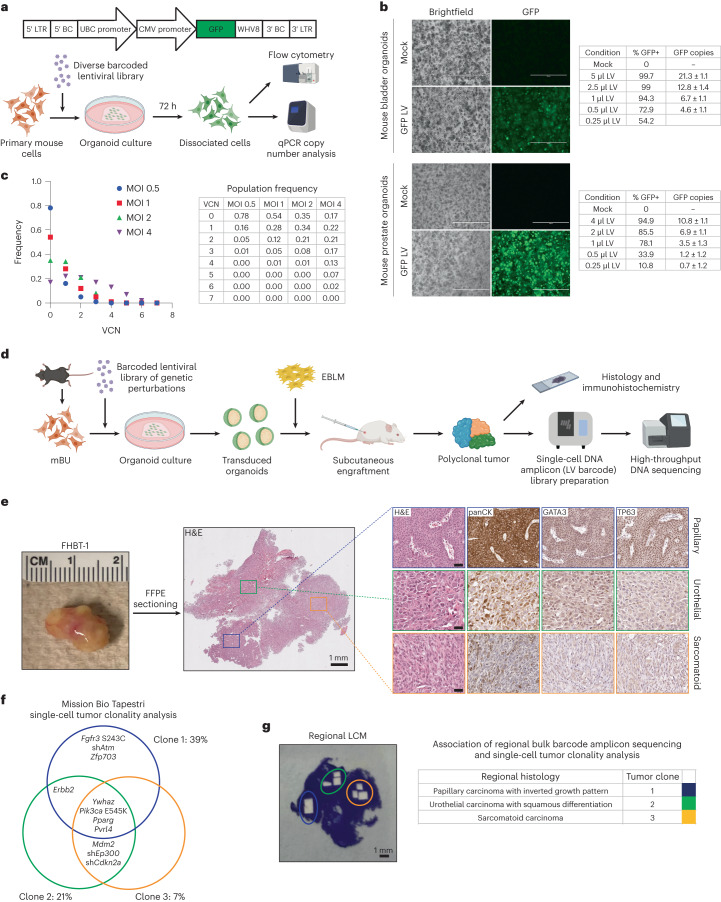
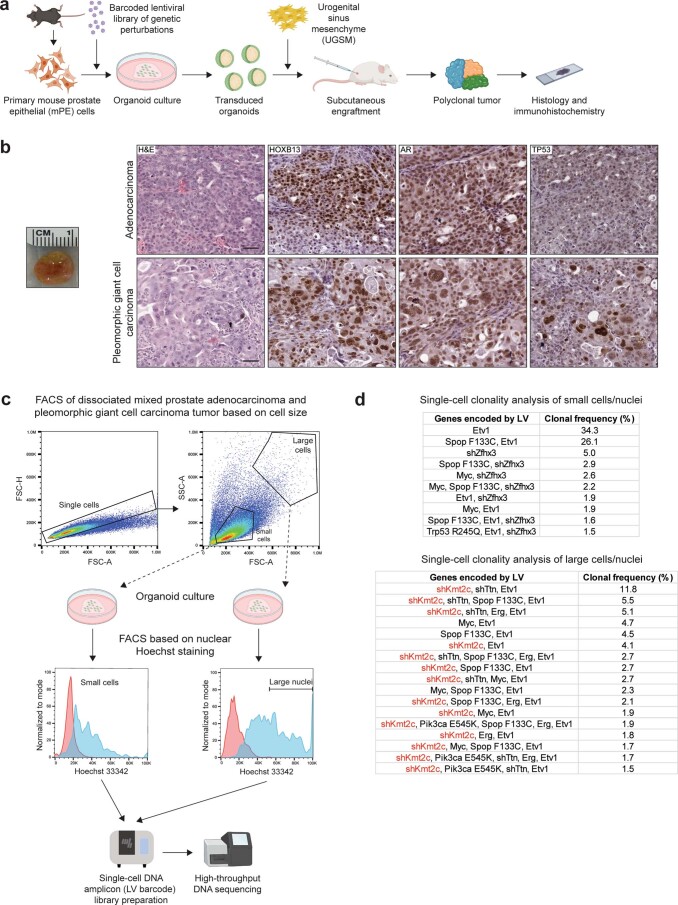
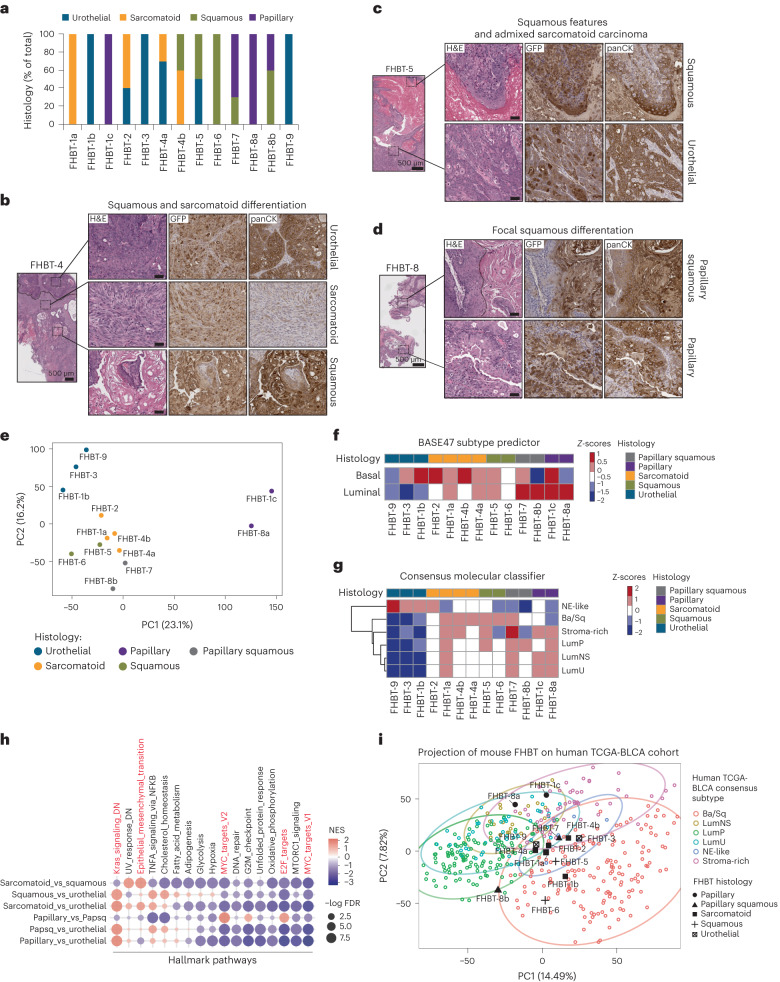
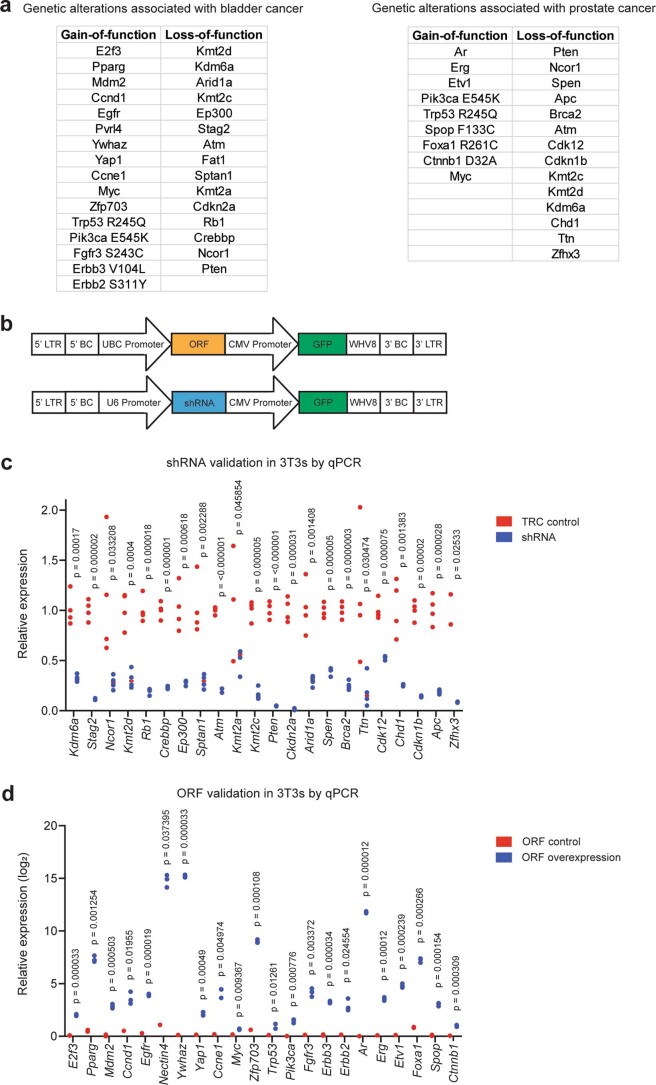
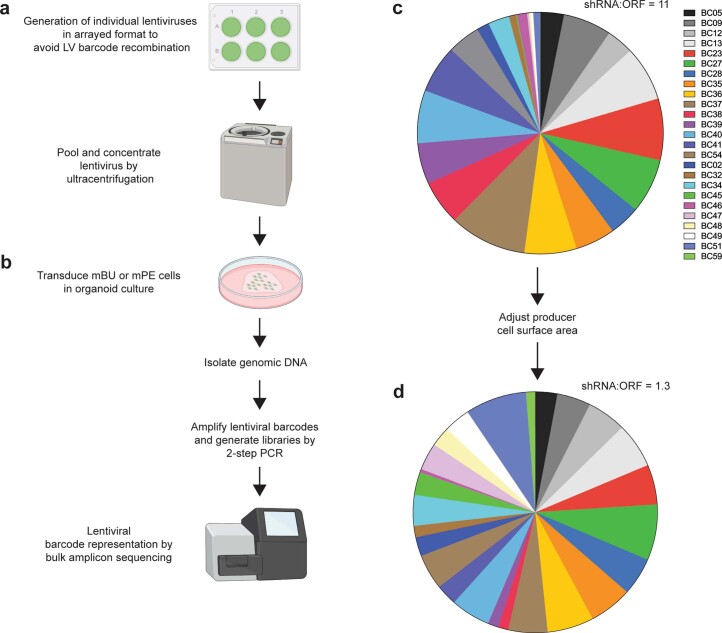
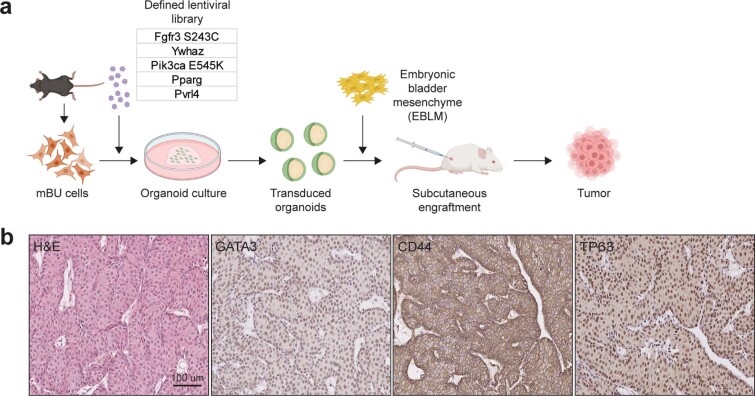
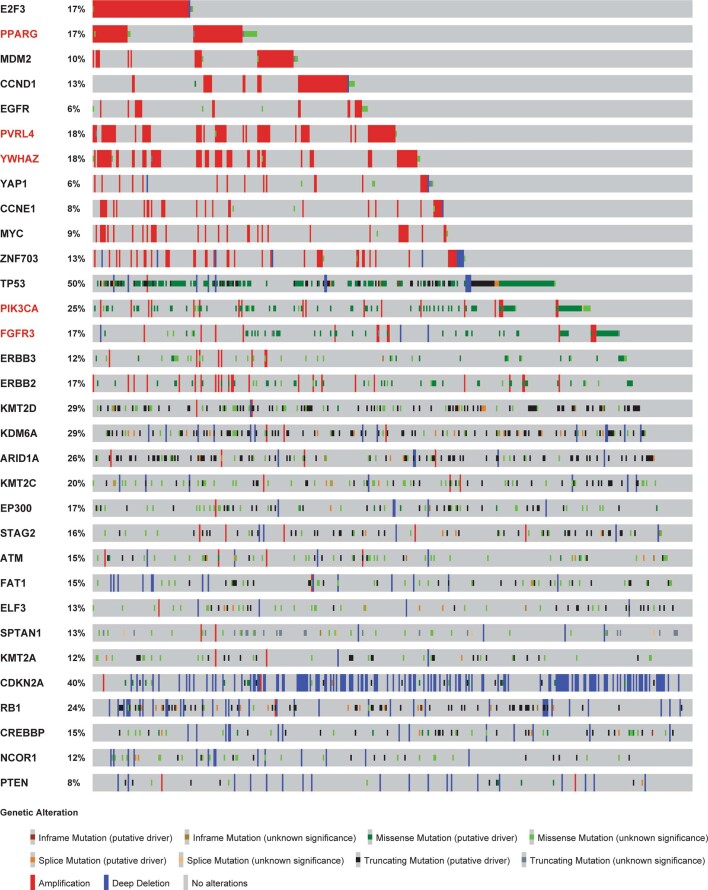
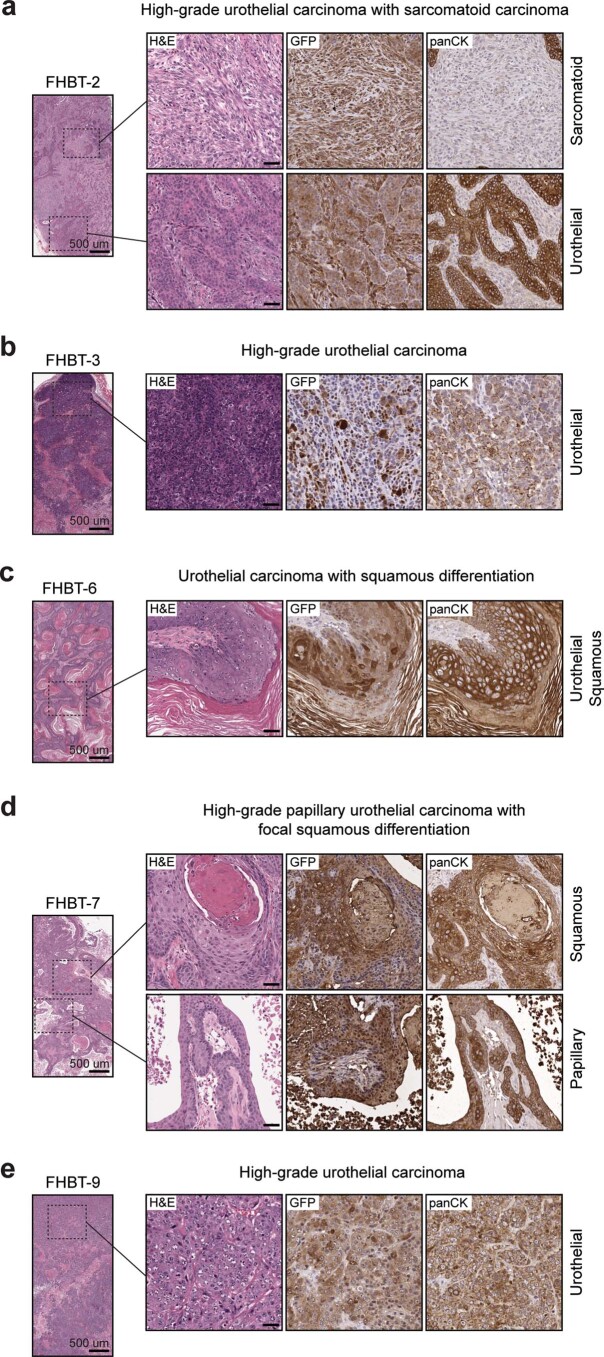
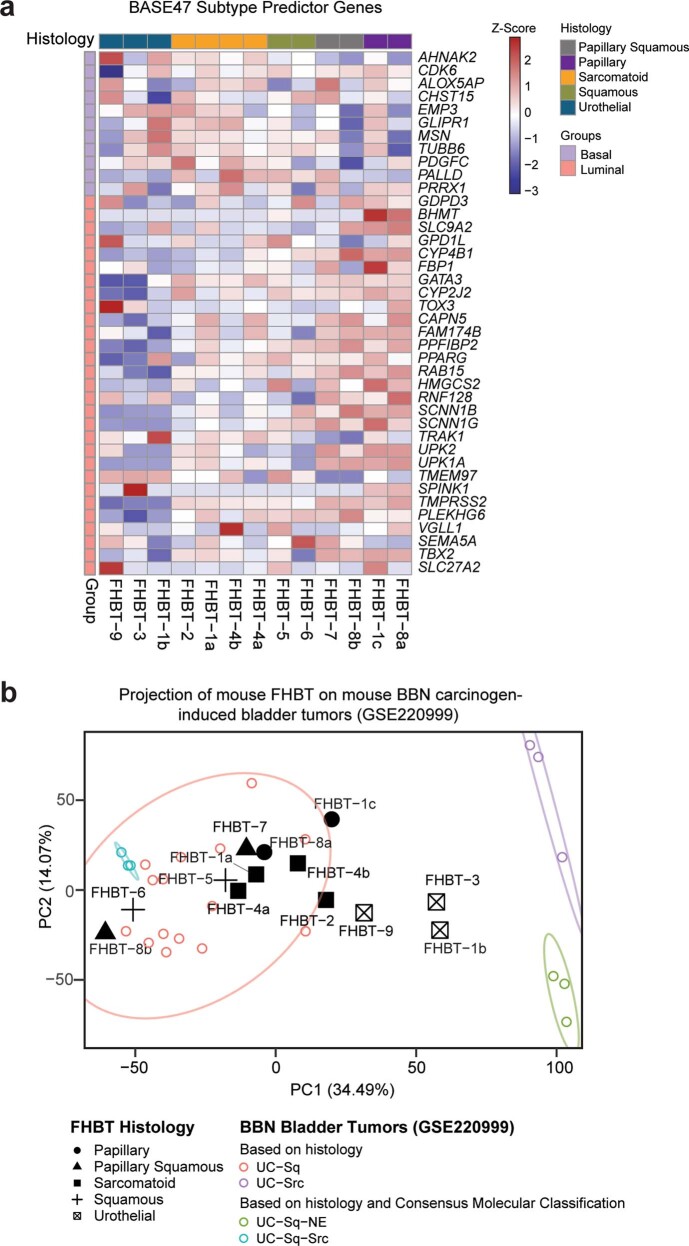
Available genetically defined cancer models are limited in genotypic and phenotypic complexity and underrepresent the heterogeneity of human cancer. Here, we describe a combinatorial genetic strategy applied to an organoid transformation assay to rapidly generate diverse, clinically relevant bladder and prostate cancer models. Importantly, the clonal architecture of the resultant tumors can be resolved using single-cell or spatially resolved next-generation sequencing to uncover polygenic drivers of cancer phenotypes.
现有的基因定义癌症模型在基因型和表型复杂性方面受到限制,并且不能代表人类癌症的异质性。在这里,我们描述了一种组合遗传策略,应用于类器官转化测定法,以快速产生多样化的、具有临床相关性的膀胱和前列腺癌模型。重要的是,使用单细胞或空间分辨的下一代测序可以解析所得肿瘤的克隆结构,以揭示癌症表型的多基因驱动因素。