Department of Oncology, Division of Thoracic Neoplasms, The Second Hospital of Dalian Medical University, Dalian, Liaoning 116000, P.R. China.
Department of Ophthalmology, The Second Hospital of Dalian Medical University, Dalian, Liaoning 116000, P.R. China.
Int J Oncol. 2024 Apr;64(4). doi: 10.3892/ijo.2024.5632. Epub 2024 Mar 1.
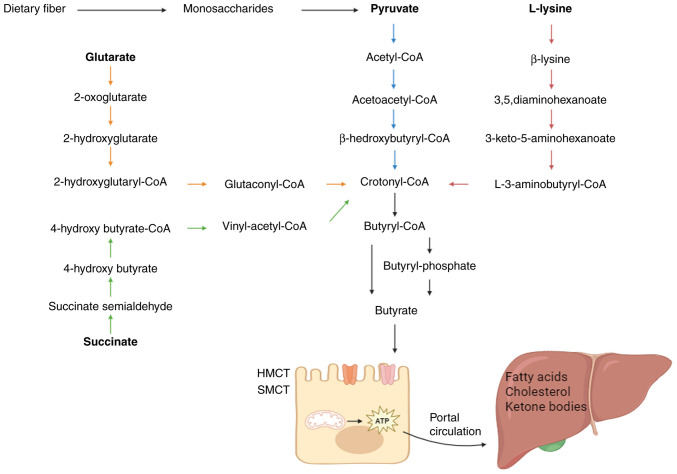
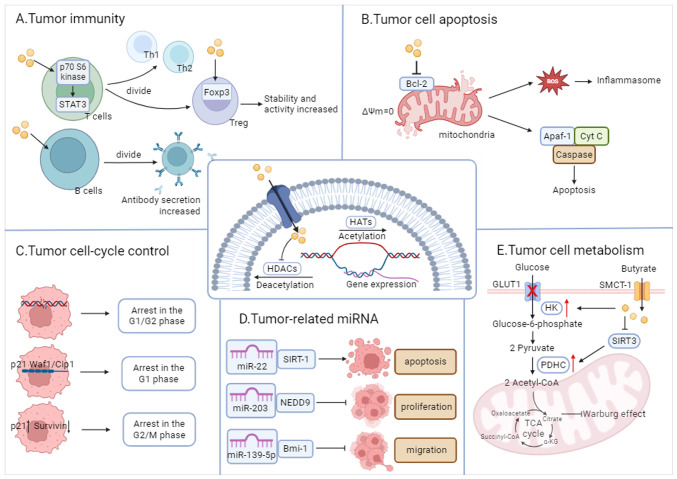
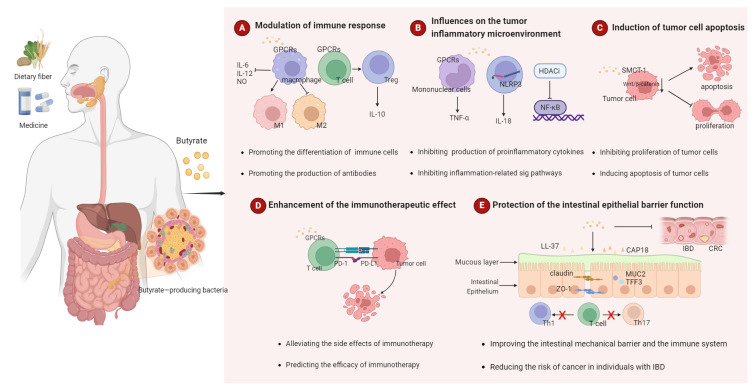
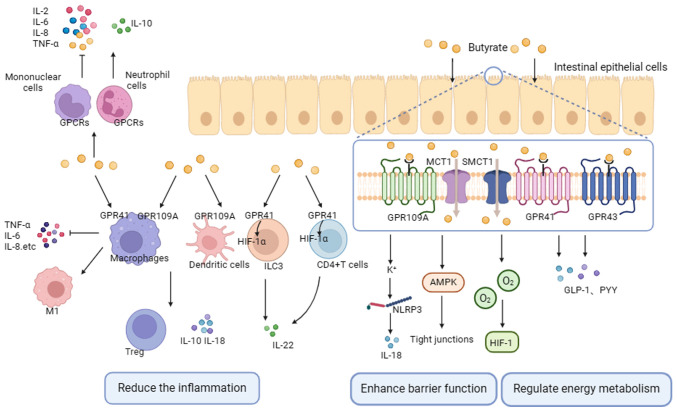
Cancer is one of the leading causes of mortality worldwide. The etiology of cancer has not been fully elucidated yet, and further enhancements are necessary to optimize therapeutic efficacy. Butyrate, a short‑chain fatty acid, is generated through gut microbial fermentation of dietary fiber. Studies have unveiled the relevance of butyrate in malignant neoplasms, and a comprehensive understanding of its role in cancer is imperative for realizing its full potential in oncological treatment. Its full antineoplastic effects via the activation of G protein‑coupled receptors and the inhibition of histone deacetylases have been also confirmed. However, the underlying mechanistic details remain unclear. The present study aimed to review the involvement of butyrate in carcinogenesis and its molecular mechanisms, with a particular emphasis on its association with the efficacy of tumor immunotherapy, as well as discussing relevant clinical studies on butyrate as a therapeutic target for neoplastic diseases to provide new insights into cancer treatment.
癌症是全球主要死因之一。癌症的病因尚未完全阐明,需要进一步加强研究以优化治疗效果。丁酸盐是一种短链脂肪酸,通过膳食纤维的肠道微生物发酵产生。研究揭示了丁酸盐与恶性肿瘤的相关性,全面了解其在癌症中的作用对于实现其在肿瘤治疗中的全部潜力至关重要。其通过激活 G 蛋白偶联受体和抑制组蛋白去乙酰化酶的全面抗肿瘤作用已得到证实。然而,其潜在的机制细节尚不清楚。本研究旨在综述丁酸盐在致癌作用及其分子机制中的作用,特别关注其与肿瘤免疫治疗疗效的关系,并讨论丁酸盐作为治疗肿瘤疾病的治疗靶点的相关临床研究,为癌症治疗提供新的思路。