Khosravi Mohsen, Zare Zahra, Mojtabaeian Seyyed Morteza, Izadi Reyhane
Department of Health Care Management, School of Management and Information Sciences, Shiraz University of Medical Sciences, Shiraz, Iran.
Department of Healthcare Economics, School of Management and Medical Informatics, Shiraz University of Medical Sciences, Shiraz, Iran.
Health Serv Res Manag Epidemiol. 2024 Mar 5;11:23333928241234863. doi: 10.1177/23333928241234863. eCollection 2024 Jan-Dec.
The use of artificial intelligence (AI), which can emulate human intelligence and enhance clinical results, has grown in healthcare decision-making due to the digitalization effects and the COVID-19 pandemic. The purpose of this study was to determine the scope of applications of AI tools in the decision-making process in healthcare service delivery networks.
This study used a qualitative method to conduct a systematic review of the existing reviews. Review articles published between 2000 and 2024 in English-language were searched in PubMed, Scopus, ProQuest, and Cochrane databases. The CASP (Critical Appraisal Skills Programme) Checklist for Systematic Reviews was used to evaluate the quality of the articles. Based on the eligibility criteria, the final articles were selected and the data extraction was done independently by 2 authors. Finally, the thematic analysis approach was used to analyze the data extracted from the selected articles.
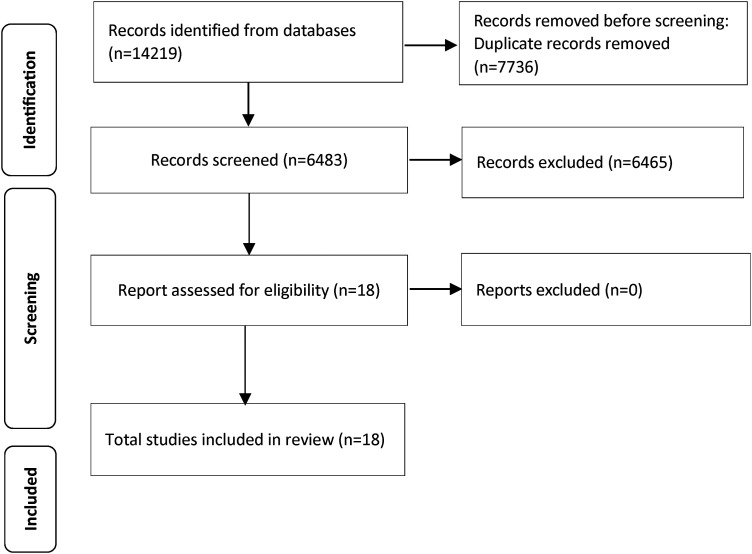
Of the 14 219 identified records, 18 review articles were eligible and included in the analysis, which covered the findings of 669 other articles. The quality assessment score of all reviewed articles was high. And, the thematic analysis of the data identified 3 main themes including clinical decision-making, organizational decision-making, and shared decision-making; which originated from 8 subthemes.
This study revealed that AI tools have been applied in various aspects of healthcare decision-making. The use of AI can improve the quality, efficiency, and effectiveness of healthcare services by providing accurate, timely, and personalized information to support decision-making. Further research is needed to explore the best practices and standards for implementing AI in healthcare decision-making.
由于数字化效应和新冠疫情,能够模拟人类智能并改善临床结果的人工智能(AI)在医疗保健决策中的应用有所增加。本研究的目的是确定人工智能工具在医疗服务提供网络决策过程中的应用范围。
本研究采用定性方法对现有综述进行系统评价。在PubMed、Scopus、ProQuest和Cochrane数据库中检索2000年至2024年期间发表的英文综述文章。使用系统评价的CASP(批判性评估技能计划)清单来评估文章质量。根据纳入标准,选择最终文章,由两名作者独立进行数据提取。最后,采用主题分析方法对从所选文章中提取的数据进行分析。
在14219条识别记录中,有18篇综述文章符合纳入标准并被纳入分析,这些文章涵盖了其他669篇文章的研究结果。所有纳入综述文章的质量评估得分都很高。并且,对数据的主题分析确定了3个主要主题,包括临床决策、组织决策和共同决策;这些主题源自8个子主题。
本研究表明,人工智能工具已应用于医疗保健决策的各个方面。人工智能的使用可以通过提供准确、及时和个性化的信息来支持决策,从而提高医疗服务的质量、效率和效果。需要进一步研究以探索在医疗保健决策中实施人工智能的最佳实践和标准。