Allemann Marco N, Tessman Marissa, Reindel Jaysen, Scofield Gordon B, Evans Payton, Pomeroy Robert S, Burkart Michael D, Mayfield Stephen P, Simkovsky Ryan
Algenesis Corporation, 11760 Sorrento Valley Rd. Suite J, San Diego, CA, 92121, USA.
Department of Chemistry and Biochemistry, University of California, San Diego, 9500 Gilman Drive, La Jolla, CA, 92093, USA.
Sci Rep. 2024 Mar 12;14(1):6036. doi: 10.1038/s41598-024-56492-6.
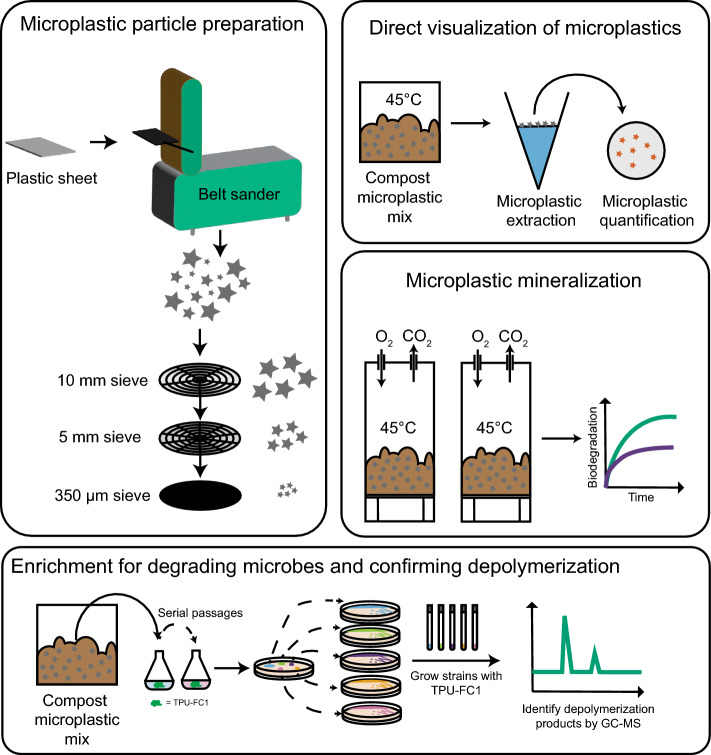
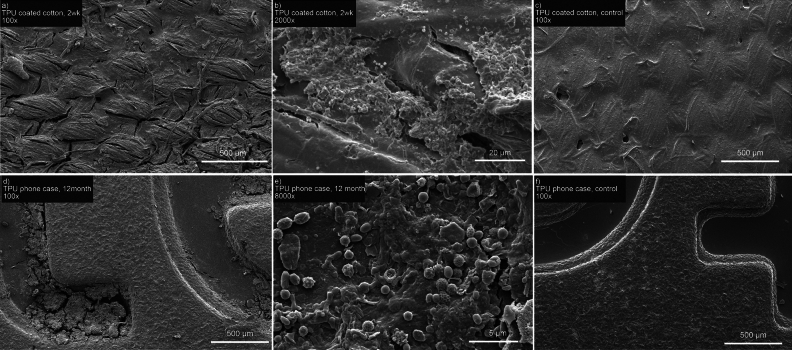
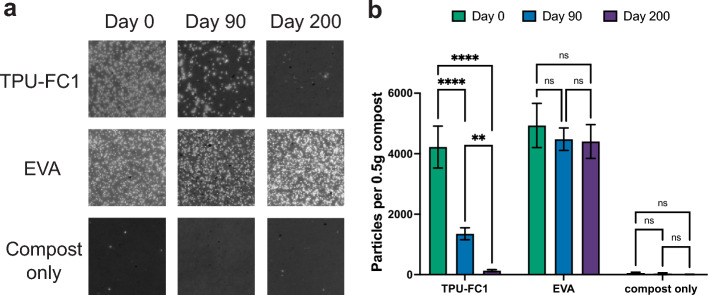
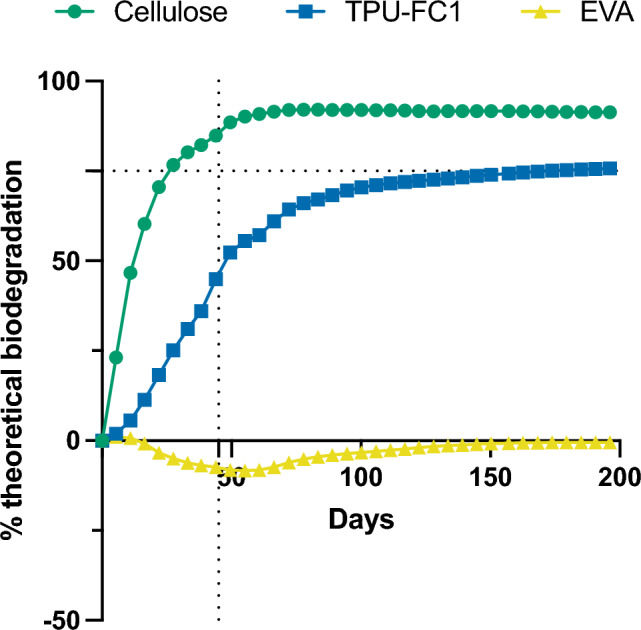
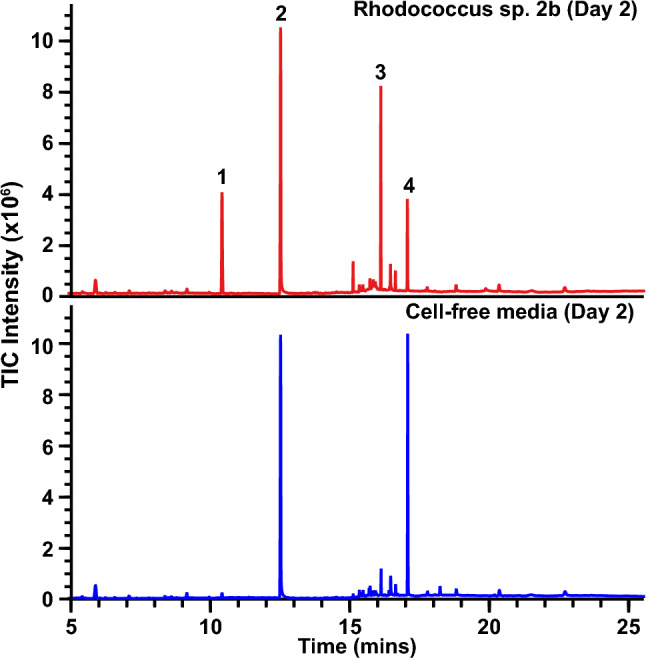
The accumulation of microplastics in various ecosystems has now been well documented and recent evidence suggests detrimental effects on various biological processes due to this pollution. Accumulation of microplastics in the natural environment is ultimately due to the chemical nature of widely used petroleum-based plastic polymers, which typically are inaccessible to biological processing. One way to mitigate this crisis is adoption of plastics that biodegrade if released into natural environments. In this work, we generated microplastic particles from a bio-based, biodegradable thermoplastic polyurethane (TPU-FC1) and demonstrated their rapid biodegradation via direct visualization and respirometry. Furthermore, we isolated multiple bacterial strains capable of using TPU-FC1 as a sole carbon source and characterized their depolymerization products. To visualize biodegradation of TPU materials as real-world products, we generated TPU-coated cotton fabric and an injection molded phone case and documented biodegradation by direct visualization and scanning electron microscopy (SEM), both of which indicated clear structural degradation of these materials and significant biofilm formation.
微塑料在各种生态系统中的积累现已得到充分记录,最近的证据表明,这种污染会对各种生物过程产生有害影响。微塑料在自然环境中的积累最终归因于广泛使用的石油基塑料聚合物的化学性质,这些聚合物通常无法进行生物处理。缓解这一危机的一种方法是采用如果释放到自然环境中就会生物降解的塑料。在这项工作中,我们从一种生物基、可生物降解的热塑性聚氨酯(TPU-FC1)中生成了微塑料颗粒,并通过直接可视化和呼吸测定法证明了它们的快速生物降解。此外,我们分离出了多种能够将TPU-FC1用作唯一碳源的细菌菌株,并对它们的解聚产物进行了表征。为了可视化TPU材料作为实际产品的生物降解情况,我们制作了TPU涂层棉织物和注塑手机壳,并通过直接可视化和扫描电子显微镜(SEM)记录了生物降解情况,这两者都表明这些材料的结构明显降解且形成了大量生物膜。