Australian Research Council Centre of Excellence in Population Ageing Research (CEPAR), University of New South Wales, Sydney, NSW, Australia.
School of Risk and Actuarial Studies, University of New South Wales, Sydney, NSW, Australia.
Glob Health Res Policy. 2024 Mar 15;9(1):10. doi: 10.1186/s41256-024-00349-y.
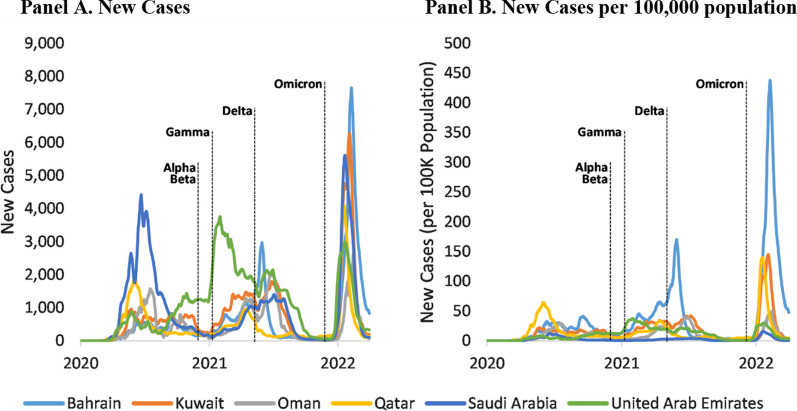
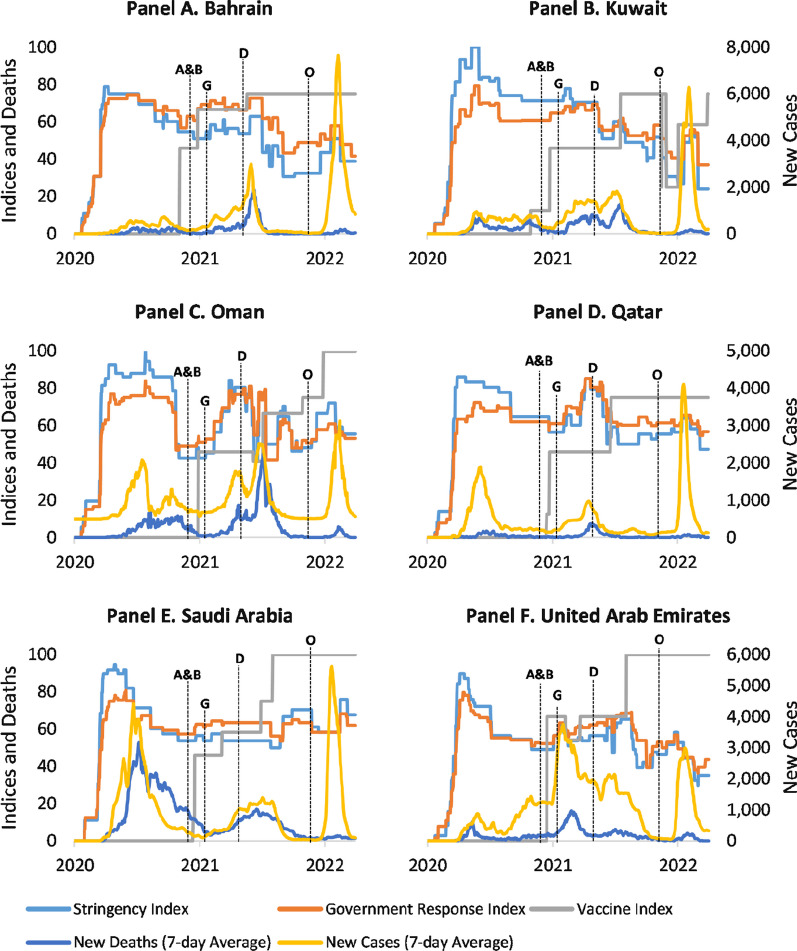
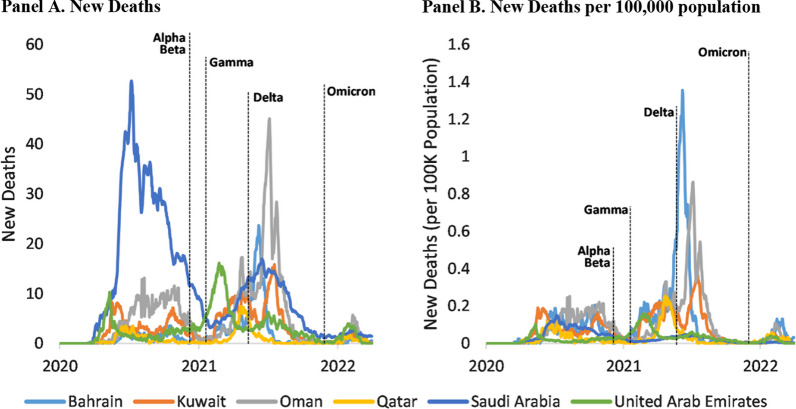
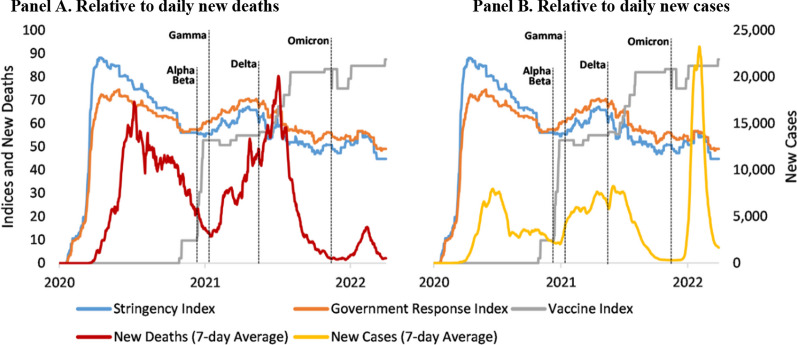
The COVID-19 pandemic has dramatically threatened the Gulf Cooperation Council (GCC) countries which have a large proportion of foreign workers. The governments of GCC countries have proactively implemented a comprehensive set of policy measures, and up to our knowledge, a systematic analysis of qualitative and quantitative evidence on the government response is still lacking. We summarized the GCC countries' government response and quantitatively measured that response using four indexes-the Government Response Index, the Stringency Index, the Vaccine Index, and the Initial Response Index, to analyse their response for future pandemic preparedness. Overall, the government response of all the GCC countries to the COVID-19 pandemic has been comprehensive, stringent, and timely. Notably, the GCC countries have implemented comprehensive vaccine policies. In addition, they have worked actively to protect foreign workers to improve their access to health services and secure their essential living conditions, regardless of their immigrant status. All the GCC countries dynamically adjusted their response to the evolving COVID-19 epidemiological burden and started to relax the stringency of the control policies after the Omicron wave, though the governments had different response magnitudes as measured by the four indexes. These findings have provided several important lessons for future pandemic response and preparedness for countries with similar economic, demographic, and health contexts in (1) prompt actions of containment and closure policies with dynamic adjusting, (2) strengthening health system policies, (3) comprehensive vaccination policies with universal access, (4) equitable and free access to testing, diagnosis, and treatment for all, and (5) strengthening the resilience of health systems.
新型冠状病毒肺炎疫情对海湾合作委员会(GCC)国家构成了巨大威胁,这些国家有很大比例的外国工人。GCC 国家的政府已积极实施了一整套政策措施,但据我们所知,仍然缺乏对政府应对措施的定性和定量证据的系统分析。我们总结了 GCC 国家的政府应对措施,并使用政府应对指数、严格指数、疫苗指数和初始应对指数这四个指数对其应对措施进行了定量衡量,以分析其对未来大流行的防范。总的来说,所有 GCC 国家对 COVID-19 大流行的政府应对措施都是全面、严格和及时的。值得注意的是,GCC 国家实施了全面的疫苗政策。此外,他们积极努力保护外国工人,改善他们获得医疗服务的机会,并确保他们的基本生活条件,无论他们的移民身份如何。所有 GCC 国家都根据 COVID-19 流行病学负担的变化动态调整了应对措施,并在奥密克戎浪潮后开始放宽控制政策的严格程度,尽管各国在四项指数衡量的应对力度上有所不同。这些发现为未来具有类似经济、人口和卫生背景的国家的大流行应对和防范提供了一些重要经验教训,包括:(1)及时采取遏制和关闭政策,并进行动态调整;(2)加强卫生系统政策;(3)全面普及疫苗接种政策;(4)为所有人提供公平和免费的检测、诊断和治疗机会;(5)加强卫生系统的弹性。