Liu Ruifeng, Geng Yichao, Luo Hongtao, Zhang Qiuning, Yang Zhen, Li Shan, Sun Shilong, Liu Zhiqiang, Dong Meng, Du Tianqi, Che Tuanjie, Wang Xiaohu
Institute of Modern Physics, Chinese Academy of Sciences, Lanzhou, China.
Heavy Ion Medicine Center, Hospital of economic and Technological Development Zone, Wuhan Renmin Hospital of University, Wuhan, China.
J Cancer. 2024 Feb 25;15(8):2245-2259. doi: 10.7150/jca.91559. eCollection 2024.
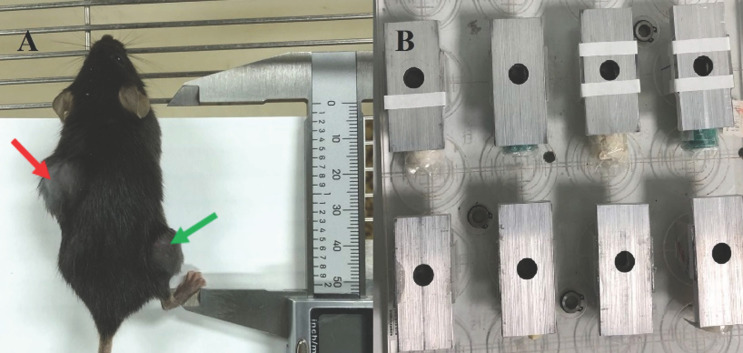
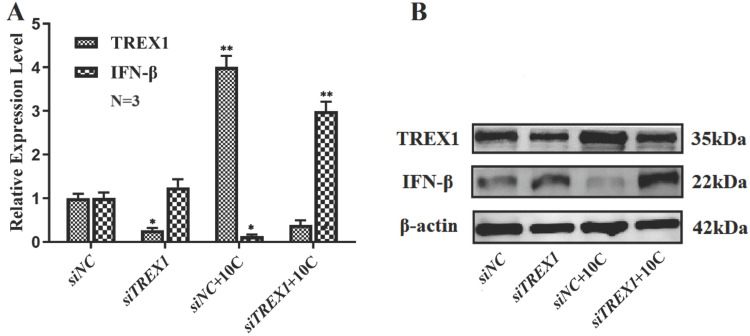
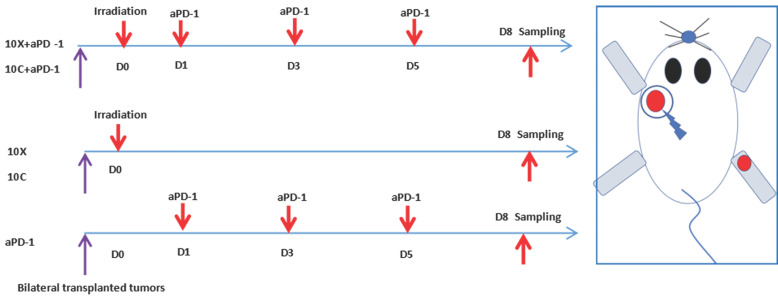
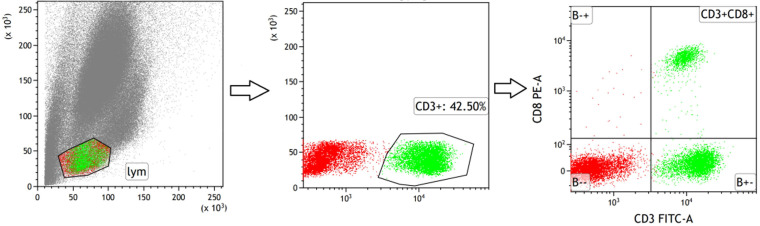
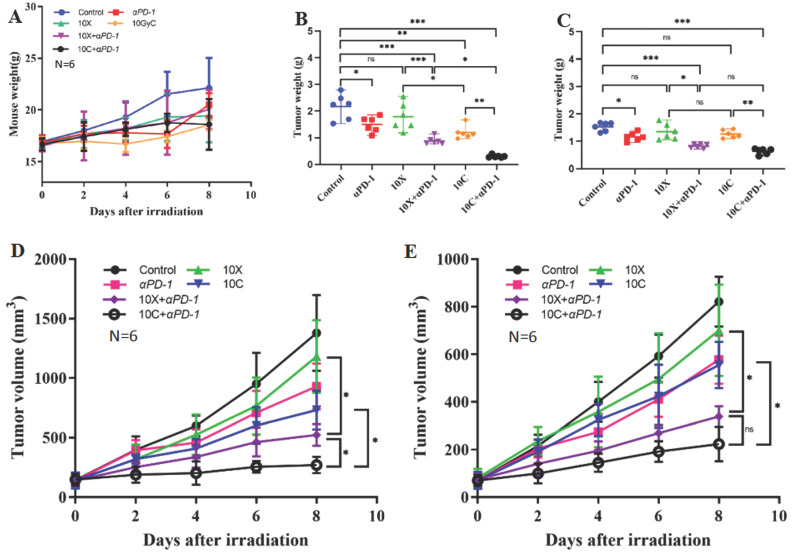
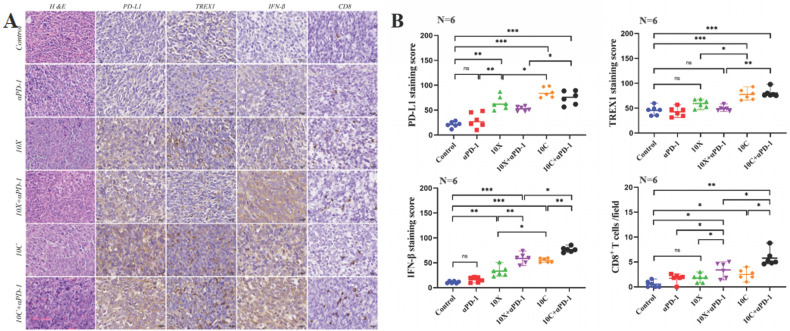
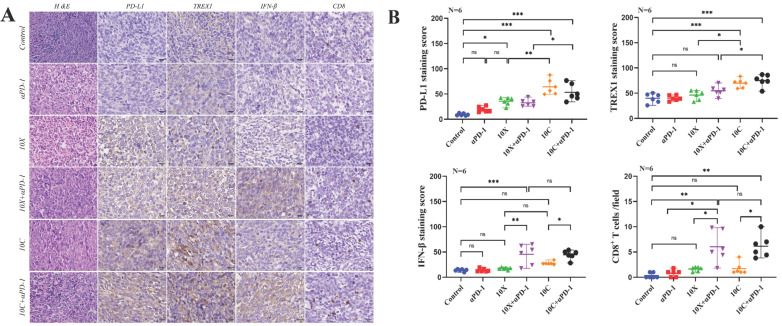
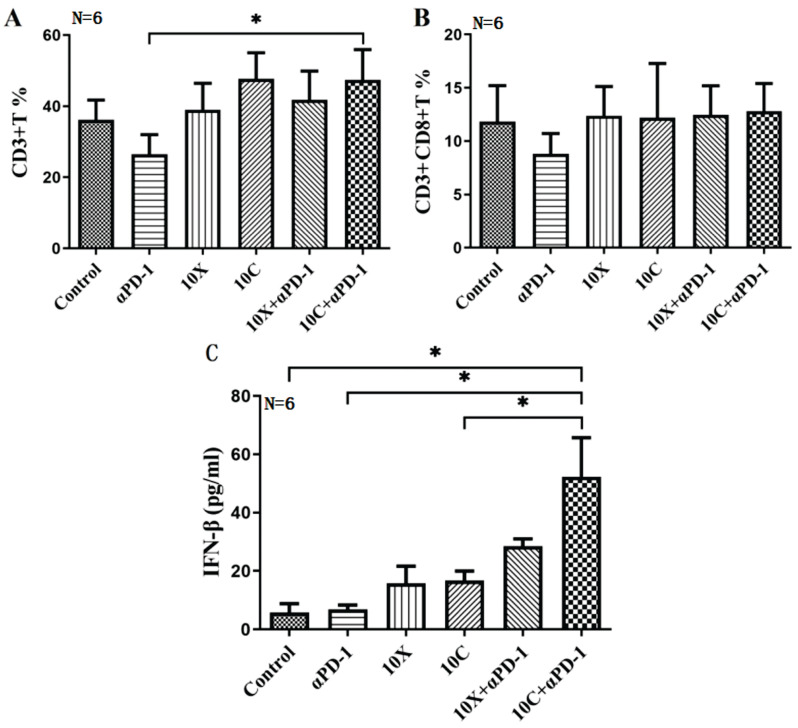
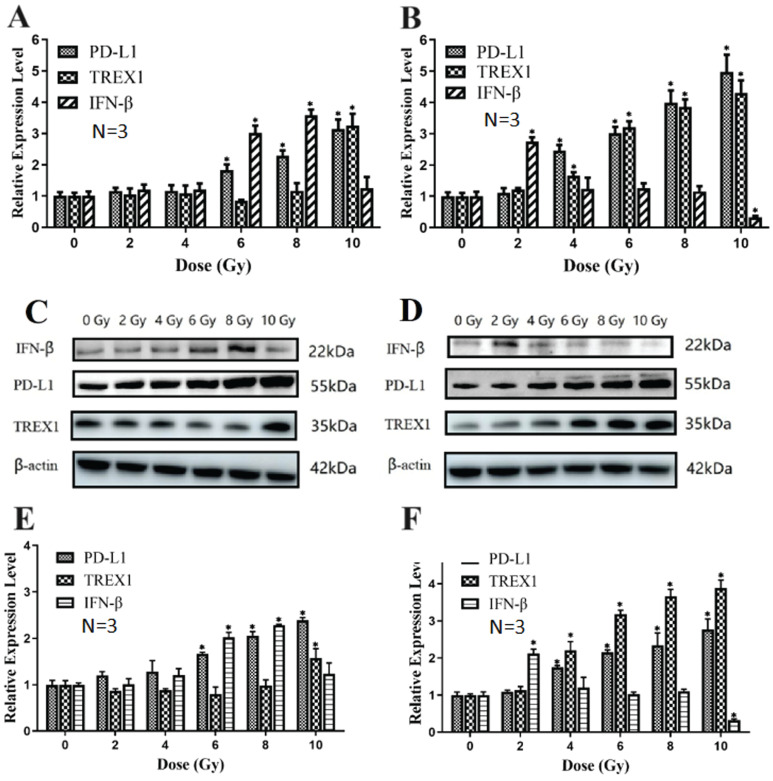
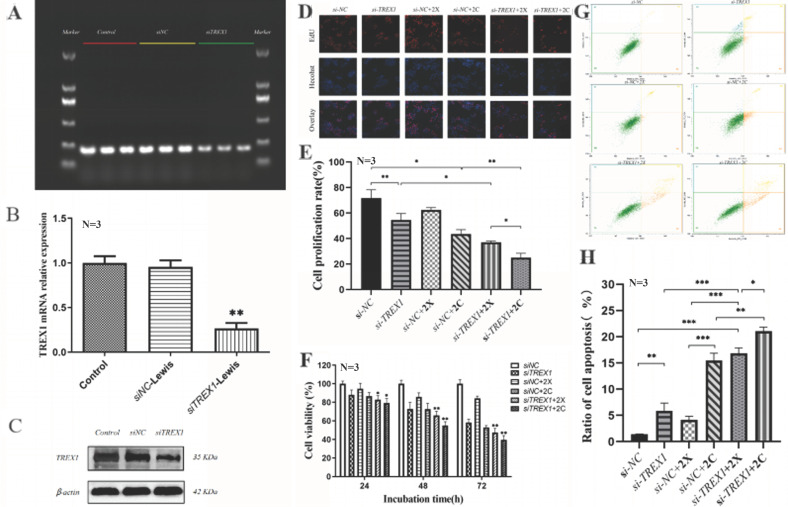
Carbon ion beam is radio-biologically more efficient than photons and is beneficial for treating radio-resistant tumors. Several animal experiments with tumor-bearing suggest that carbon ion beam irradiation in combination with immunotherapy yields better results, especially in controlling distant metastases. This implies that carbon ion induces a different anti-tumor immune response than photon beam. More complex molecular mechanisms need to be uncovered. This in vivo and in vitro experiment was carried out in order to examine the radio-immune effects and the mechanism of action of carbon ion beam versus X-ray in combination with PD-1 inhibitors. Lewis lung adenocarcinoma cells and C57BL/6 mice were used to create a tumor-bearing mouse model, with the non-irradiated tumor growing on the right hind leg and the irradiated tumor on the left rear. 10Gy carbon ion beam or X-ray radiation, either alone or in combination with PD-1 inhibitor, were used to treat the left back tumor. The expression of molecules linked to immunogenicity and the infiltration of CD8+ T lymphocytes into tumor tissues were both identified using immunohistochemistry. IFN-β in mouse serum was measured using an ELISA, while CD8+ T cells in mouse peripheral blood were measured using flow cytometry. Lewis cells were exposed to different dose of X-ray and carbon ion. TREX1, PD-L1, and IFN-β alterations in mRNA and protein levels were identified using Western blot or RT-PCR, respectively. TREX1 knockdown was created by siRNA transfection and exposed to various radiations. Using the CCK8 test, EdU assay, and flow cytometry, changes in cell viability, proliferation, and apoptosis rate were discovered. Bilateral tumors were significantly inhibited by the use of carbon ion or X-ray in combination with PD-1, particularly to non-irradiated tumor(p<0.05). The percentage of infiltrating CD8+ T cells and the level of IFN-β expression were both raised by 10Gy carbon ion irradiation in the irradiated side tumor, although PD-L1 and TREX1 expression levels were also elevated. Lewis cell in vitro experiment further demonstrated that both X-ray and carbon ion irradiation can up-regulate the expression levels of PD-L1 and TREX1 with dose-dependent in tumors, particularly the trend of up-regulation TREX1 is more apparent at a higher dose in carbon ion, i.e. 8 or 10Gy, while the level of IFN-β is decreased. IFN-β levels were considerably raised under hypofractionated doses of carbon ion radiation by gene silencing TREX1. By enhancing tumor immunogenicity and increasing CD8+T infiltration in TME through a threshold dosage, X-ray or carbon ion radiation and PD-1 inhibitors improve anti-tumor activity and cause abscopal effect in Lewis lung adenocarcinoma-bearing mice. TREX1 is a possible therapeutic target and prognostic marker.
碳离子束在放射生物学上比光子更有效,有利于治疗放射抗拒性肿瘤。多项荷瘤动物实验表明,碳离子束照射联合免疫疗法能产生更好的效果,尤其是在控制远处转移方面。这意味着碳离子诱导的抗肿瘤免疫反应与光子束不同。更复杂的分子机制有待揭示。本体内和体外实验旨在研究碳离子束与X射线联合PD-1抑制剂的放射免疫效应及其作用机制。采用Lewis肺癌细胞和C57BL/6小鼠建立荷瘤小鼠模型,右后肢生长未照射的肿瘤,左后肢生长照射的肿瘤。使用10Gy碳离子束或X射线辐射,单独或联合PD-1抑制剂,对左背部肿瘤进行治疗。采用免疫组织化学法鉴定与免疫原性相关分子的表达及CD8+ T淋巴细胞向肿瘤组织的浸润情况。采用ELISA法检测小鼠血清中的IFN-β,采用流式细胞术检测小鼠外周血中的CD8+ T细胞。将Lewis细胞暴露于不同剂量的X射线和碳离子。分别采用蛋白质免疫印迹法或RT-PCR法鉴定TREX1、PD-L1和IFN-β在mRNA和蛋白水平的变化。通过siRNA转染构建TREX1基因敲低模型,并使其暴露于各种辐射下。采用CCK8试验、EdU检测和流式细胞术,发现细胞活力、增殖和凋亡率的变化。碳离子或X射线联合PD-1可显著抑制双侧肿瘤,尤其是对未照射的肿瘤(p<0.05)。照射侧肿瘤经10Gy碳离子照射后,浸润的CD8+ T细胞百分比和IFN-β表达水平均升高,尽管PD-L1和TREX1表达水平也升高。Lewis细胞体外实验进一步表明,X射线和碳离子照射均可使肿瘤中PD-L1和TREX1的表达水平呈剂量依赖性上调,尤其是碳离子在较高剂量(即8或10Gy)时TREX1上调趋势更明显,而IFN-β水平降低。通过基因沉默TREX1,在低分割剂量碳离子辐射下IFN-β水平显著升高。X射线或碳离子辐射与PD-1抑制剂通过提高肿瘤免疫原性并通过阈值剂量增加TME中CD8+T浸润,从而提高抗肿瘤活性并在荷Lewis肺癌小鼠中产生远隔效应。TREX1是一个可能的治疗靶点和预后标志物。