Doszyn O, Dulski T, Zmorzynska J
Laboratory of Molecular and Cellular Neurobiology, International Institute of Molecular and Cell Biology in Warsaw (IIMCB), Warsaw, Poland.
Front Mol Neurosci. 2024 Mar 12;17:1358844. doi: 10.3389/fnmol.2024.1358844. eCollection 2024.
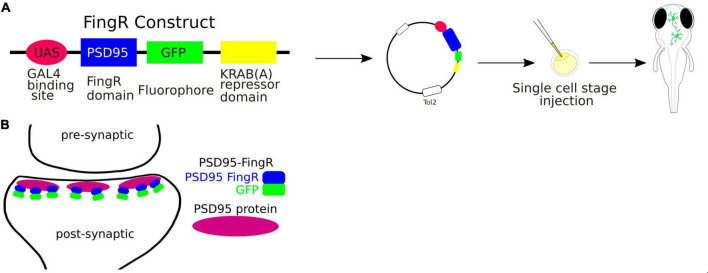
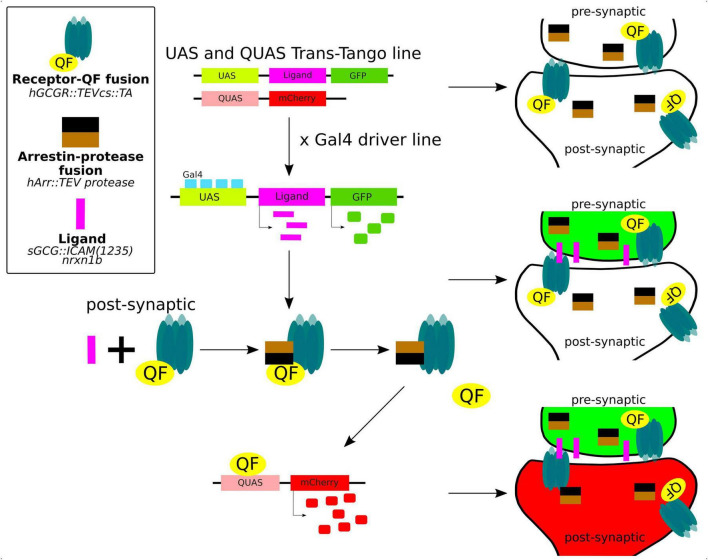
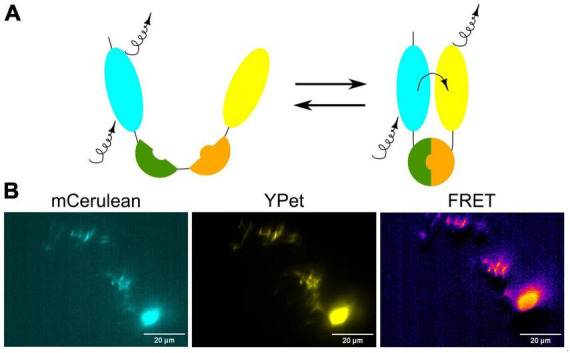
The zebrafish () is increasingly used in neuroscience research. Zebrafish are relatively easy to maintain, and their high fecundity makes them suitable for high-throughput experiments. Their small, transparent embryos and larvae allow for easy microscopic imaging of the developing brain. Zebrafish also share a high degree of genetic similarity with humans, and are amenable to genetic manipulation techniques, such as gene knockdown, knockout, or knock-in, which allows researchers to study the role of specific genes relevant to human brain development, function, and disease. Zebrafish can also serve as a model for behavioral studies, including locomotion, learning, and social interactions. In this review, we present state-of-the-art methods to study the brain function in zebrafish, including genetic tools for labeling single neurons and neuronal circuits, live imaging of neural activity, synaptic dynamics and protein interactions in the zebrafish brain, optogenetic manipulation, and the use of virtual reality technology for behavioral testing. We highlight the potential of zebrafish for neuroscience research, especially regarding brain development, neuronal circuits, and genetic-based disorders and discuss its certain limitations as a model.
斑马鱼()越来越多地用于神经科学研究。斑马鱼相对易于饲养,其高繁殖力使其适用于高通量实验。它们小而透明的胚胎和幼体便于对发育中的大脑进行显微成像。斑马鱼与人类也有高度的遗传相似性,并且适合进行基因操作技术,如基因敲低、敲除或敲入,这使研究人员能够研究与人类大脑发育、功能和疾病相关的特定基因的作用。斑马鱼还可以作为行为研究的模型,包括运动、学习和社交互动。在这篇综述中,我们介绍了研究斑马鱼大脑功能的最新方法,包括用于标记单个神经元和神经回路的遗传工具、神经活动的实时成像、斑马鱼大脑中的突触动力学和蛋白质相互作用、光遗传学操作以及使用虚拟现实技术进行行为测试。我们强调了斑马鱼在神经科学研究中的潜力,特别是在大脑发育、神经回路和基于基因的疾病方面,并讨论了其作为模型的某些局限性。