Department of Anatomy and Histology, College of Medicine, Qassim University, Buraydah 51452, Saudi Arabia.
Department of Anatomy and Embryology, College of Medicine, Cairo University, Cairo 11956, Egypt.
Biomolecules. 2024 Mar 1;14(3):297. doi: 10.3390/biom14030297.
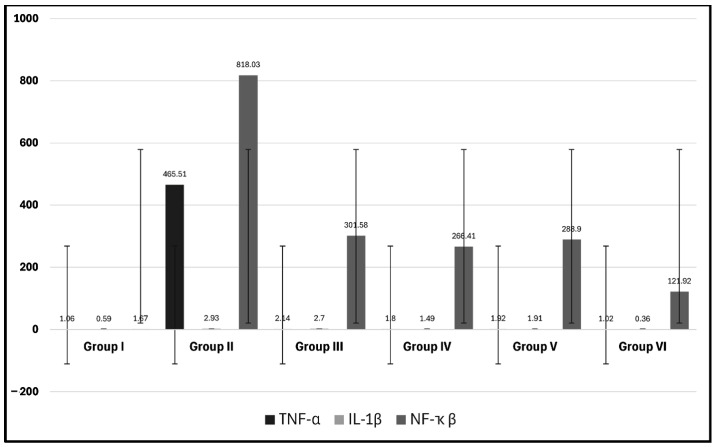
The distinctive feature of liver fibrosis is the progressive replacement of healthy hepatic cells by the extracellular matrix protein, which is abundant in collagen I and III, with impaired matrix remodeling. The activation of myofibroblastic cells enhances the fibrogenic response of complex interactions of hepatic stellate cells, fibroblasts, and inflammatory cells to produce the excessive deposition of the extracellular protein matrix. This process is activated by multiple fibrogenic mediators and cytokines, such as TNF-α and IL-1β, accompanied with a decrease in the anti-fibrogenic factor NF-κβ. Mesenchymal stem cells (MSCs) represent a promising therapy for liver fibrosis, allowing for a more advanced regenerative influence when cultured with extrinsic or intrinsic proliferative factors, cytokines, antioxidants, growth factors, and hormones such as melatonin (MT). However, previous studies showed conflicting findings concerning the therapeutic effects of adipose (AD) and bone marrow (BM) MSCs; therefore, the present work aimed to conduct a comparative and comprehensive study investigating the impact of MT pre-treatment on the immunomodulatory, anti-inflammatory, and anti-apoptotic effects of AD- and BM-MSCs and to critically analyze whether MT-pre-treated AD-MSCs and BM-MSCs reveal equal or different therapeutic and regenerative potentials in a CCl4-injured liver experimental rat model.
Six groups of experimental rats were used, with ten rats in each group: group I (control group), group II (CCl4-treated group), group III (CCl4- and BM-MSC-treated group), group IV (CCl4 and MT-pre-treated BM-MSC group), group V (CCl4- and AD-MSC-treated group), and group VI (CCl4 and MT-pre-treated AD-MSC group). Liver function tests and the gene expression of inflammatory, fibrogenic, apoptotic, and proliferative factors were analyzed. Histological and immunohistochemical changes were assessed.
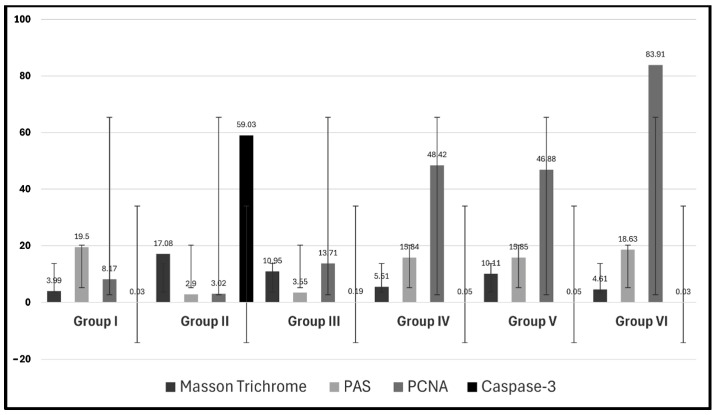
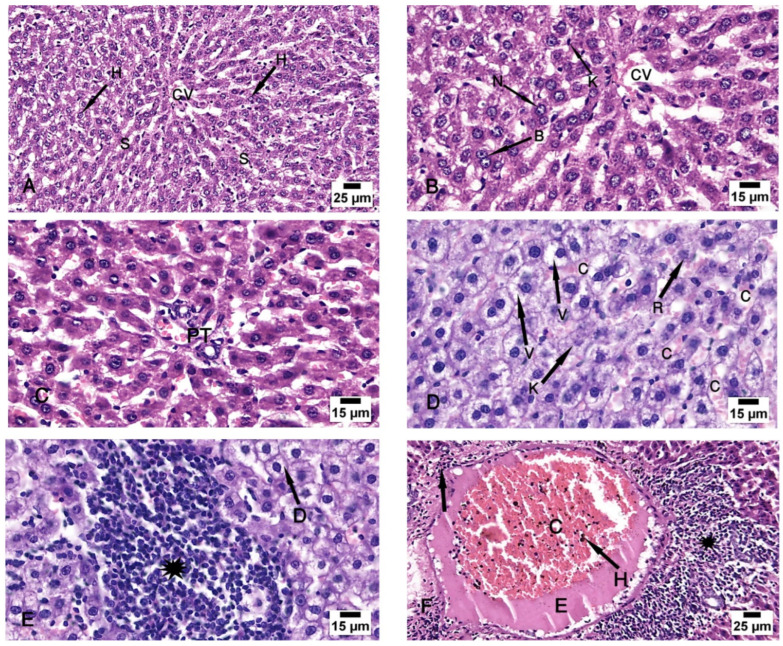
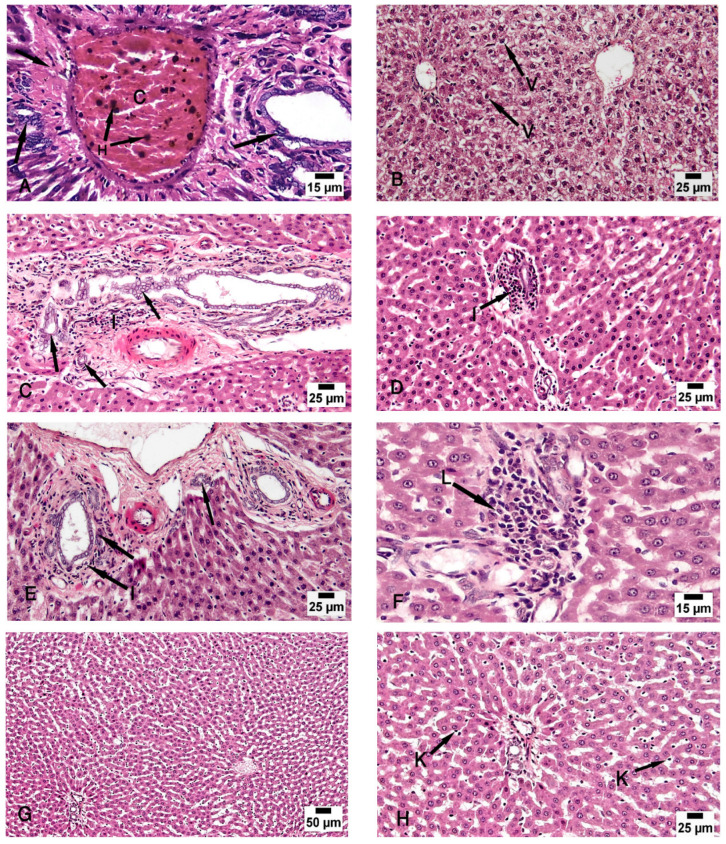
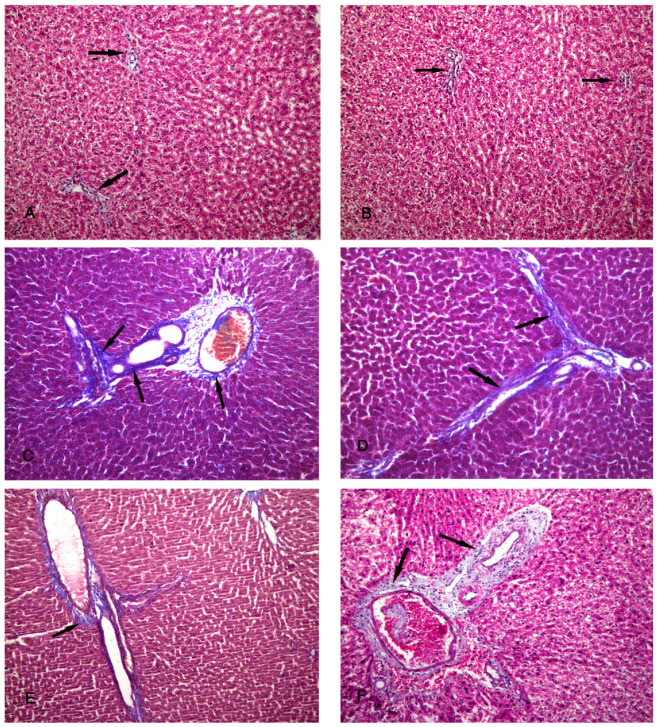
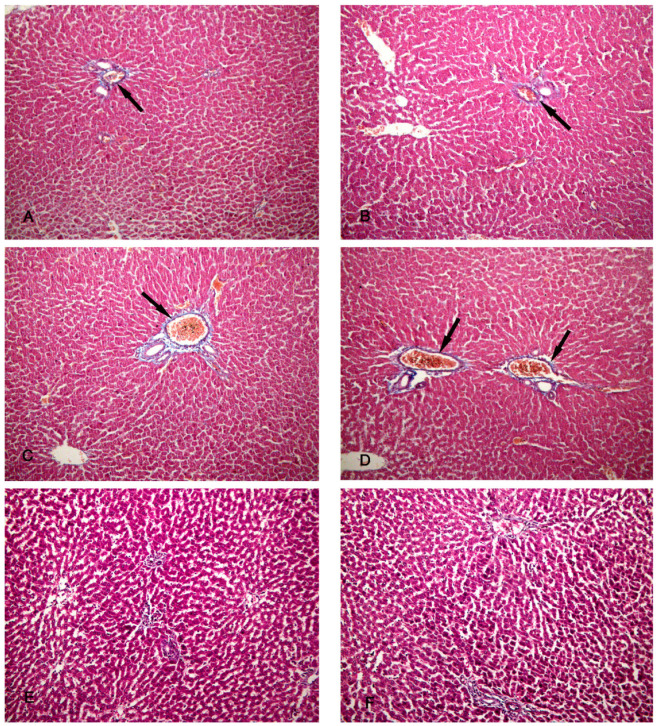
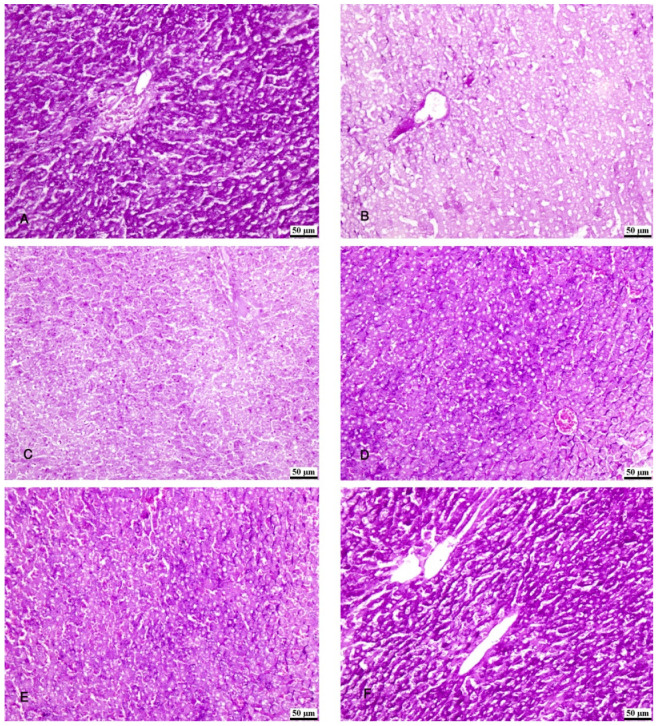
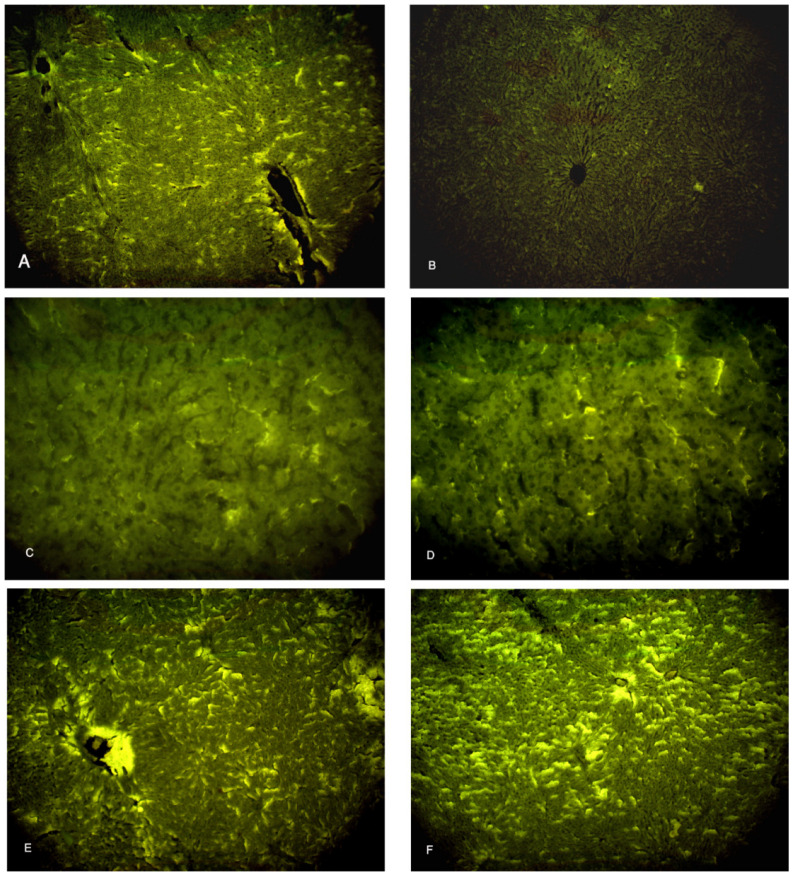
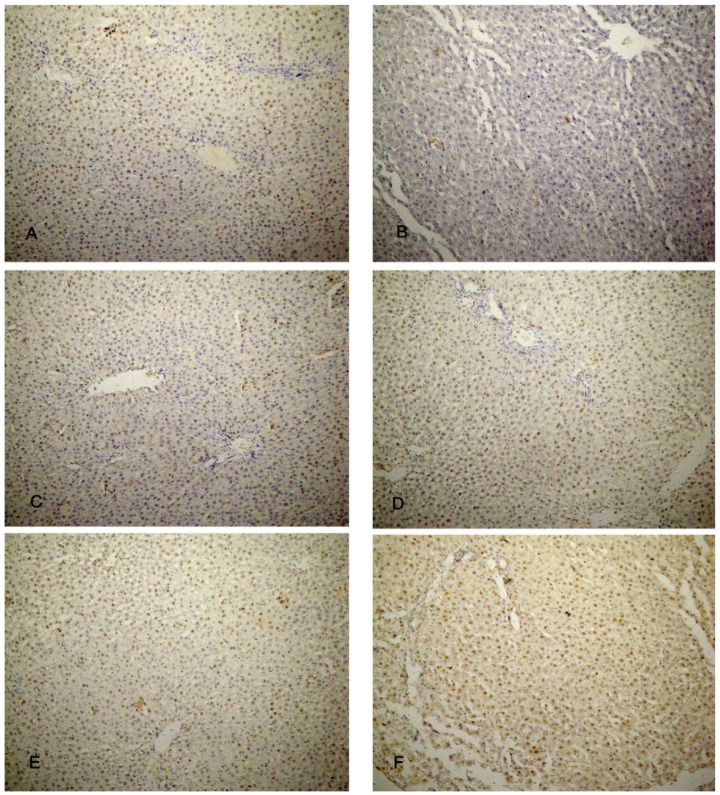
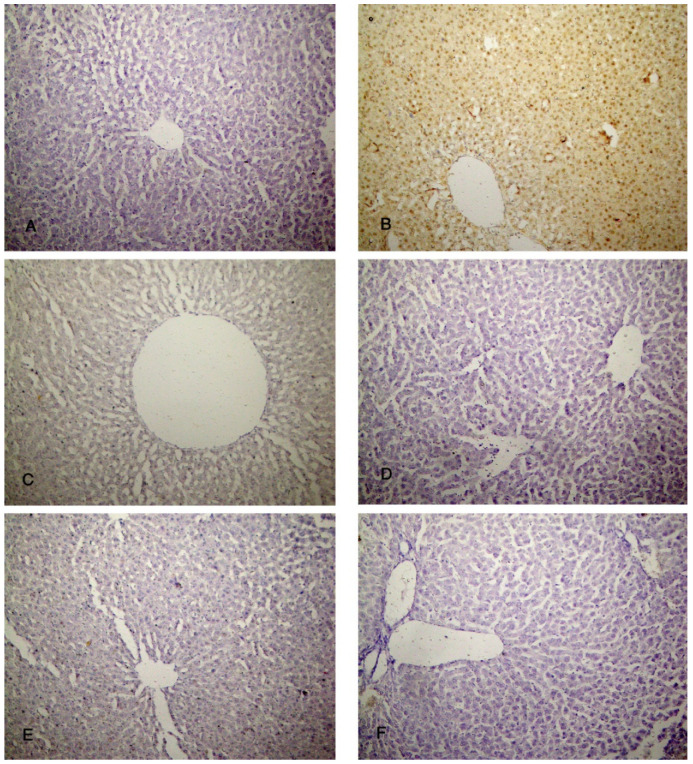
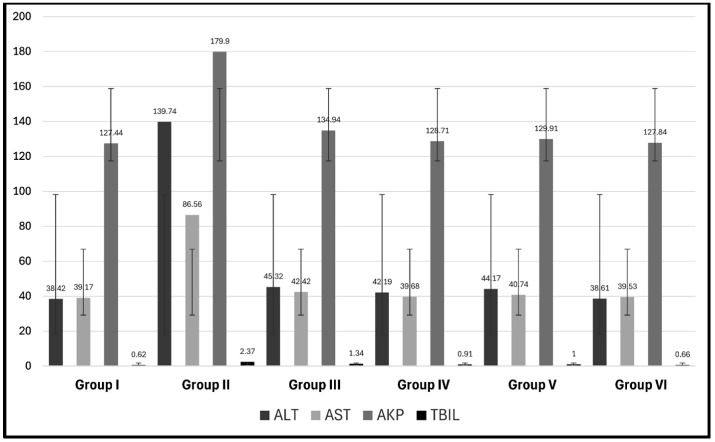
The present study compared the ability of AD- and BM-MSCs, with and without MT pre-treatment, to reduce hepatic fibrosis. Both types of MSCs improved hepatocyte function by reducing the serum levels of ALT, aspartate aminotransferase (AST), alkaline phosphatase (AKP), and total bilirubin (TBIL). In addition, the changes in the hepatocellular architecture, including the hepatocytes, liver sinusoids, central veins, portal veins, biliary ducts, and hepatic arteries, showed a decrease in hepatocyte injury and cholestasis with a reduction in inflammation, apoptosis, and necrosis of the hepatic cells, together with an inhibition of liver tissue fibrosis. These results were augmented by an analysis of the expression of the pro-inflammatory cytokines TNFα and IL-1β, the anti-fibrogenic factor NF-κβ, the apoptotic factor caspase-3, and the proliferative indicators antigen Ki-67 and proliferating cell nuclear antigen (PCNA). These findings were found to be statistically significant, with the restoration of normal parameters in the rats that received AD-MSCs pre-treated with MT, denoting optimal regenerative and therapeutic effects.
AD-MSCs pre-treated with MT are the preferred choice in improving hepatic fibrosis and promoting the therapeutic and regenerative ability of liver tissue. They represent a very significant tool for future stem cell use in the tissue regeneration strategy for the treatment of liver diseases.
肝纤维化的显著特征是健康的肝细胞被细胞外基质蛋白逐渐取代,细胞外基质蛋白富含 I 型和 III 型胶原,基质重塑受损。肌成纤维细胞的激活增强了肝星状细胞、成纤维细胞和炎症细胞之间复杂相互作用的纤维生成反应,导致细胞外蛋白基质的过度沉积。这一过程被多种纤维生成介质和细胞因子激活,如 TNF-α 和 IL-1β,并伴有抗纤维生成因子 NF-κβ 的减少。间充质干细胞(MSCs)是肝纤维化有前途的治疗方法,当与外源性或内源性增殖因子、细胞因子、抗氧化剂、生长因子和激素(如褪黑素(MT))一起培养时,允许更先进的再生影响。然而,先前的研究对脂肪(AD)和骨髓(BM)MSC 的治疗效果存在相互矛盾的发现;因此,本研究旨在进行一项比较和综合研究,调查 MT 预处理对 AD 和 BM-MSCs 的免疫调节、抗炎和抗细胞凋亡作用的影响,并批判性分析 MT 预处理的 AD-MSCs 和 BM-MSCs 是否在 CCl4 损伤的大鼠实验模型中显示出相同或不同的治疗和再生潜力。
使用六组实验大鼠,每组 10 只:第 I 组(对照组)、第 II 组(CCl4 处理组)、第 III 组(CCl4 和 BM-MSC 处理组)、第 IV 组(CCl4 和 MT 预处理 BM-MSC 组)、第 V 组(CCl4 和 AD-MSC 处理组)和第 VI 组(CCl4 和 MT 预处理 AD-MSC 组)。分析肝功能试验和炎症、纤维生成、细胞凋亡和增殖因子的基因表达。评估组织学和免疫组织化学变化。
本研究比较了 AD 和 BM-MSCs,以及未经 MT 预处理的 MSC,减少肝纤维化的能力。两种类型的 MSC 都通过降低 ALT、天冬氨酸转氨酶(AST)、碱性磷酸酶(AKP)和总胆红素(TBIL)的血清水平来改善肝细胞功能。此外,肝细胞、肝窦、中央静脉、门静脉、胆管和肝动脉的肝组织结构变化表明,通过减少炎症、细胞凋亡和坏死以及抑制肝组织纤维化,肝细胞损伤和胆汁淤积减少。这种变化通过分析促炎细胞因子 TNFα 和 IL-1β、抗纤维生成因子 NF-κβ、凋亡因子 caspase-3 以及增殖指标抗原 Ki-67 和增殖细胞核抗原(PCNA)的表达得到了增强。这些发现具有统计学意义,接受 MT 预处理的 AD-MSCs 恢复了正常参数,表明具有最佳的再生和治疗效果。
MT 预处理的 AD-MSCs 是改善肝纤维化和促进肝组织治疗和再生能力的首选方法。它们为未来干细胞在肝脏疾病组织再生策略中的应用提供了非常重要的工具。