Cai Tingting, Feng Tao, Li Guangren, Wang Jin, Jin Shengming, Ye Dingwei, Zhu Yiping
Department of Urology, Fudan University Shanghai Cancer Center, Shanghai, China.
Department of Oncology, Shanghai Medical College, Fudan University, Shanghai, China.
Cancer Cell Int. 2024 Apr 3;24(1):125. doi: 10.1186/s12935-024-03258-9.
Bladder cancer (BCa) stands out as a prevalent and highly lethal malignancy worldwide. Chemoresistance significantly contributes to cancer recurrence and progression. Traditional Tumor Node Metastasis (TNM) stage and molecular subtypes often fail to promptly identify treatment preferences based on sensitivity.
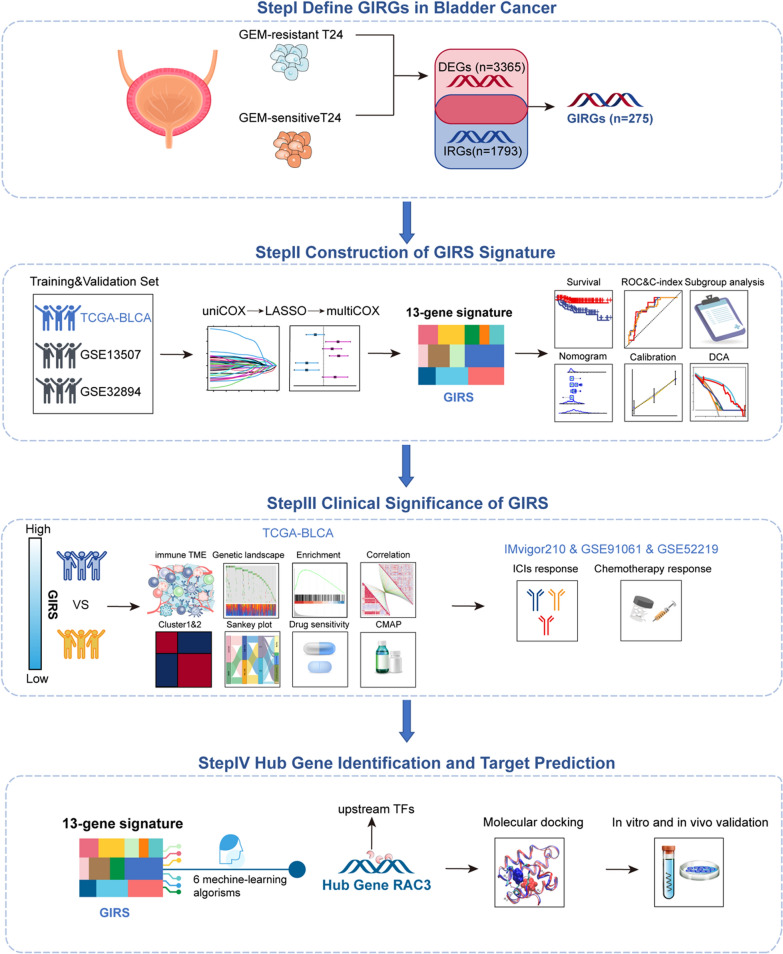
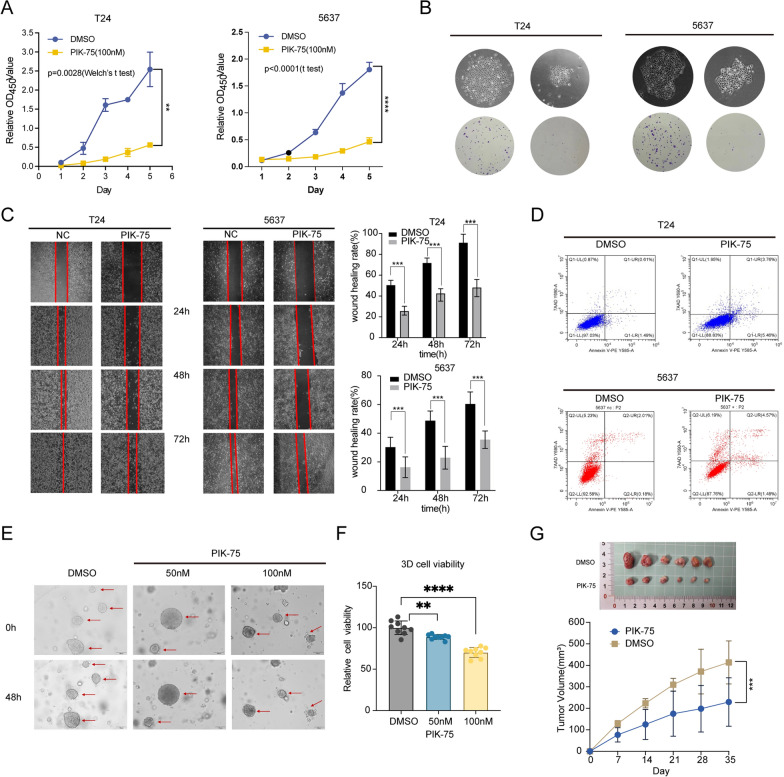
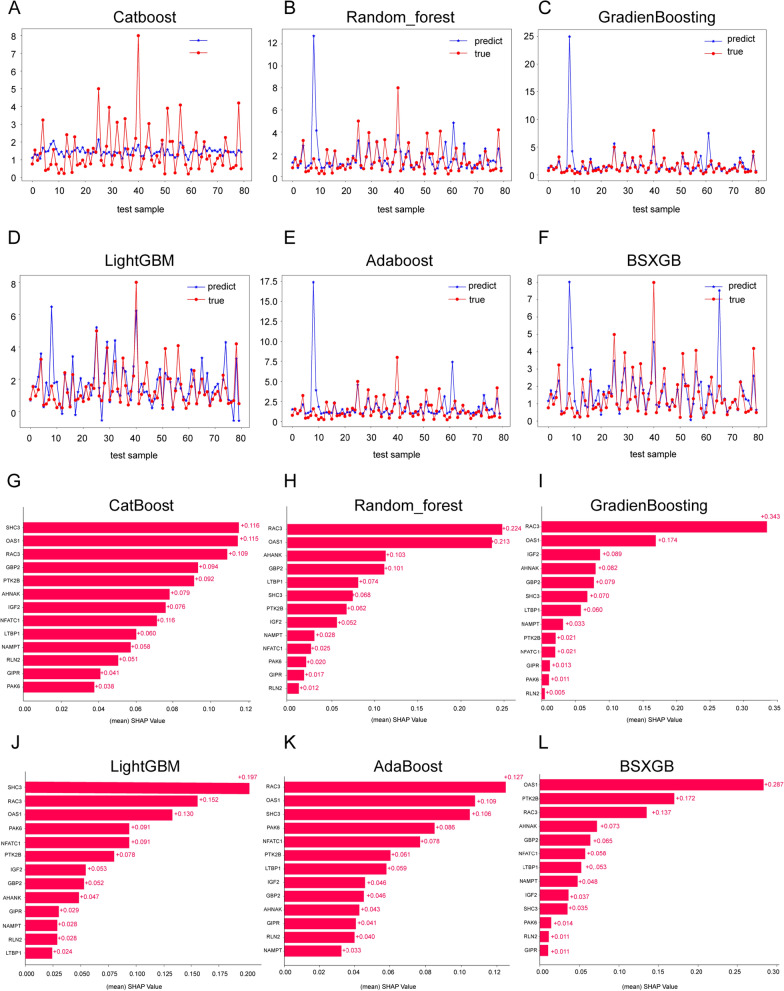
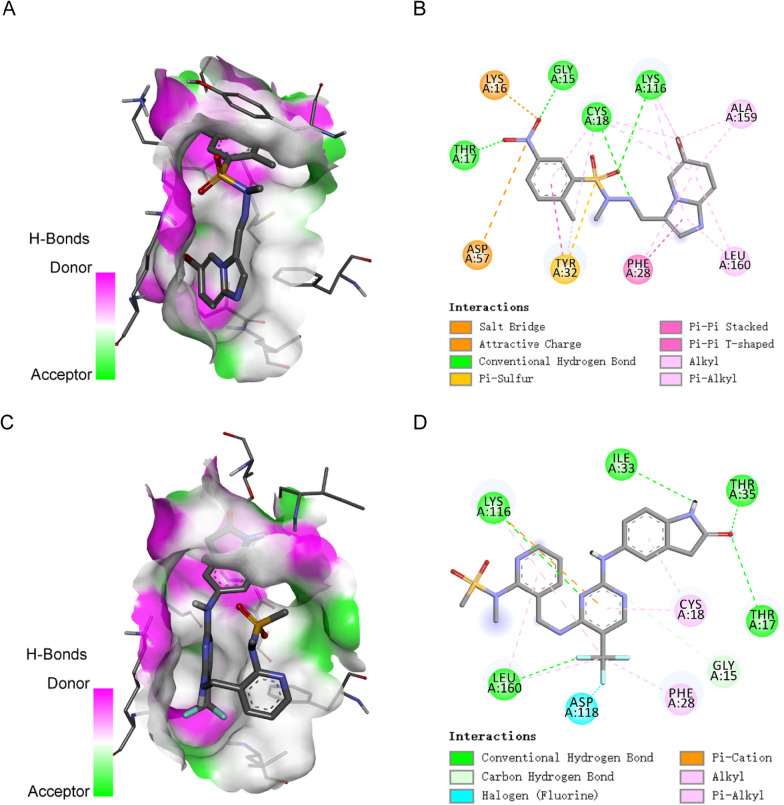
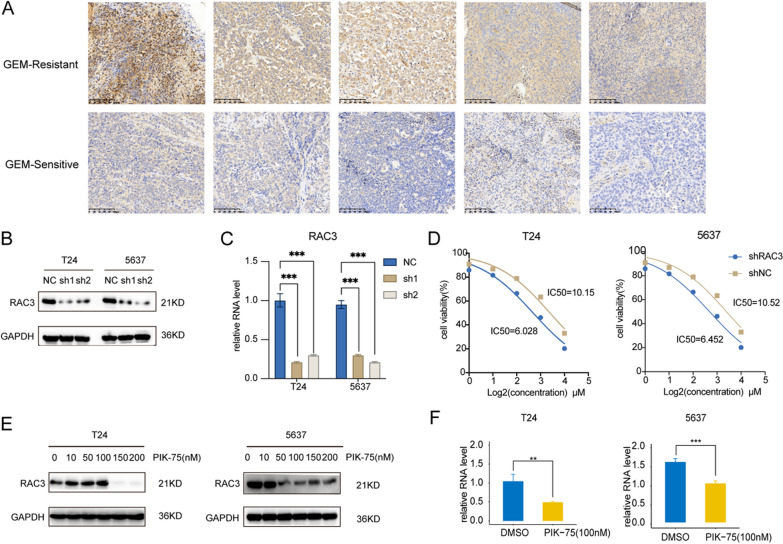
In this study, we developed a prognostic signature for BCa with uni-Cox + LASSO + multi-Cox survival analysis in multiple independent cohorts. Six machine learning algorithms were adopted to screen out the hub gene, RAC3. IHC staining was used to validate the expression of RAC3 in BCa tumor tissue. RT-qPCR and Western blot were performed to detect and quantify the mRNA and protein levels of RAC3. CCK8, colony formation, wound healing, and flow cytometry analysis of apoptosis were employed to determine cell proliferation, migration, and apoptosis. Molecular docking was used to find small target drugs, PIK-75. 3D cell viability assay was applied to evaluate the ATP viability of bladder cancer organoids before and after PIK-75 treated.
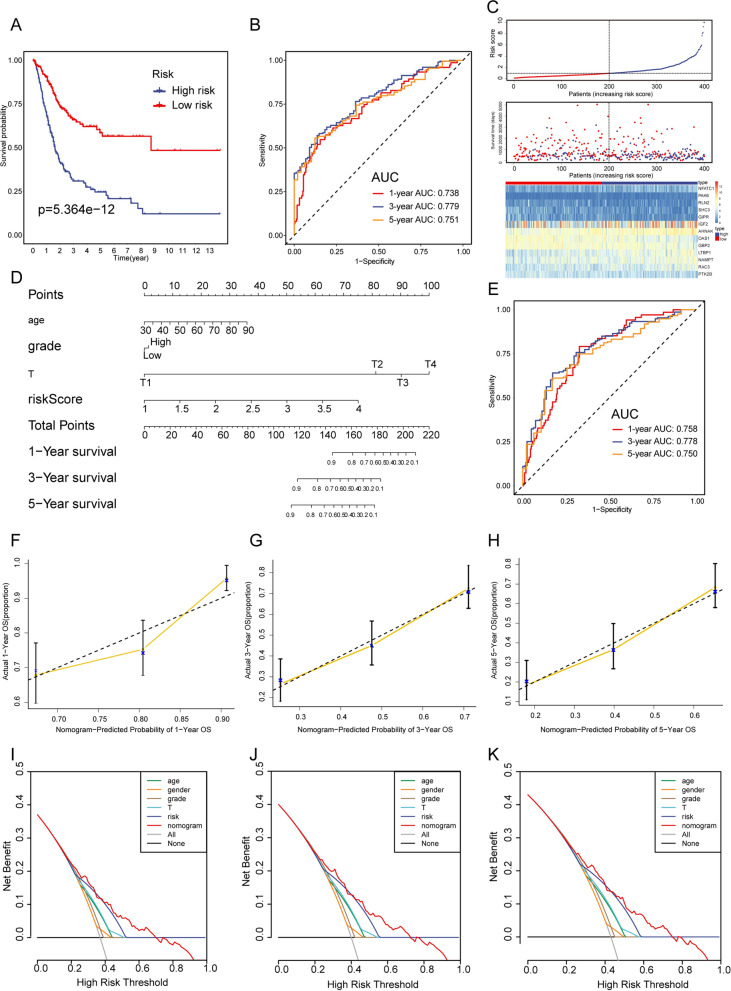
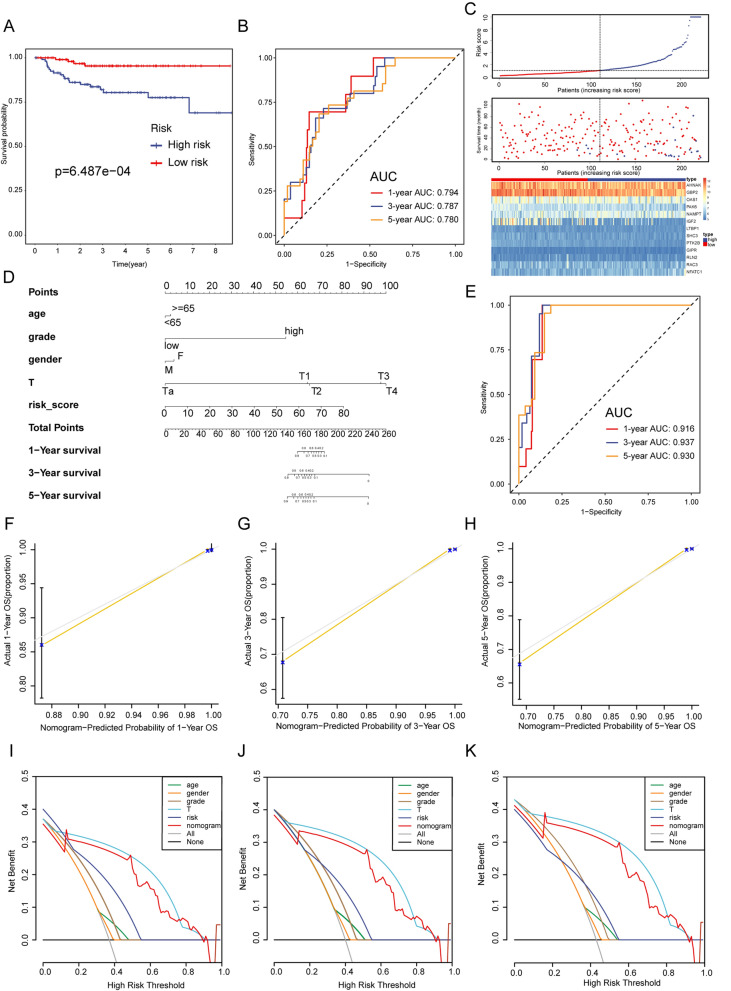
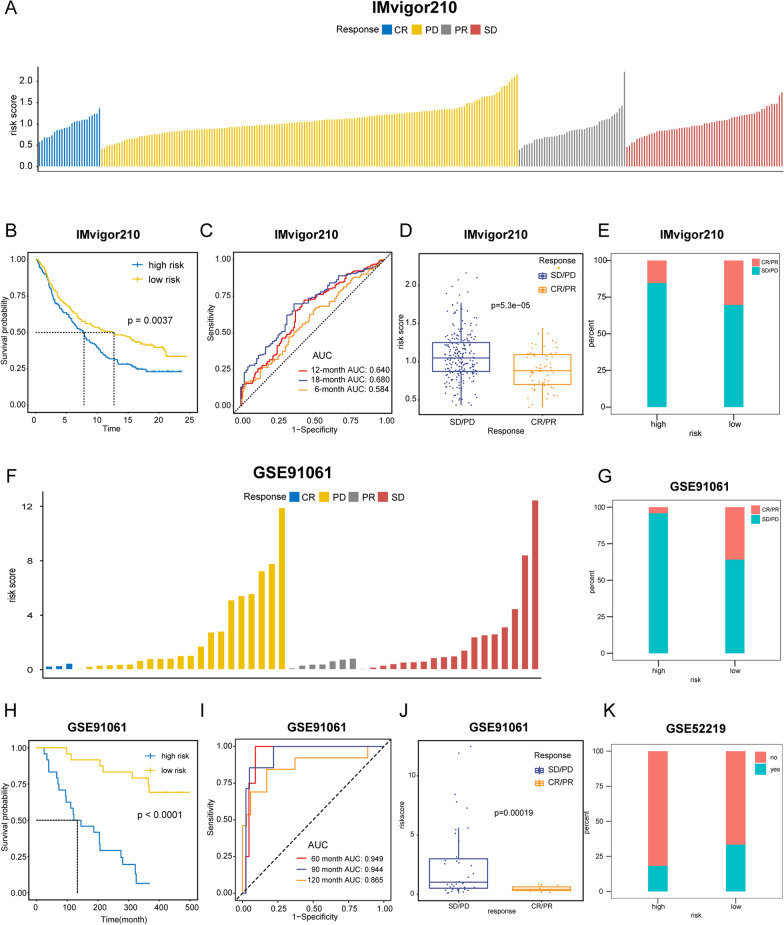
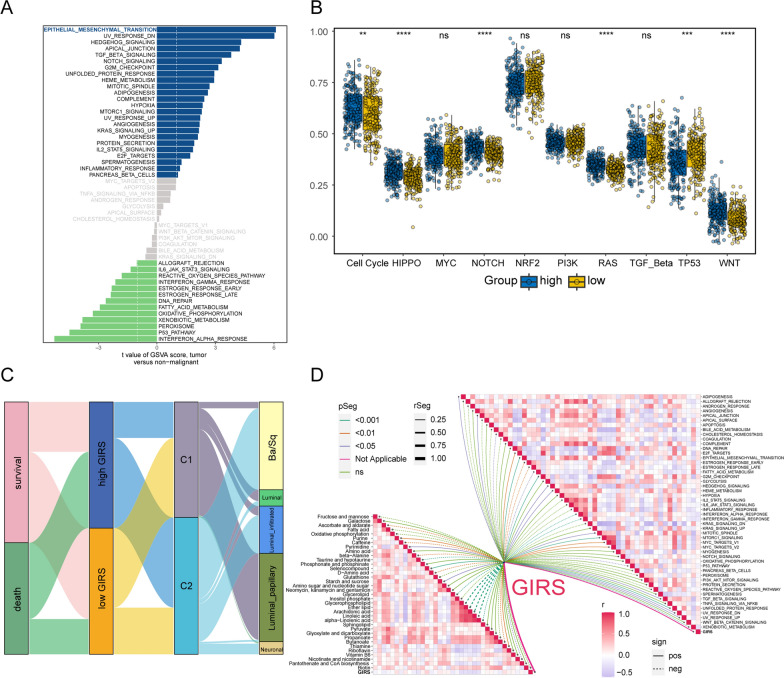
The established clinical prognostic model, GIRS, comprises 13 genes associated with gemcitabine resistance and immunology. This model has demonstrated robust predictive capabilities for survival outcomes across various independent public cohorts. Additionally, the GIRS signature shows significant correlations with responses to both immunotherapy and chemotherapy. Leveraging machine learning algorithms, the hub gene, RAC3, was identified, and potential upstream transcription factors were screened through database analysis. IHC results showed that RAC3 was higher expressed in GEM-resistant BCa patients. Employing molecular docking, the small molecule drug PIK-75, as binding to RAC3, was identified. Experiments on cell lines, organoids and animals validated the biological effects of PIK-75 in bladder cancer.
The GIRS signature offers a valuable complement to the conventional anatomic TNM staging system and molecular subtype stratification in bladder cancer. The hub gene, RAC3, plays a crucial role in BCa and is significantly associated with resistance to gemcitabine. The small molecular drug, PIK-75 having the potential as a therapeutic agent in the context of gemcitabine-resistant and immune-related pathways.
膀胱癌(BCa)是全球范围内一种常见且致死率很高的恶性肿瘤。化疗耐药显著促进癌症复发和进展。传统的肿瘤淋巴结转移(TNM)分期和分子亚型往往无法基于敏感性迅速确定治疗偏好。
在本研究中,我们通过单因素Cox + LASSO + 多因素Cox生存分析在多个独立队列中为BCa建立了一个预后特征。采用六种机器学习算法筛选出核心基因RAC3。免疫组化染色用于验证RAC3在BCa肿瘤组织中的表达。进行RT-qPCR和蛋白质免疫印迹以检测和定量RAC3的mRNA和蛋白质水平。采用CCK8、集落形成、伤口愈合及凋亡的流式细胞术分析来确定细胞增殖、迁移和凋亡。分子对接用于寻找小分子药物PIK-75。应用3D细胞活力测定法评估PIK-75处理前后膀胱癌细胞类器官的ATP活力。
建立的临床预后模型GIRS包含13个与吉西他滨耐药和免疫相关的基因。该模型在各个独立的公共队列中对生存结果均显示出强大的预测能力。此外,GIRS特征与免疫治疗和化疗反应均显著相关。利用机器学习算法,确定了核心基因RAC3,并通过数据库分析筛选出潜在的上游转录因子。免疫组化结果显示,RAC3在吉西他滨耐药的BCa患者中高表达。通过分子对接,确定了与RAC3结合的小分子药物PIK-75。在细胞系、细胞类器官和动物上进行的实验验证了PIK-75在膀胱癌中的生物学效应。
GIRS特征为膀胱癌传统的解剖学TNM分期系统和分子亚型分层提供了有价值的补充。核心基因RAC3在BCa中起关键作用,且与吉西他滨耐药显著相关。小分子药物PIK-75在吉西他滨耐药和免疫相关通路方面具有作为治疗药物的潜力。