Department of Respiratory Medicine, The Second Hospital, Dalian Medical University, Dalian, China.
Department of Oncology, Beijing Chest Hospital, Capital Medical University, Beijing, China.
J Exp Clin Cancer Res. 2024 Apr 3;43(1):103. doi: 10.1186/s13046-024-03015-w.
Brain metastasis (BM) is common among cases of advanced non-small cell lung cancer (NSCLC) and is the leading cause of death for these patients. Mesothelin (MSLN), a tumor-associated antigen expressed in many solid tumors, has been reported to be involved in the progression of multiple tumors. However, its potential involvement in BM of NSCLC and the underlying mechanism remain unknown.
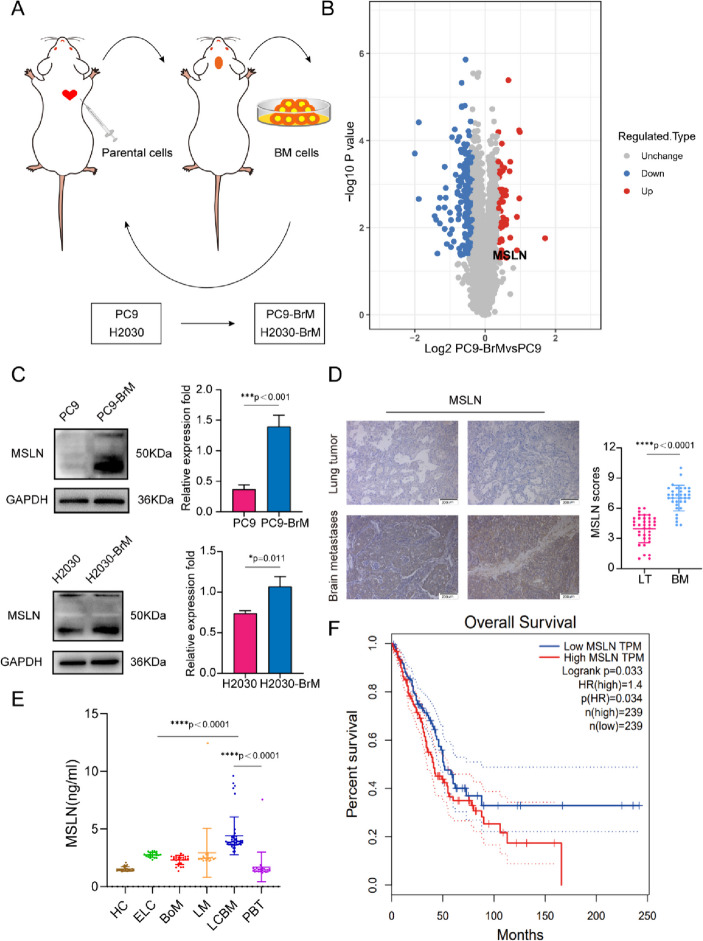
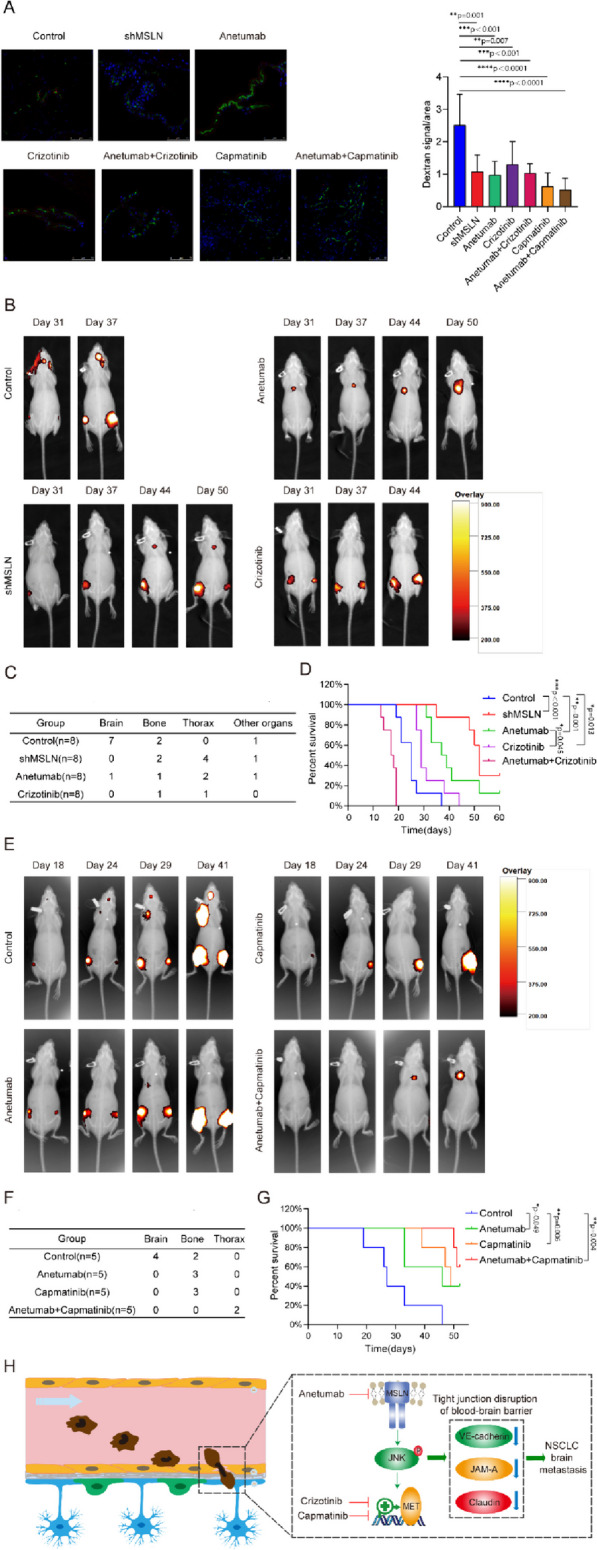
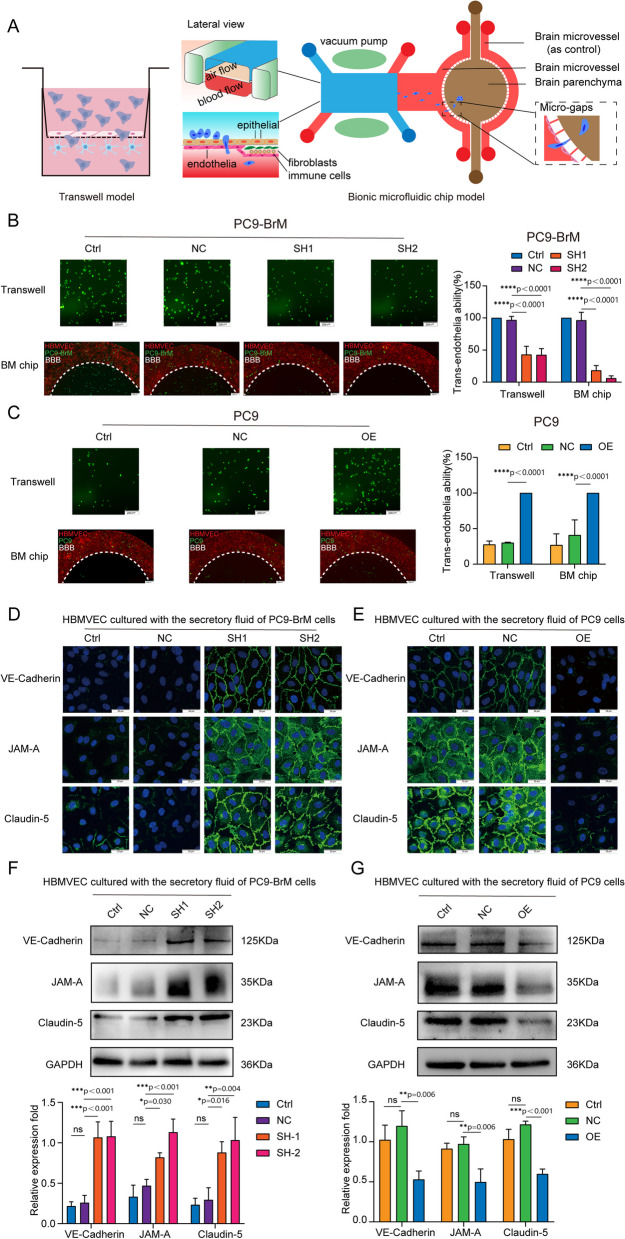
The expression of MSLN was validated in clinical tissue and serum samples using immunohistochemistry and enzyme-linked immunosorbent assay. The ability of NSCLC cells to penetrate the blood-brain barrier (BBB) was examined using an in vitro Transwell model and an ex vivo multi-organ microfluidic bionic chip. Immunofluorescence staining and western blotting were used to detect the disruption of tight junctions. In vivo BBB leakiness assay was performed to assess the barrier integrity. MET expression and activation was detected by western blotting. The therapeutic efficacy of drugs targeting MSLN (anetumab) and MET (crizotinib/capmatinib) on BM was evaluated in animal studies.
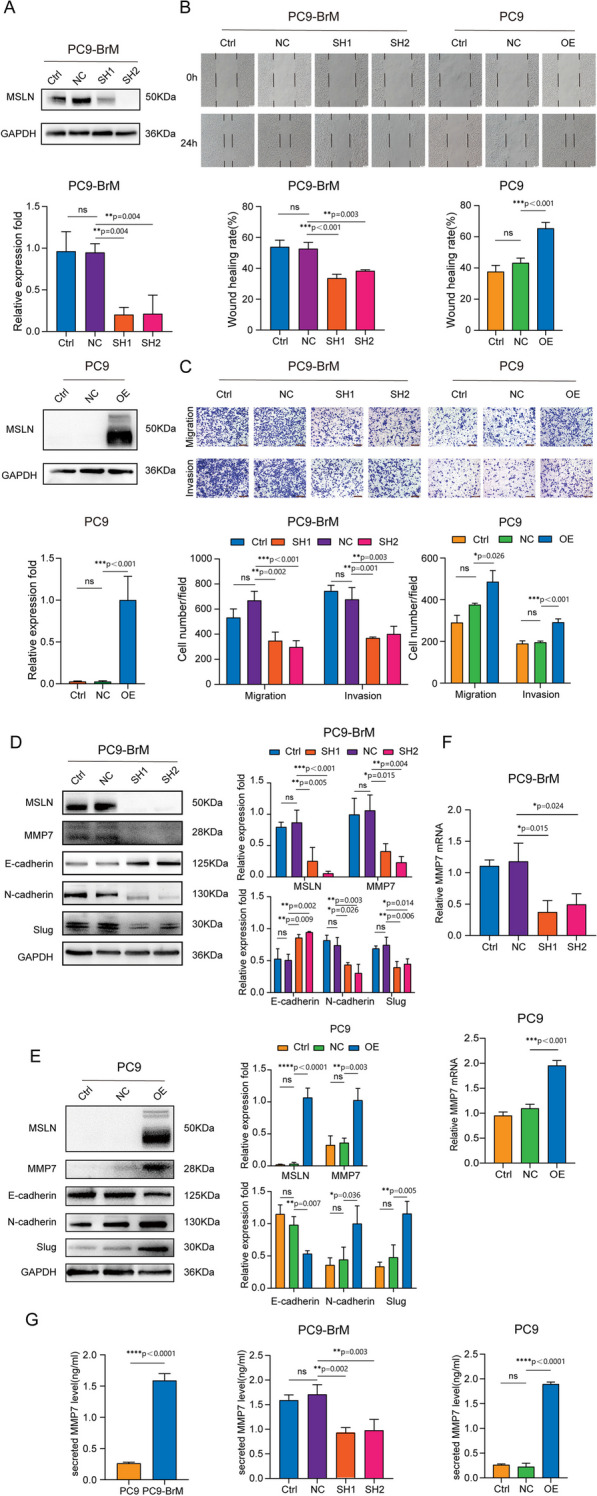
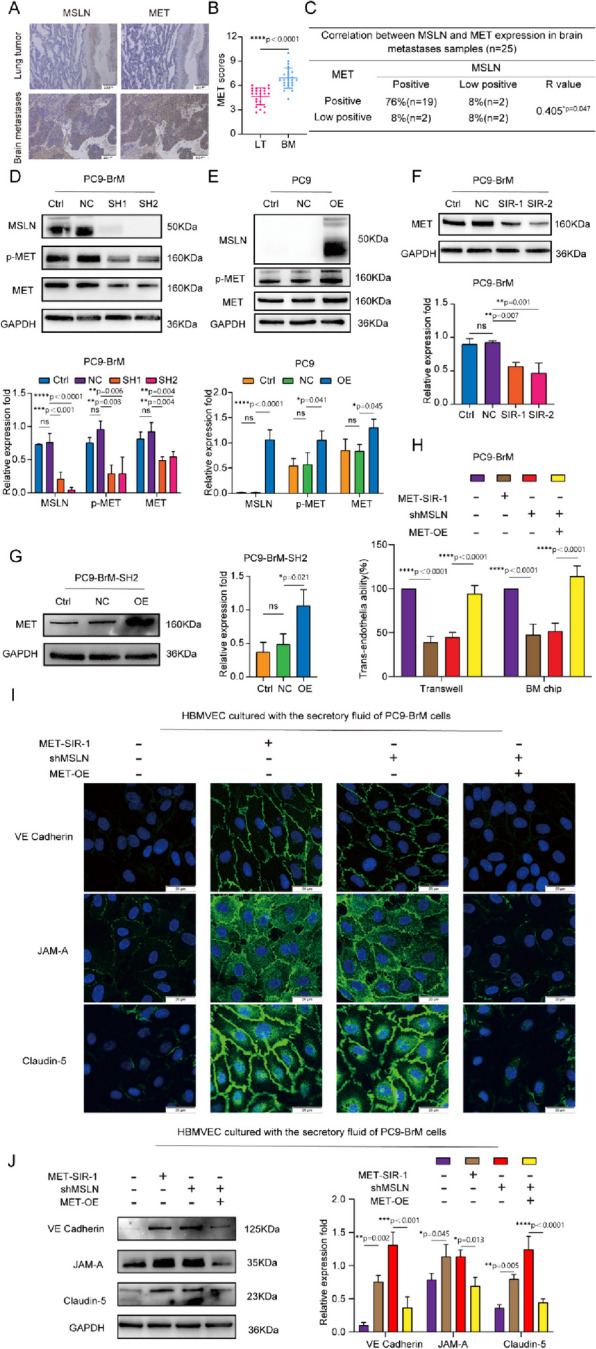
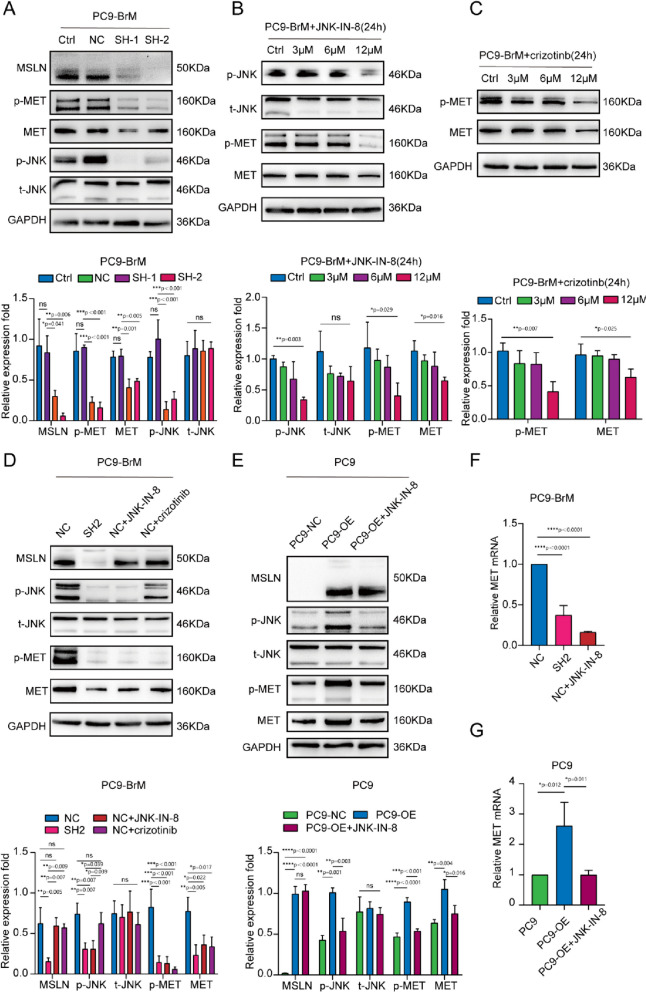
MSLN expression was significantly elevated in both serum and tumor tissue samples from NSCLC patients with BM and correlated with a poor clinical prognosis. MSLN significantly enhanced the brain metastatic abilities of NSCLC cells, especially BBB extravasation. Mechanistically, MSLN facilitated the expression and activation of MET through the c-Jun N-terminal kinase (JNK) signaling pathway, which allowed tumor cells to disrupt tight junctions and the integrity of the BBB and thereby penetrate the barrier. Drugs targeting MSLN (anetumab) and MET (crizotinib/capmatinib) effectively blocked the development of BM and prolonged the survival of mice.
Our results demonstrate that MSLN plays a critical role in BM of NSCLC by modulating the JNK/MET signaling network and thus, provides a potential novel therapeutic target for preventing BM in NSCLC patients.
脑转移(BM)是晚期非小细胞肺癌(NSCLC)常见的情况,也是这些患者死亡的主要原因。间皮素(MSLN)是一种在许多实体瘤中表达的肿瘤相关抗原,据报道它参与了多种肿瘤的进展。然而,其在 NSCLC 脑转移中的潜在作用及其潜在机制尚不清楚。
使用免疫组织化学和酶联免疫吸附试验在临床组织和血清样本中验证 MSLN 的表达。使用体外 Transwell 模型和体外多器官微流控仿生芯片检测 NSCLC 细胞穿透血脑屏障(BBB)的能力。免疫荧光染色和 Western blot 用于检测紧密连接的破坏。体内 BBB 通透性测定用于评估屏障完整性。通过 Western blot 检测 MET 表达和激活。在动物研究中评估了针对 MSLN(anetumab)和 MET(crizotinib/capmatinib)的药物对 BM 的治疗效果。
MSLN 在 NSCLC 伴 BM 患者的血清和肿瘤组织样本中表达明显升高,与不良临床预后相关。MSLN 显著增强了 NSCLC 细胞的脑转移能力,尤其是 BBB 外渗。机制上,MSLN 通过 c-Jun N 端激酶(JNK)信号通路促进 MET 的表达和激活,使肿瘤细胞破坏紧密连接和 BBB 的完整性,从而穿透屏障。针对 MSLN(anetumab)和 MET(crizotinib/capmatinib)的药物有效阻止了 BM 的发展并延长了小鼠的存活时间。
我们的研究结果表明,MSLN 通过调节 JNK/MET 信号网络在 NSCLC 的 BM 中发挥关键作用,因此为预防 NSCLC 患者的 BM 提供了一个潜在的新的治疗靶点。