Orsini Federico, Giusti Gianluca, Zarantonello Lisa, Costa Rodolfo, Montagnese Sara, Rossi Riccardo
Department of Civil, Environmental and Architectural Engineering, University of Padua, Padua, Italy.
Mobility and Behavior Research Center - MoBe, University of Padua, Padua, Italy.
Transp Res Part F Traffic Psychol Behav. 2023 Nov;99:83-97. doi: 10.1016/j.trf.2023.10.014.
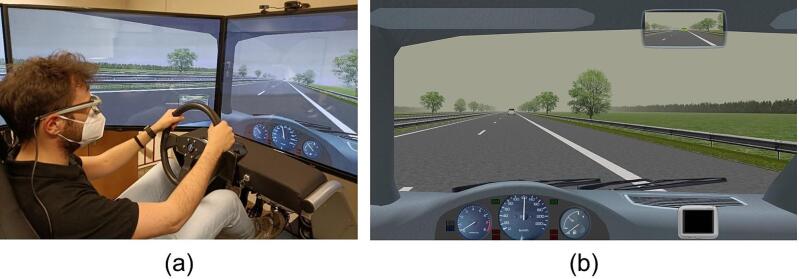
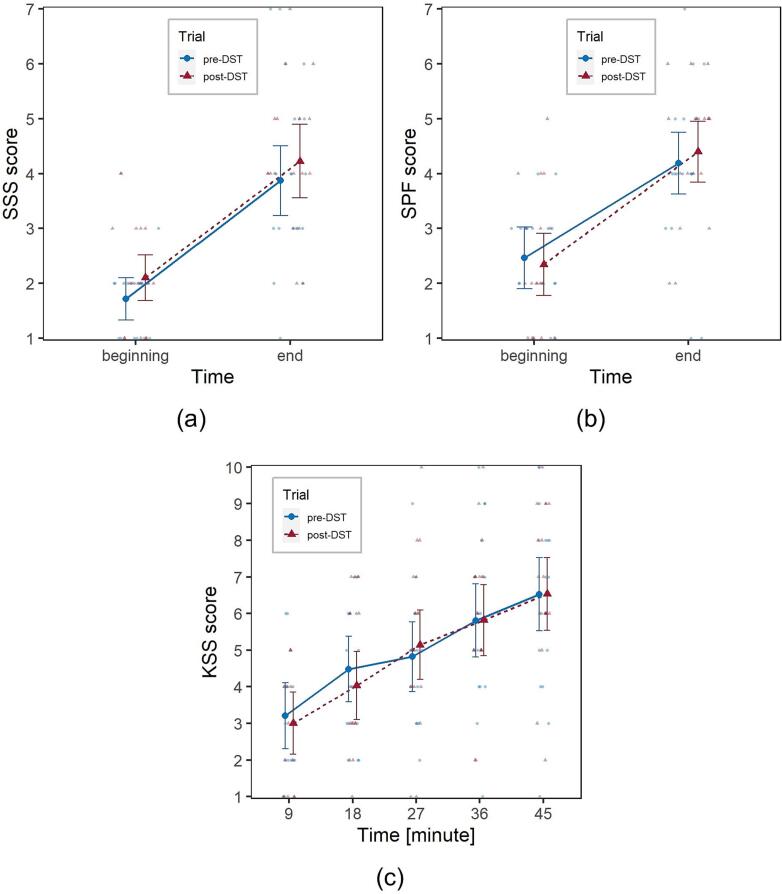
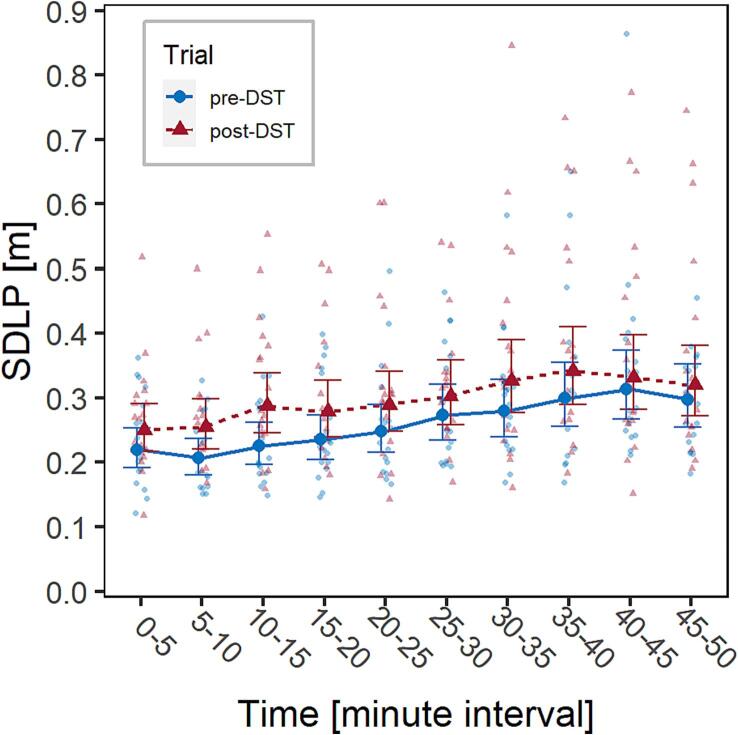
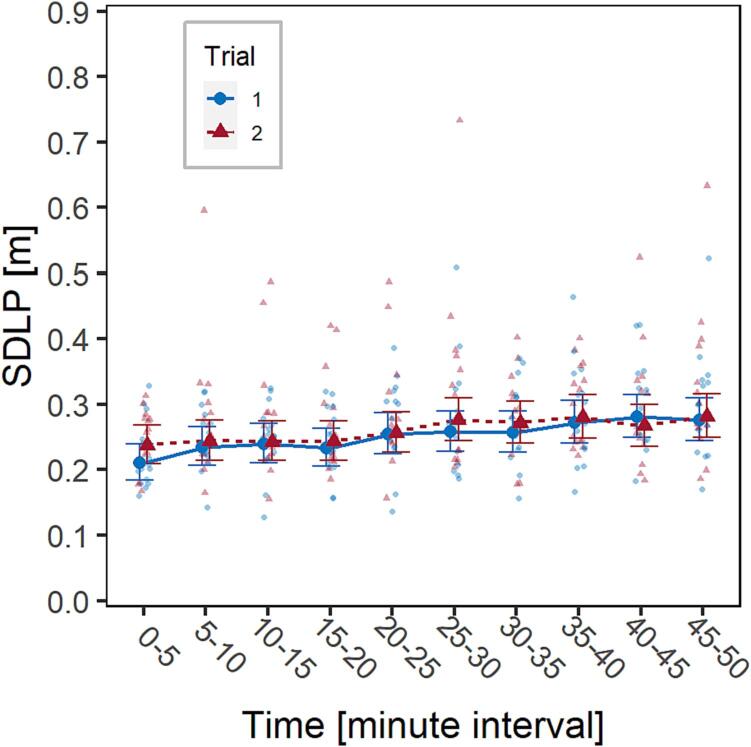
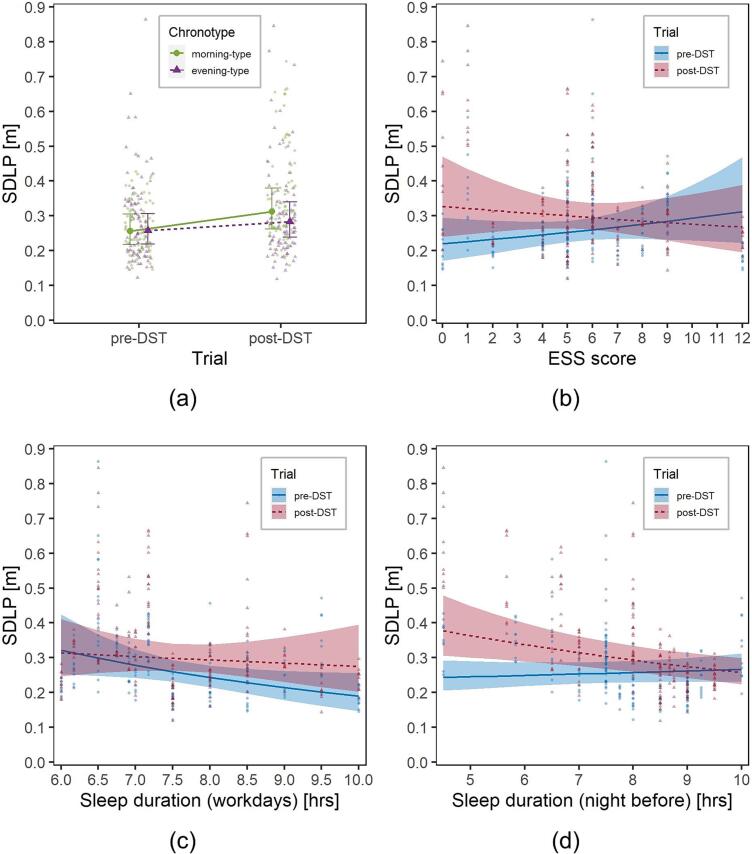
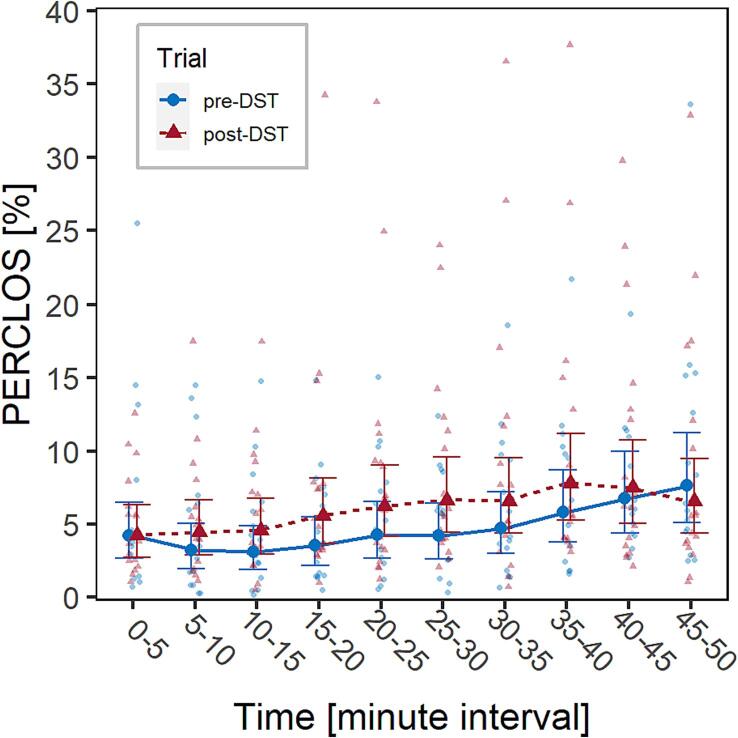
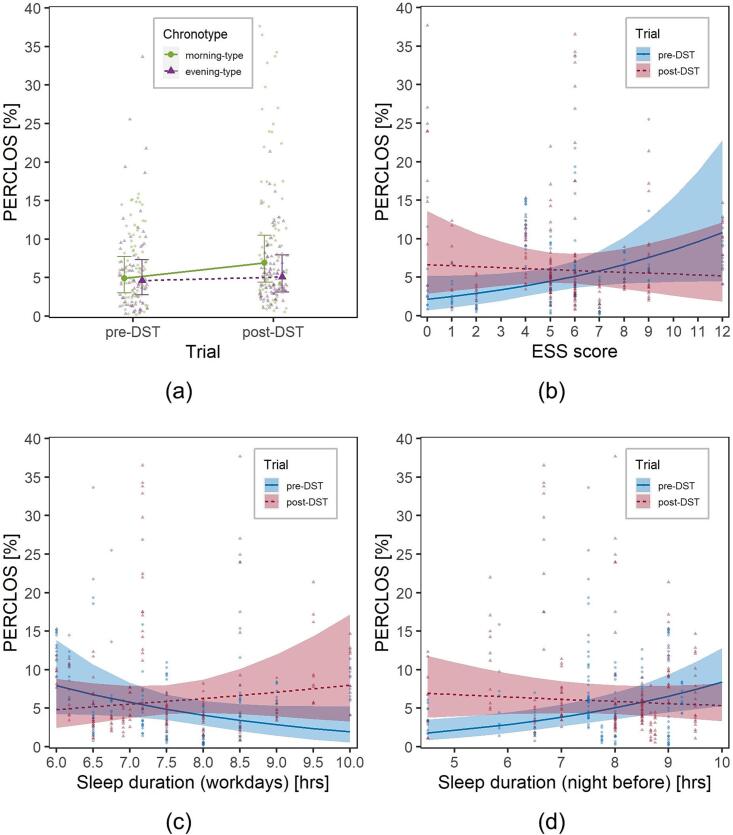
The Spring transition to Daylight Saving Time (DST) has been associated with several health and road safety issues. Previous literature has focused primarily on the analysis of historical crash and hospitalization data, without investigating specific crash contributing factors, such as driving fatigue. The present study aims to uncover the effects of DST-related circadian desynchrony and sleep deprivation on driving fatigue, by means of a driving simulator experiment. Eighteen participants (all males, age range 21-30 years, mean = 24.2, SD = 2.9) completed two 50-minute trials (at one week distance, same time and same day of the week) on a monotonous highway environment, the second one taking place in the week after the Spring transition to DST. Driving fatigue was evaluated by analysing several different variables (including driving-based, physiological and subjective indices) and by comparison with a historical cohort of pertinent, matched controls who had also undergone two trials, but in the absence of any time change in between. Results showed a considerable rise in fatigue levels throughout the driving task in both trials, but with significantly poorer performance in the post-DST trial, documented by a worsening in vehicle lateral control and an increase in eyelid closure. However, participants seemed unable to perceive this decrease in their alertness, which most likely prevented them from implementing fatigue-coping strategies. These findings indicate that DST has a detrimental effect on driving fatigue in young male drivers in the week after the Spring transition, and provide valuable insights into the complex relationship between DST and road safety.
春季向夏令时(DST)的转变与若干健康和道路安全问题相关。以往的文献主要集中于对历史撞车和住院数据的分析,而没有调查具体的撞车促成因素,如驾驶疲劳。本研究旨在通过驾驶模拟器实验,揭示与DST相关的昼夜节律失调和睡眠剥夺对驾驶疲劳的影响。18名参与者(均为男性,年龄范围21 - 30岁,平均年龄 = 24.2岁,标准差 = 2.9)在单调的高速公路环境中完成了两项50分钟的试验(相隔一周,在一周中的同一天、同一时间进行),第二项试验在春季向DST转变后的那一周进行。通过分析几个不同变量(包括基于驾驶的、生理和主观指标)以及与一组历史相关匹配对照组进行比较来评估驾驶疲劳,该对照组也进行了两项试验,但两次试验之间没有任何时间变化。结果显示,在两项试验的整个驾驶任务过程中,疲劳水平都有显著上升,但在夏令时后的试验中表现明显更差,表现为车辆横向控制变差和眼睑闭合增加。然而,参与者似乎没有意识到自己警觉性的下降,这很可能使他们无法采取应对疲劳的策略。这些发现表明,在春季转变后的一周内,夏令时对年轻男性驾驶员的驾驶疲劳有不利影响,并为夏令时与道路安全之间的复杂关系提供了有价值的见解。