Cheng Maosheng, Xiong Jianqi, Liu Qianwen, Zhang Caihua, Li Kang, Wang Xinyuan, Chen Shuang
Department of Medical Oncology; Institute of Precision Medicine; Center for Translational Medicine, The First Affiliated Hospital of Sun Yat-Sen University, Guangzhou, 510080, China.
State Key Laboratory of Oncology in South China, Department of Thoracic Surgery, Collaborative Innovation Center for Cancer Medicine, Guangdong Esophageal Cancer Institute, Sun Yat-Sen University Cancer Center, Guangzhou, China.
Cancer Immunol Immunother. 2024 Apr 15;73(6):97. doi: 10.1007/s00262-024-03683-9.
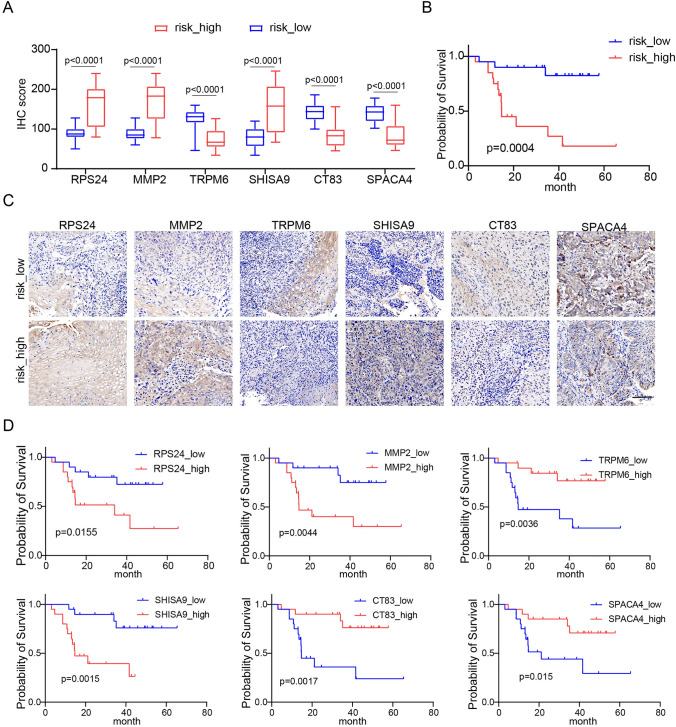
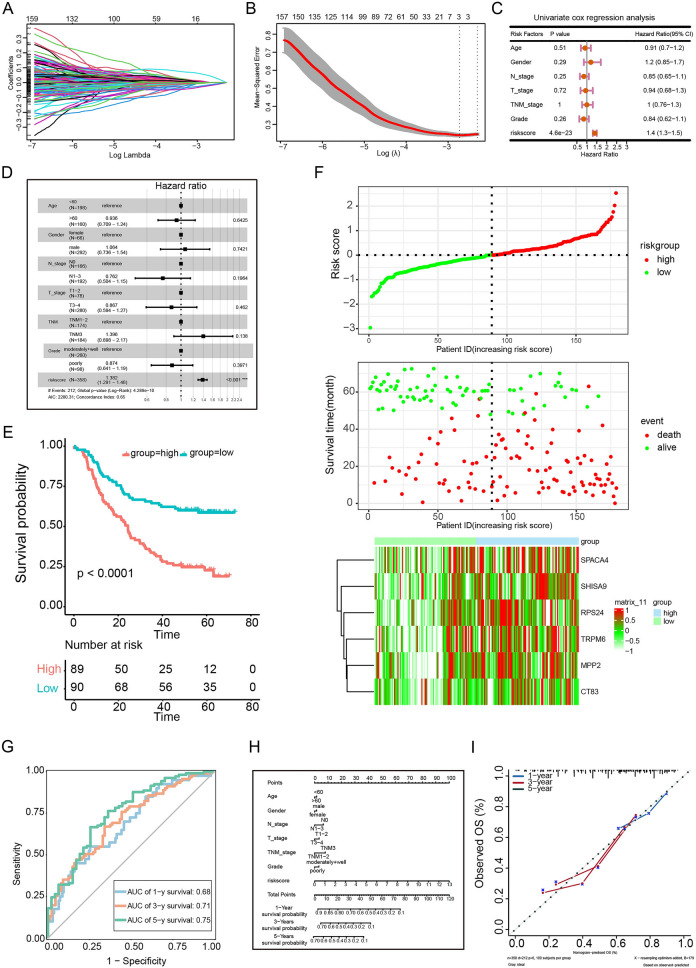
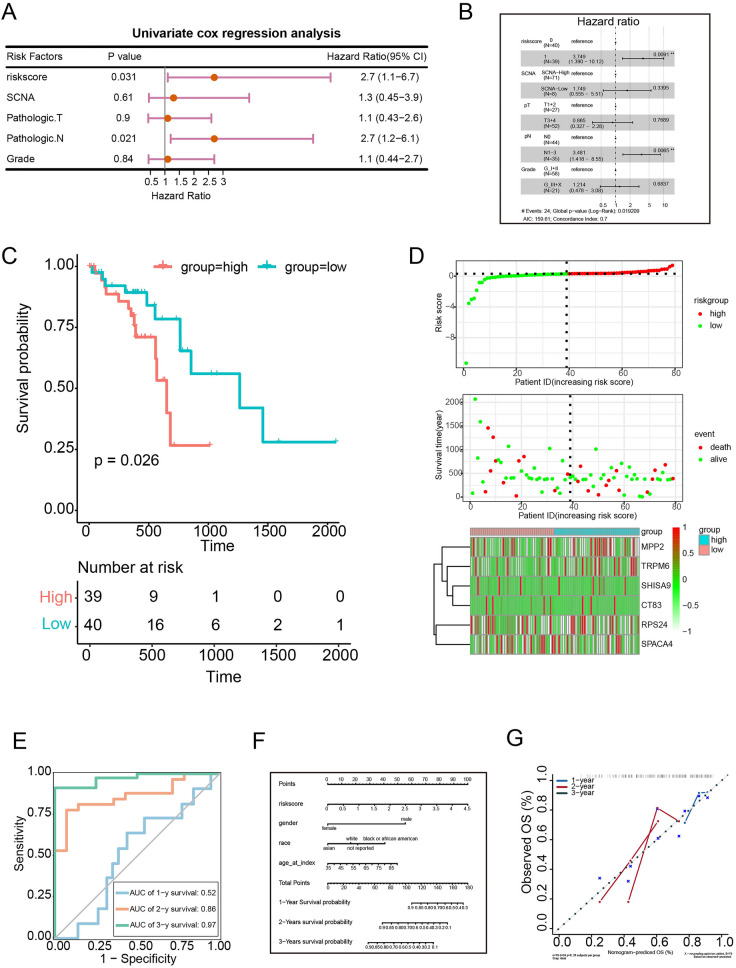
Esophageal squamous cell carcinoma (ESCC) is characterized by molecular heterogeneity with various immune cell infiltration patterns, which have been associated with therapeutic sensitivity and resistance. In particular, dendritic cells (DCs) are recently discovered to be associated with prognosis and survival in cancer. However, how DCs differ among ESCC patients has not been fully comprehended. Recently, the advance of single-cell RNA sequencing (scRNA-seq) enables us to profile the cell types, states, and lineages in the heterogeneous ESCC tissues. Here, we dissect the ESCC tumor microenvironment at high resolution by integrating 192,078 single cells from 60 patients, including 4379 DCs. We then used Scissor, a method that identifies cell subpopulations from single-cell data that are associated bulk samples with genomic and clinical information, to stratify DCs into Scissor and Scissor subtypes. We applied the Scissor gene signature to stratify ESCC scRNAseq patient, and we found that PD-L1, TIGIT, PVR and IL6 ligand-receptor-mediated cell interactions existed mainly in Scissor patients. Finally, based on the Scissor results, we successfully developed a validated prognostic risk model for ESCC and further validated the reliability of the risk prediction model by recruiting 40 ESCC clinical patients. This information highlights the importance of these genes in assessing patient prognosis and may help in the development of targeted or personalized therapies for ESCC.
食管鳞状细胞癌(ESCC)具有分子异质性以及多种免疫细胞浸润模式,这些与治疗敏感性和耐药性相关。特别是,树突状细胞(DCs)最近被发现与癌症的预后和生存有关。然而,ESCC患者之间DCs的差异尚未完全被理解。最近,单细胞RNA测序(scRNA-seq)技术的进步使我们能够描绘异质性ESCC组织中的细胞类型、状态和谱系。在这里,我们通过整合来自60名患者的192,078个单细胞(包括4379个DCs),以高分辨率剖析ESCC肿瘤微环境。然后,我们使用Scissor(一种从单细胞数据中识别与具有基因组和临床信息的大量样本相关的细胞亚群的方法)将DCs分层为Scissor和Scissor亚型。我们应用Scissor基因特征对ESCC scRNAseq患者进行分层,发现PD-L1、TIGIT、PVR和IL6配体-受体介导的细胞相互作用主要存在于Scissor患者中。最后,基于Scissor结果,我们成功开发了一个经过验证的ESCC预后风险模型,并通过招募40名ESCC临床患者进一步验证了风险预测模型的可靠性。这些信息突出了这些基因在评估患者预后中的重要性,并可能有助于开发针对ESCC的靶向或个性化治疗方法。