Key Laboratory of Molecular Epigenetics of Ministry of Education, Northeast Normal University, Changchun, 130024, China.
Department of Cell and Developmental Biology, John Innes Centre, Norwich Research Park, Norwich, NR4 7UH, UK.
Nat Commun. 2024 Apr 16;15(1):3253. doi: 10.1038/s41467-024-47678-7.
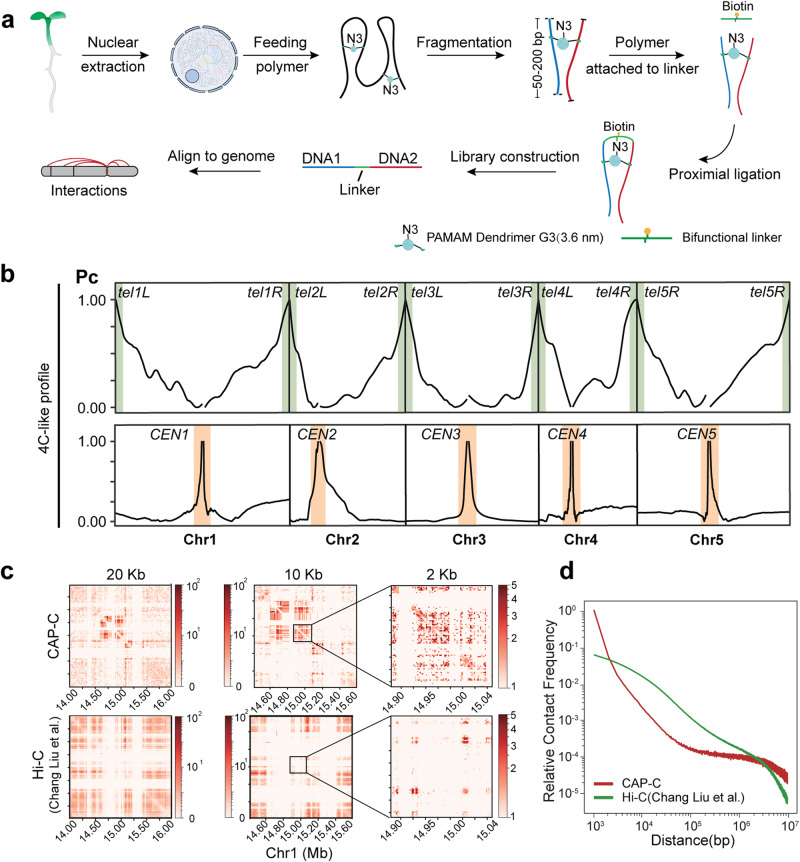
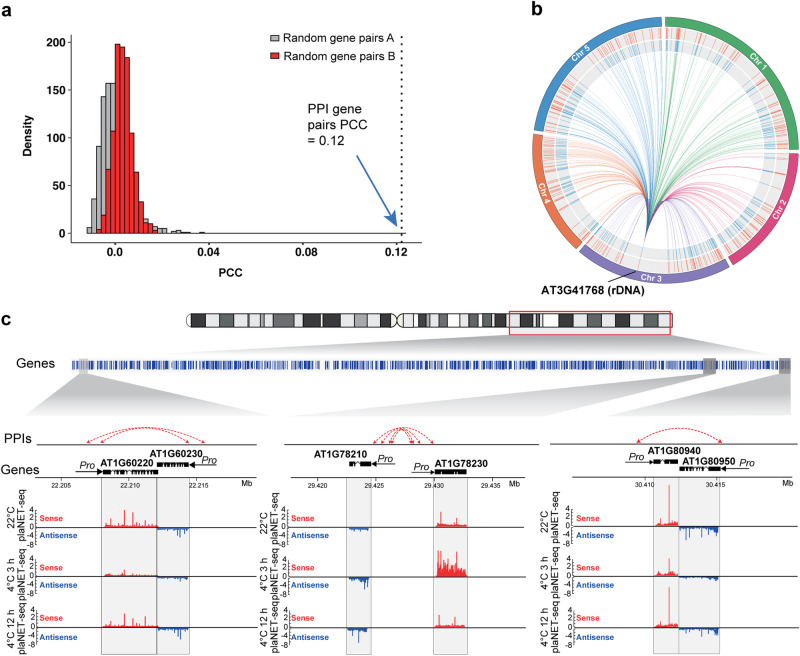
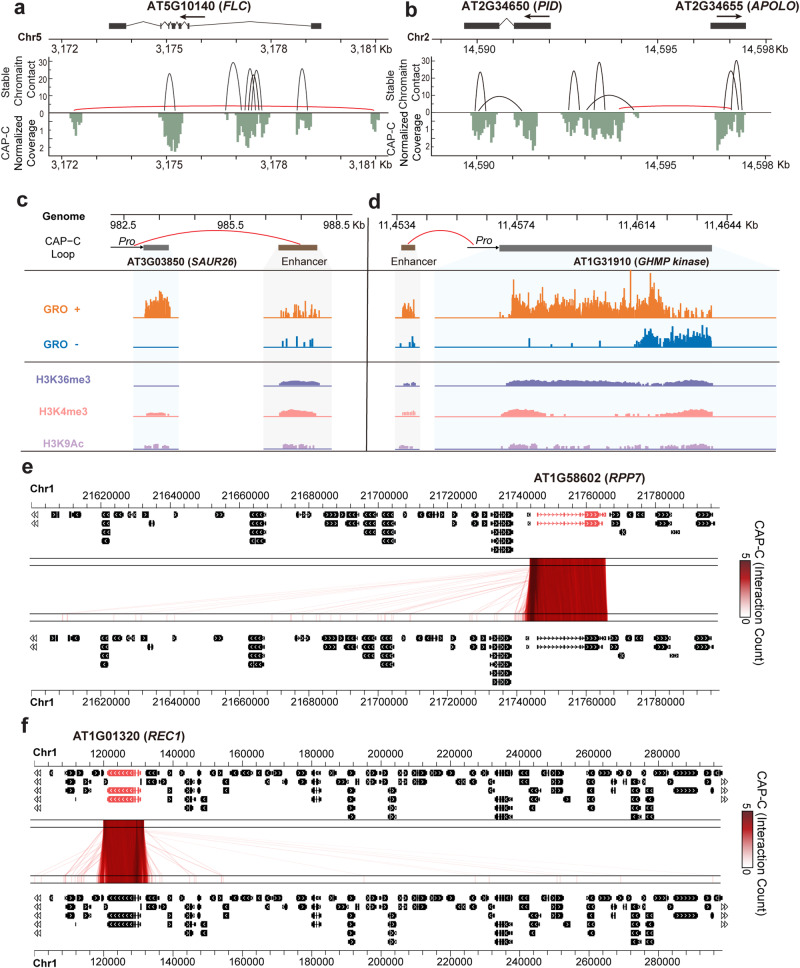
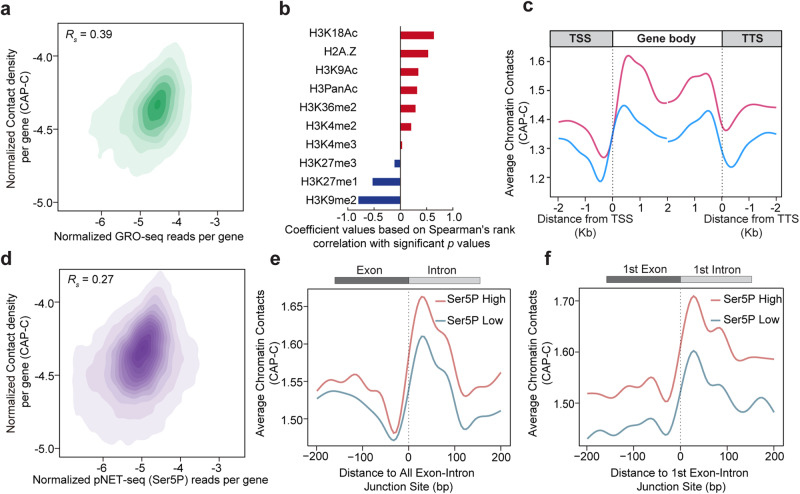
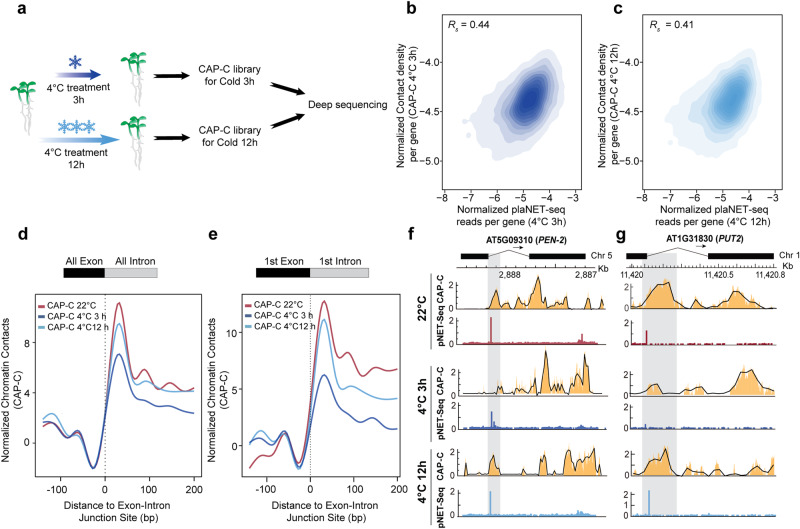
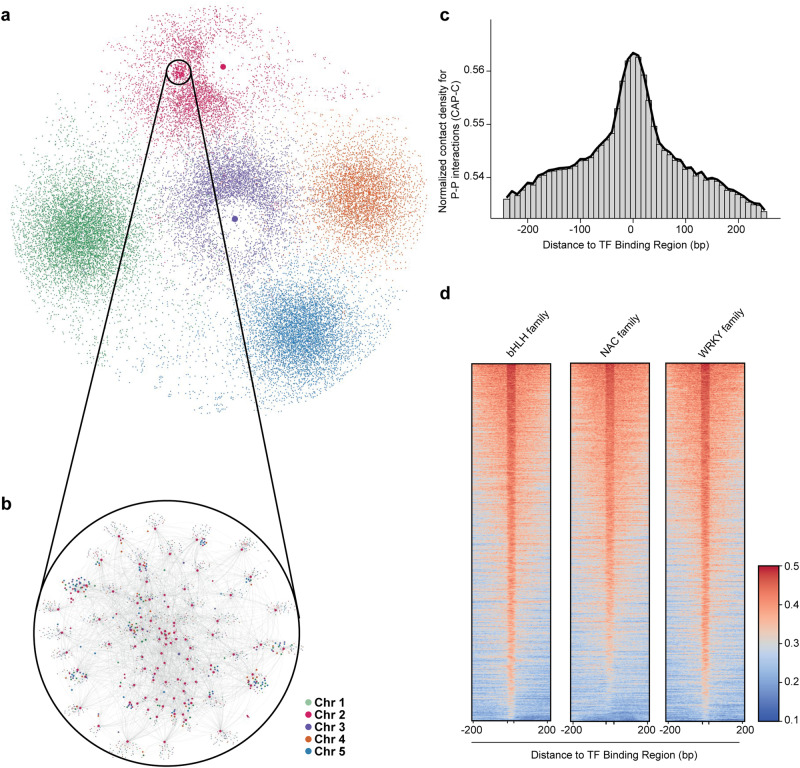
Plants, as sessile organisms, deploy transcriptional dynamics for adapting to extreme growth conditions such as cold stress. Emerging evidence suggests that chromatin architecture contributes to transcriptional regulation. However, the relationship between chromatin architectural dynamics and transcriptional reprogramming in response to cold stress remains unclear. Here, we apply a chemical-crosslinking assisted proximity capture (CAP-C) method to elucidate the fine-scale chromatin landscape, revealing chromatin interactions within gene bodies closely associated with RNA polymerase II (Pol II) densities across initiation, pausing, and termination sites. We observe dynamic changes in chromatin interactions alongside Pol II activity alterations during cold stress, suggesting local chromatin dynamics may regulate Pol II activity. Notably, cold stress does not affect large-scale chromatin conformations. We further identify a comprehensive promoter-promoter interaction (PPI) network across the genome, potentially facilitating co-regulation of gene expression in response to cold stress. Our study deepens the understanding of chromatin conformation-associated gene regulation in plant response to cold.
植物作为固着生物,会通过转录动力学来适应极端生长条件,如冷胁迫。新出现的证据表明,染色质结构有助于转录调控。然而,染色质结构动力学与冷胁迫响应中的转录重编程之间的关系尚不清楚。在这里,我们应用一种化学交联辅助邻近捕获(CAP-C)方法来阐明精细的染色质景观,揭示基因体内的染色质相互作用与 RNA 聚合酶 II(Pol II)密度在起始、暂停和终止位点密切相关。我们观察到在冷胁迫过程中,染色质相互作用与 Pol II 活性改变同时发生动态变化,表明局部染色质动力学可能调节 Pol II 活性。值得注意的是,冷胁迫不会影响大规模染色质构象。我们进一步在整个基因组中识别出一个全面的启动子-启动子相互作用(PPI)网络,可能有助于在冷胁迫下共同调节基因表达。我们的研究深化了对植物应对冷胁迫时染色质构象相关基因调控的理解。