Department of Health Technology, Technical University of Denmark, Lyngby, Denmark.
Instituto de Investigaciones Biotecnológicas, Universidad Nacional de San Martín, Buenos Aires, Argentina.
Front Immunol. 2024 Apr 3;15:1360281. doi: 10.3389/fimmu.2024.1360281. eCollection 2024.
Mutation-derived neoantigens are critical targets for tumor rejection in cancer immunotherapy, and better tools for neoepitope identification and prediction are needed to improve neoepitope targeting strategies. Computational tools have enabled the identification of patient-specific neoantigen candidates from sequencing data, but limited data availability has hindered their capacity to predict which of the many neoepitopes will most likely give rise to T cell recognition.
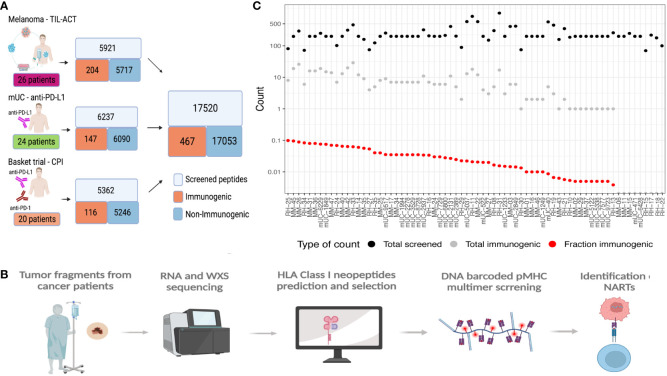
To address this, we make use of experimentally validated T cell recognition towards 17,500 neoepitope candidates, with 467 being T cell recognized, across 70 cancer patients undergoing immunotherapy.
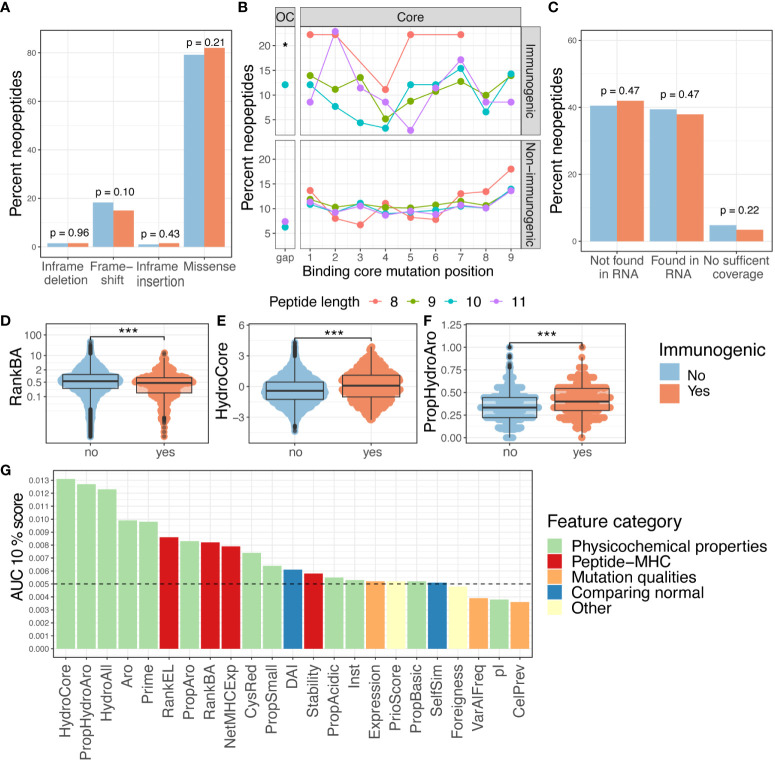
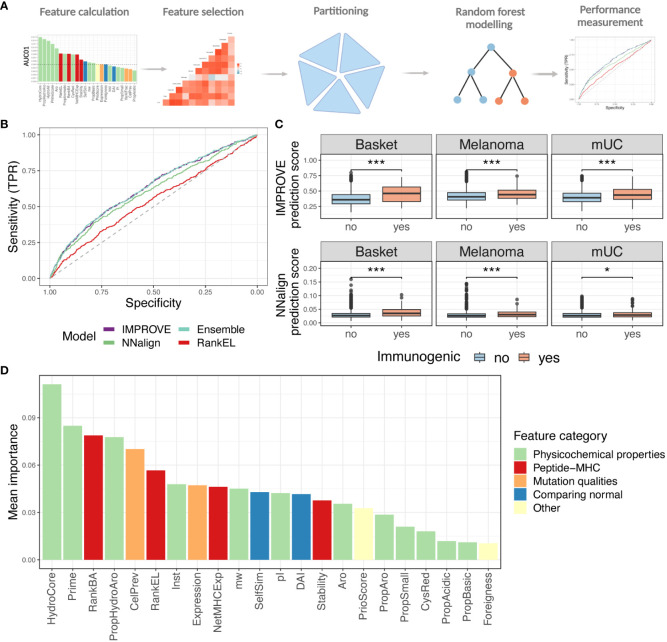
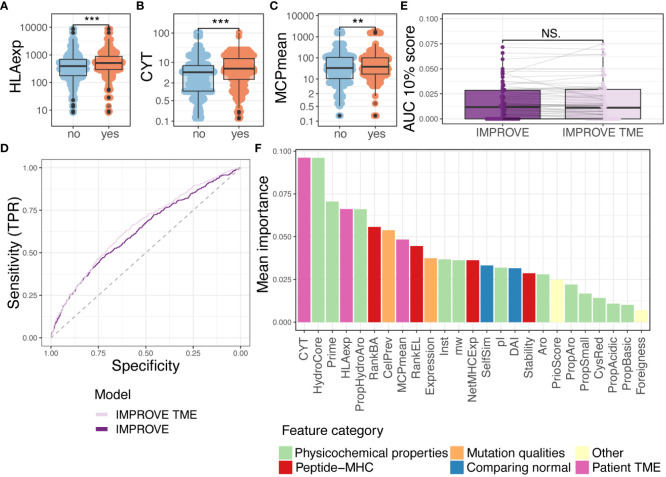
We evaluated 27 neoepitope characteristics, and created a random forest model, IMPROVE, to predict neoepitope immunogenicity. The presence of hydrophobic and aromatic residues in the peptide binding core were the most important features for predicting neoepitope immunogenicity.
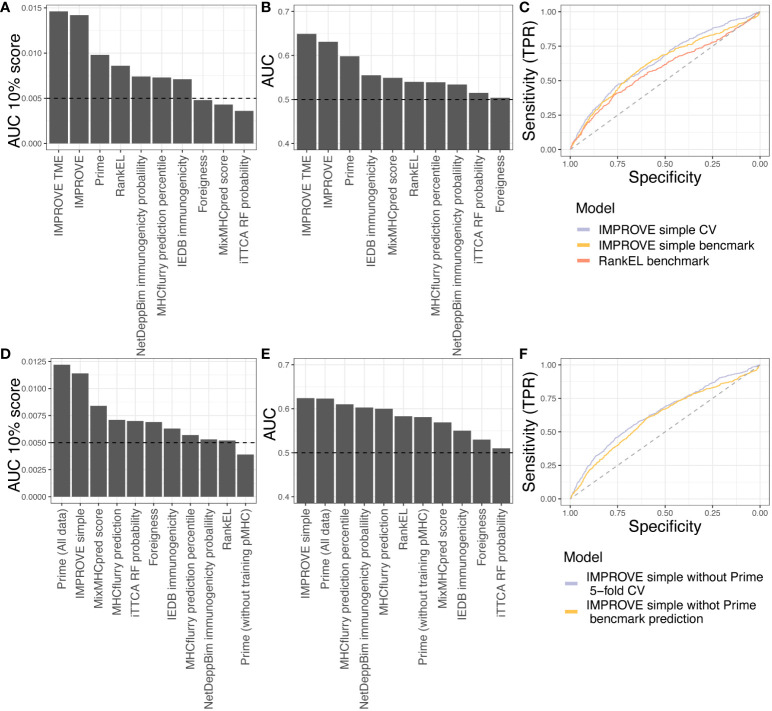
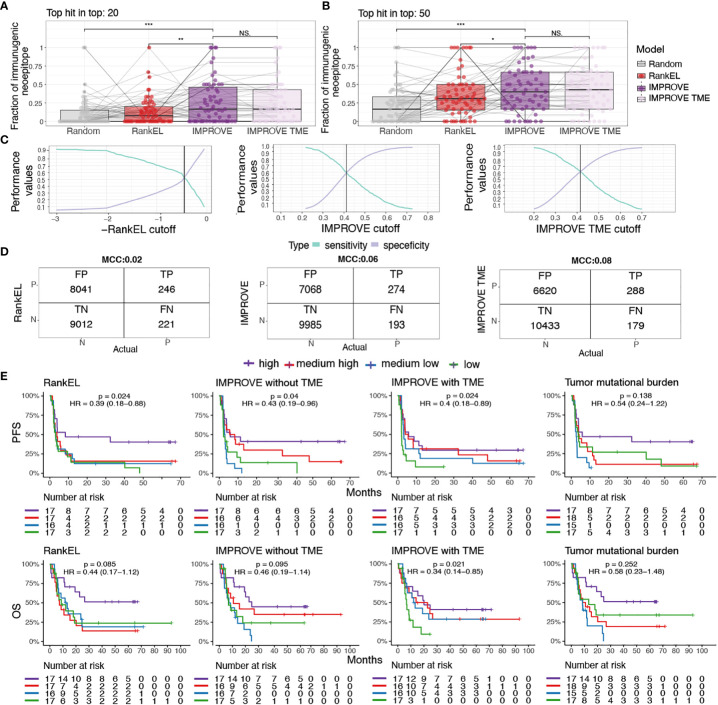
Overall, IMPROVE was found to significantly advance the identification of neoepitopes compared to other current methods.
突变衍生的新抗原是癌症免疫治疗中肿瘤排斥的关键靶点,需要更好的新表位鉴定和预测工具来改进新表位靶向策略。计算工具使我们能够从测序数据中识别患者特异性的新抗原候选物,但数据可用性有限,限制了它们预测哪些新抗原最有可能引发 T 细胞识别的能力。
为了解决这个问题,我们利用了在 70 名接受免疫治疗的癌症患者中,对 17500 个新抗原候选物进行的 17500 个新抗原候选物的实验验证的 T 细胞识别,其中 467 个是 T 细胞识别的。
我们评估了 27 个新表位特征,并创建了一个随机森林模型 IMPROVE,以预测新表位的免疫原性。在肽结合核心中存在疏水性和芳香性残基是预测新表位免疫原性的最重要特征。
总的来说,与其他当前方法相比,IMPROVE 被发现可以显著提高新表位的识别能力。