Ren Yinghui, Qian Yongmei, Zhang Qicheng, Li Xiaoping, Li Mingjiang, Li Wei, Yang Pan, Ren Hengchang, Li Hongxia, Weng Yiqi, Li Dengwen, Xu Ke, Yu Wenli
Department of Anesthesiology, Tianjin First Central Hospital, Tianjin, 300192, China.
Tianjin Key Laboratory of Lung Cancer Metastasis and Tumor Microenvironment, Tianjin Lung Cancer Institute, Tianjin Medical University General Hospital, Tianjin, 300052, China.
Cancer Cell Int. 2024 Apr 20;24(1):142. doi: 10.1186/s12935-024-03309-1.
Hepatocellular carcinoma (HCC) is widely recognized for its unfavorable prognosis. Increasing evidence has revealed that LGALS3 has an essential function in initiating and developing several malignancies in humans. Nevertheless, thorough analysis of the expression profile, clinical prognosis, pathway prediction, and immune infiltration of LGALS3 has not been fully explored in HCC.
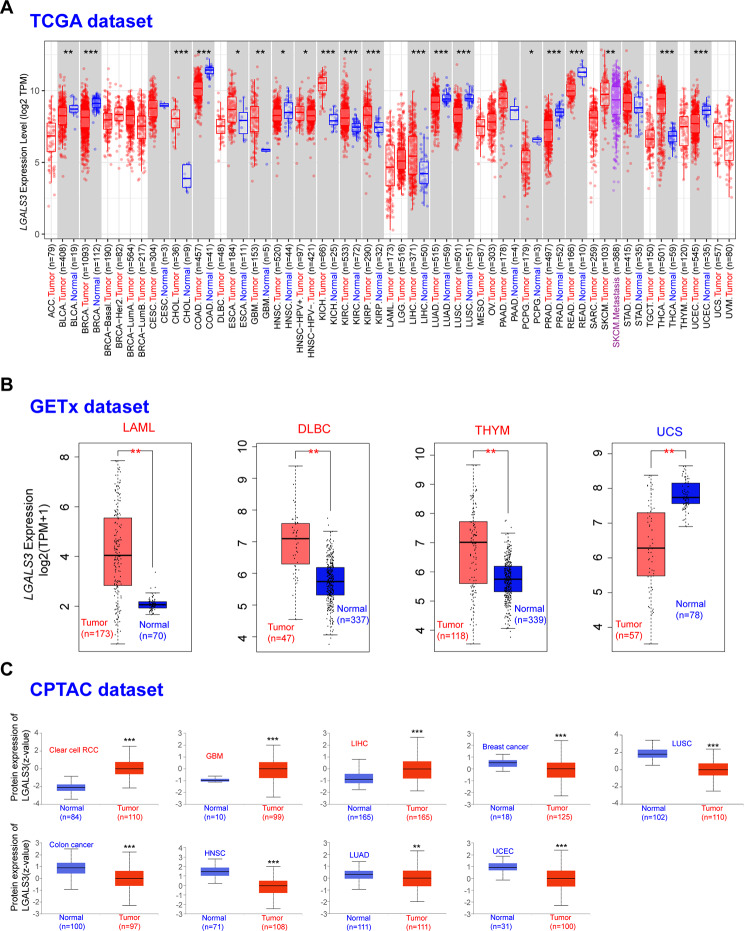
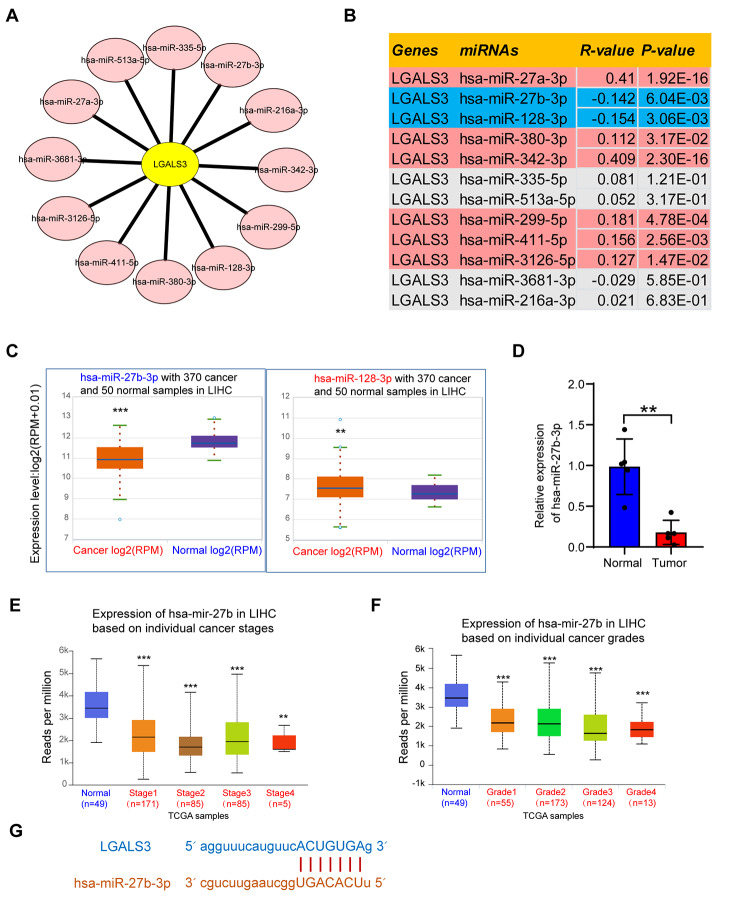
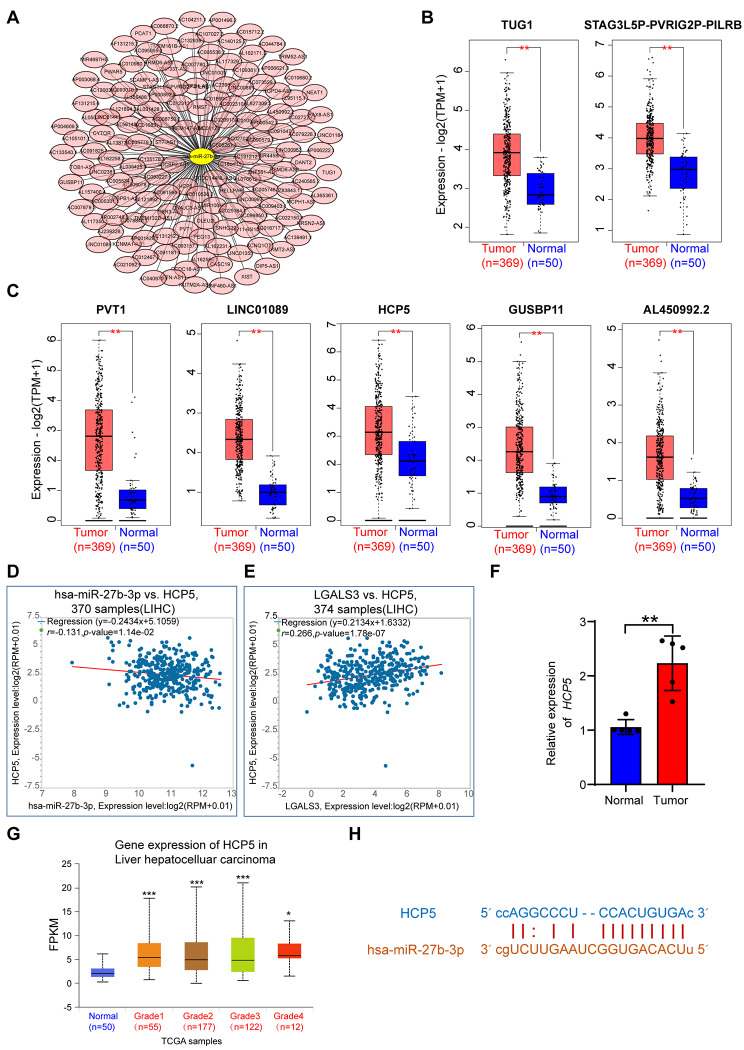
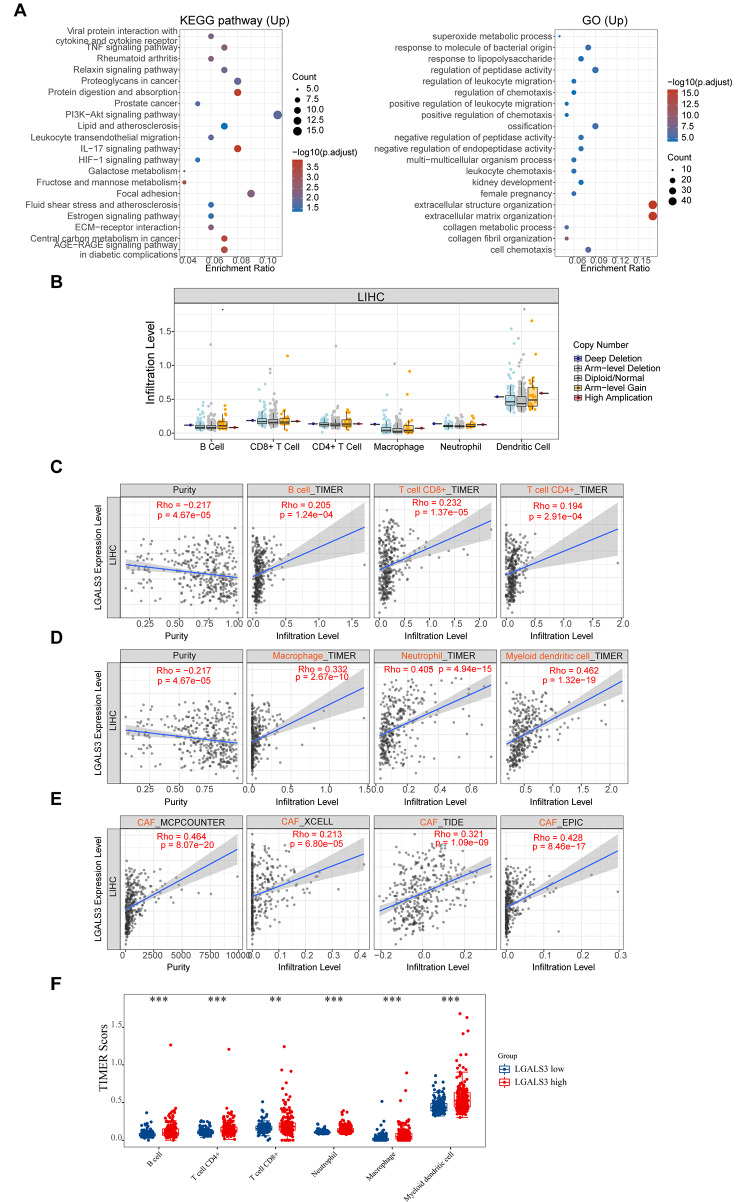
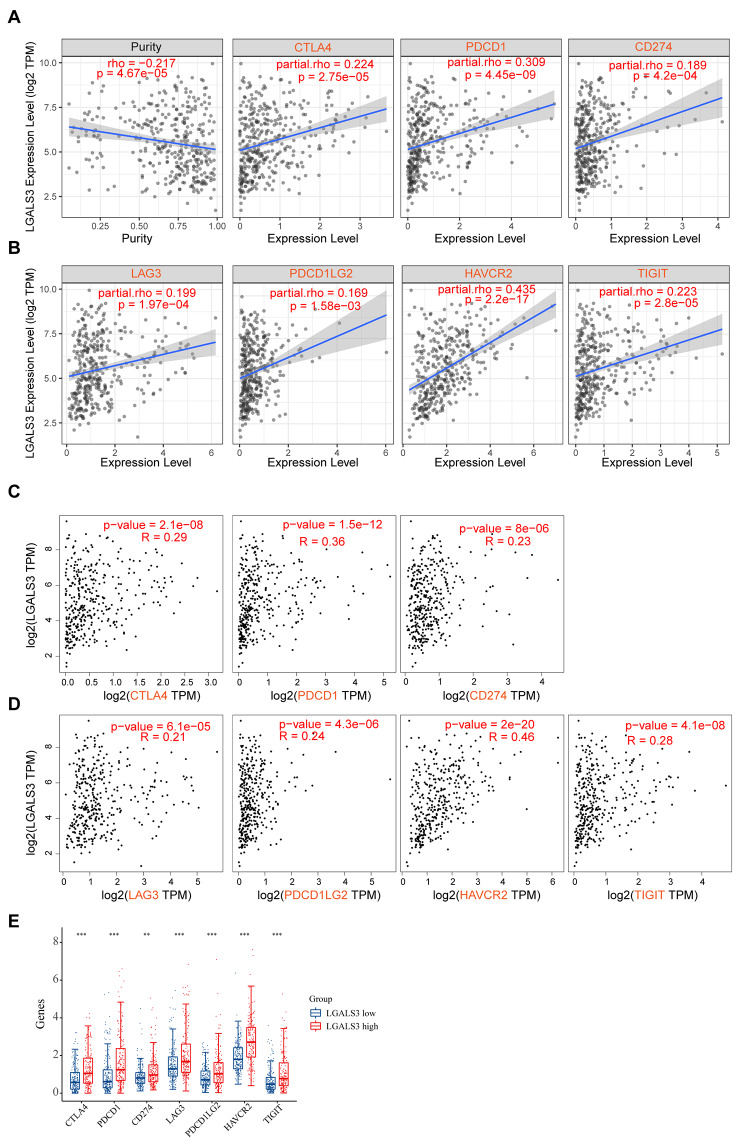
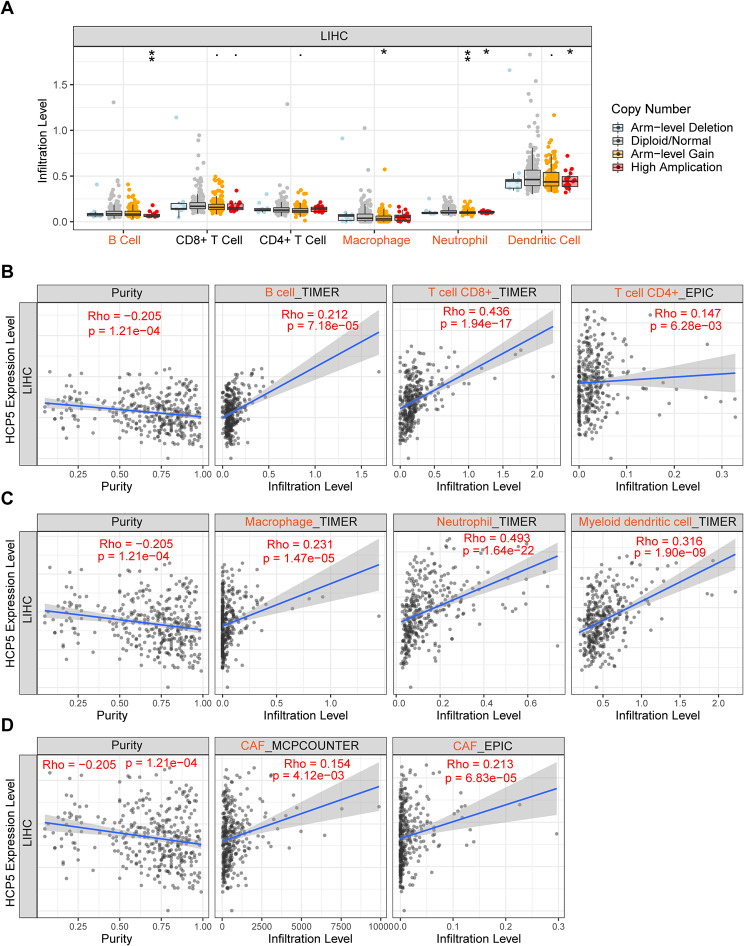
In this study, an initial pan-cancer analysis was conducted to investigate the expression and prognosis of LGALS3. Following a comprehensive analysis, which included expression analysis and correlation analysis, noncoding RNAs that contribute to the overexpression of LGALS3 were subsequently identified. This identification was further validated using HCC clinical tissue samples. TIMER2 and GEPIA2 were employed to examine the correlation between LGALS3 and HCP5 with immunological checkpoints, cell chemotaxis, and immune infiltration in HCC. The R program was applied to analyze the expression distribution of immune score in in HCC patients with high and low LGALS3 expression. The expression profiles of immune checkpoints were also analyzed. Use R to perform GSVA analysis in order to explore potential signaling pathways.
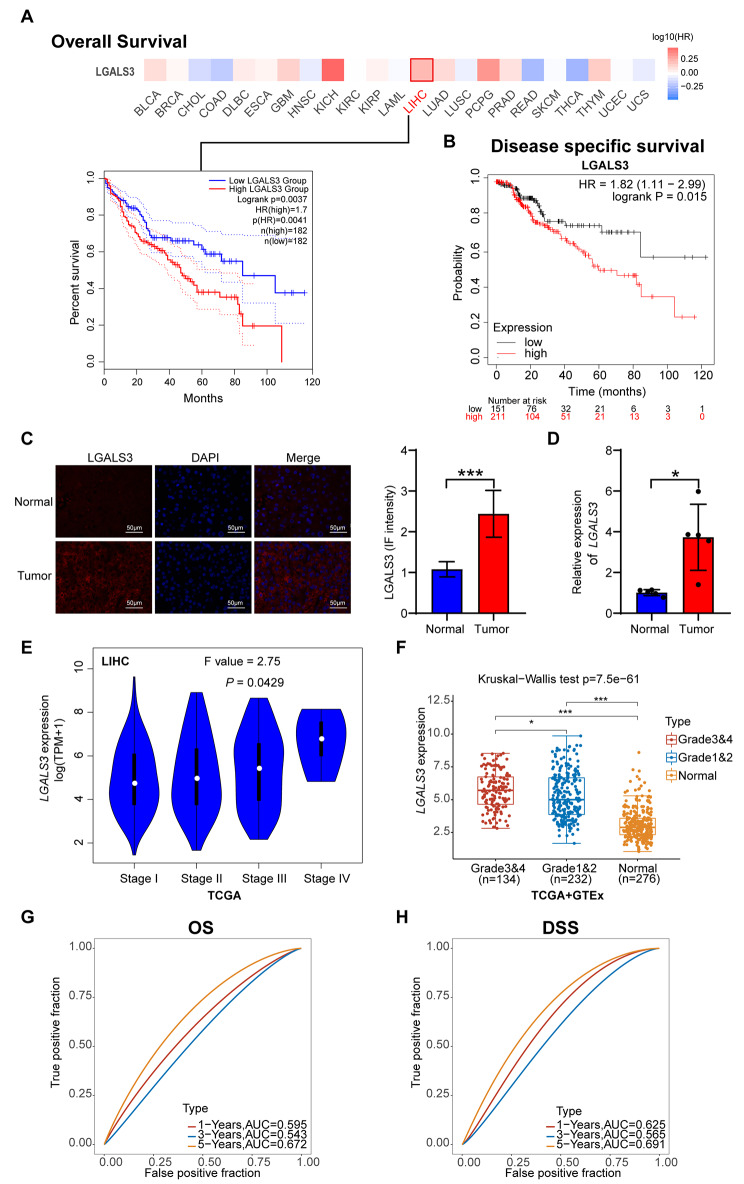
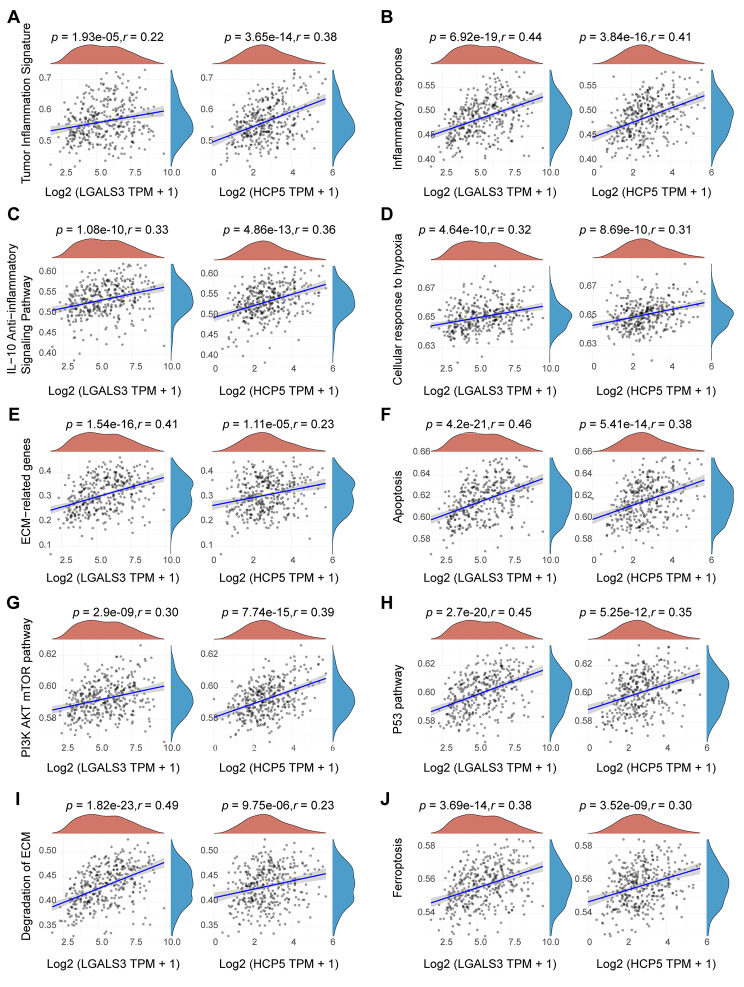
First, we conducted pan-cancer analysis for LGALS3 expression level through an in-depth analysis of public databases and found that HCC has a high LGALS3 gene and protein expression level, which were then verified in clinical HCC specimens. Meanwhile, high LGALS3 gene expression is related to malignant progression and poor prognosis of HCC. Univariate and multivariate analyses confirmed that LGALS3 could serve as an independent prognostic marker for HCC. Next, by combining comprehensive analysis and validation on HCC clinical tissue samples, we hypothesize that the HCP5/hsa-miR-27b-3p axis could serve as the most promising LGALS3 regulation mechanism in HCC. KEGG and GO analyses highlighted that the LGALS3-related genes were involved in tumor immunity. Furthermore, we detected a significant positive association between LGALS3 and HCP5 with immunological checkpoints, cell chemotaxis, and immune infiltration. In addition, high LGALS3 expression groups had significantly higher immune cell scores and immune checkpoint expression levels. Finally, GSVA analysis was performed to predict potential signaling pathways linked to LGALS3 and HCP5 in immune evasion and metabolic reprogramming of HCC.
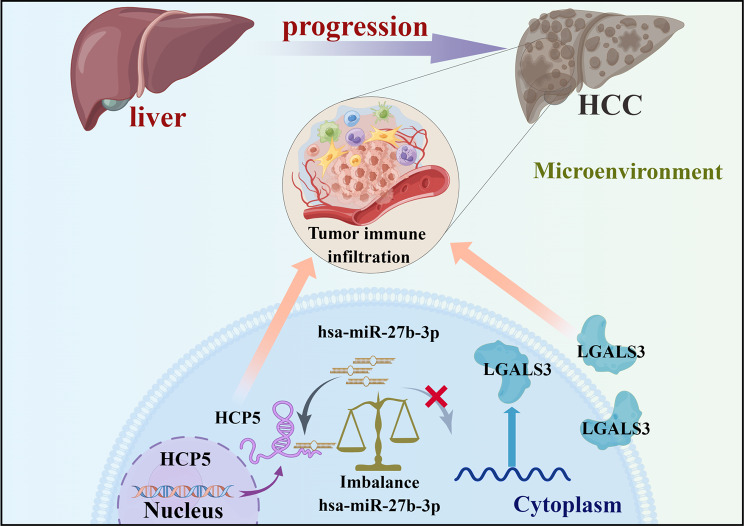
Our findings indicated that the upregulation of LGALS3 via the HCP5/hsa-miR-27b-3p axis is associated with unfavorable prognosis and increased tumor immune infiltration in HCC.
肝细胞癌(HCC)因其预后不良而广为人知。越来越多的证据表明,半乳糖凝集素3(LGALS3)在人类多种恶性肿瘤的发生和发展中起着重要作用。然而,在HCC中,尚未对LGALS3的表达谱、临床预后、通路预测和免疫浸润进行全面分析。
在本研究中,首先进行了一项泛癌初步分析,以研究LGALS3的表达和预后。在综合分析(包括表达分析和相关性分析)之后,随后鉴定了导致LGALS3过表达的非编码RNA。使用HCC临床组织样本对这一鉴定结果进行了进一步验证。利用TIMER2和GEPIA2来研究LGALS3与HCP5在HCC中的免疫检查点、细胞趋化性和免疫浸润之间的相关性。应用R程序分析LGALS3表达高低的HCC患者中免疫评分的表达分布。还分析了免疫检查点的表达谱。使用R进行基因集变异分析(GSVA),以探索潜在的信号通路。
首先,我们通过对公共数据库的深入分析,对LGALS3的表达水平进行了泛癌分析,发现HCC中LGALS3基因和蛋白表达水平较高,随后在临床HCC标本中得到验证。同时,LGALS3基因高表达与HCC的恶性进展和不良预后相关。单因素和多因素分析证实,LGALS3可作为HCC的独立预后标志物。接下来,通过对HCC临床组织样本进行综合分析和验证,我们假设HCP5/hsa-miR-27b-3p轴可能是HCC中最有前景的LGALS3调控机制。KEGG和GO分析表明,LGALS3相关基因参与肿瘤免疫。此外,我们检测到LGALS3和HCP5在免疫检查点、细胞趋化性和免疫浸润方面存在显著正相关。此外,LGALS3高表达组的免疫细胞评分和免疫检查点表达水平显著更高。最后,进行GSVA分析,以预测在HCC免疫逃逸和代谢重编程中与LGALS3和HCP5相关的潜在信号通路。
我们的研究结果表明,通过HCP5/hsa-miR-27b-3p轴上调LGALS3与HCC的不良预后和肿瘤免疫浸润增加有关。