Zarate-Gonzalez Gilda, Brown Paul, Cisneros Ricardo
Department of Public Health, University of California, Merced, CA, USA.
J Asthma Allergy. 2024 Apr 17;17:369-382. doi: 10.2147/JAA.S455745. eCollection 2024.
The San Joaquin Valley (SJV) is often recognized as one of the most polluted regions in the US. Periods of pollution exposure are associated with increased health burden related to respiratory inflammation and undermined lung function, which aggravates respiratory diseases such as asthma and leads to symptoms such as coughing, wheezing, or difficulty breathing. Asthma costs US$ 82 billion annually in healthcare costs, missed work and school in the US.
Employing a societal perspective, a cost of illness design was combined with environmental epidemiological methods to analyze the economic impact of O, NO, and PM-related adverse respiratory health outcomes amongst SJV residents who attended the emergency department (ED) or were hospitalized in 2016.
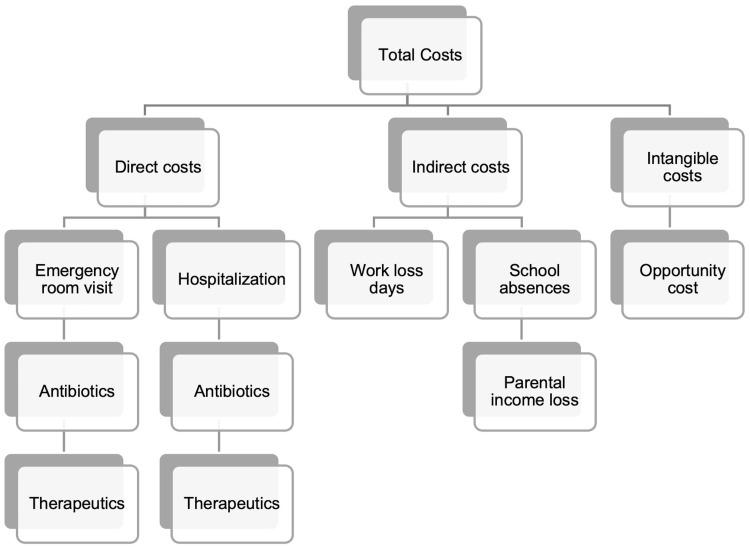
Asthma exacerbations monetized value ranged from US$ 3353 to US$ 5003 per ED visit and for hospital admissions US$ 2584 per inpatient day for adults 65 years and older to US$ 3023 per child. The estimated value to society in healthcare costs, productivity losses, school absences, and opportunity costs from air pollution adverse health outcomes totaled US$ 498,014,124 in ED visits and US$ 223,552,720 in hospital admissions for the SJV population in 2016. The marginal reduction in the background concentrations of pollutants would avert 21,786 ED adverse events and 19,328 hospitalizations from the health burden on the SJV population or US$ 8,024,505 cost savings due to O, US$ 82,482,683 from NO reductions, and US$ 46,214,702 from decreased concentration of PM.
This study provides evidence that air pollution is a negative externality that imposes substantial social, environmental, and healthcare costs on the SJV. Furthermore, the region would avert significant adverse health outcomes realizing economic savings by reducing air pollution and exposures.
圣华金河谷(SJV)常被认为是美国污染最严重的地区之一。接触污染的时期与呼吸系统炎症相关的健康负担增加以及肺功能受损有关,这会加重哮喘等呼吸系统疾病,并导致咳嗽、喘息或呼吸困难等症状。在美国,哮喘每年在医疗费用、误工和缺课方面造成820亿美元的损失。
从社会角度出发,将疾病成本设计与环境流行病学方法相结合,以分析2016年前往急诊科(ED)就诊或住院的SJV居民中,与臭氧、一氧化氮和颗粒物相关的不良呼吸健康结果的经济影响。
哮喘急性发作的货币化价值为每次急诊就诊3353美元至5003美元,住院方面,65岁及以上成年人每住院一天为2584美元,儿童为3023美元。2016年,SJV人群因空气污染不良健康结果导致的医疗费用、生产力损失、缺课和机会成本给社会造成的估计价值总计急诊就诊为4.98014124亿美元,住院为2.2355272亿美元。污染物背景浓度的边际降低将避免21786起急诊不良事件和19328例住院,从而减轻SJV人群的健康负担,或因臭氧减少节省802.4505万美元成本,因一氧化氮减少节省8248.2683万美元,因颗粒物浓度降低节省4621.4702万美元。
本研究提供的证据表明,空气污染是一种负外部性,给SJV带来了巨大的社会、环境和医疗成本。此外,该地区通过减少空气污染和接触,可避免重大不良健康结果并实现经济节约。