Department of Biological Sciences, University of Cincinnati, Cincinnati, Ohio, United States of America.
Department of Plant and Microbial Biology, Biotechnology Institute, University of Minnesota, St. Paul, Minnesota, United States of America.
PLoS One. 2024 Apr 26;19(4):e0301497. doi: 10.1371/journal.pone.0301497. eCollection 2024.
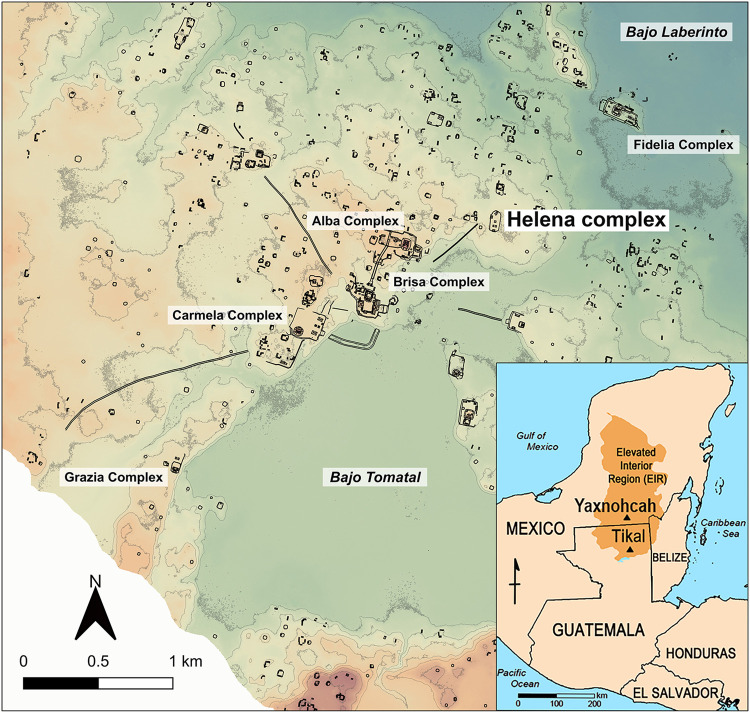
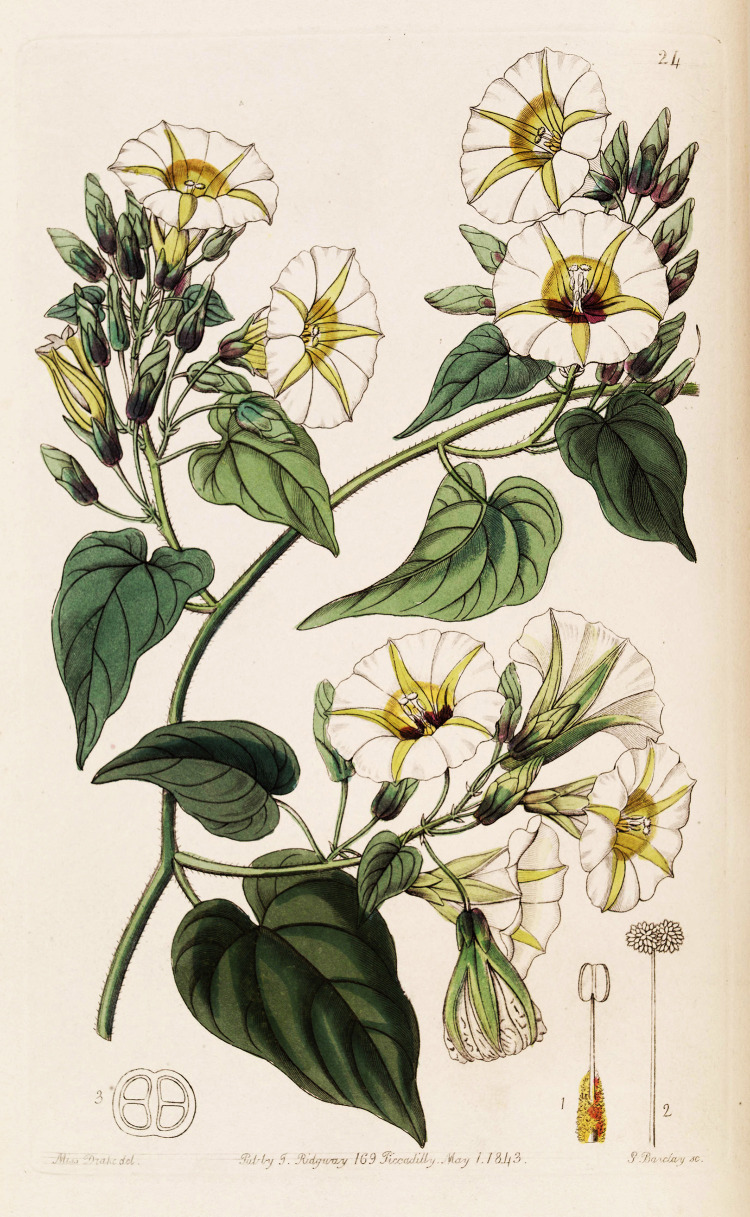
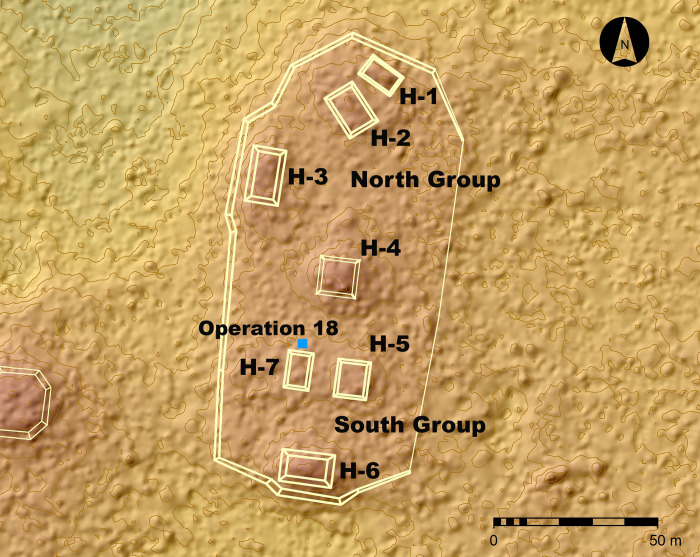
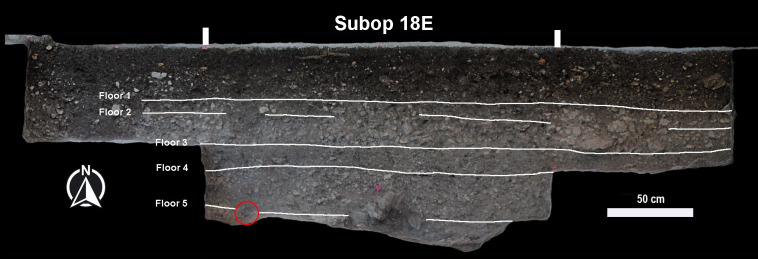
For millennia, healing and psychoactive plants have been part of the medicinal and ceremonial fabric of elaborate rituals and everyday religious practices throughout Mesoamerica. Despite the essential nature of these ritual practices to the societal framework of past cultures, a clear understanding of the ceremonial life of the ancient Maya remains stubbornly elusive. Here we record the discovery of a special ritual deposit, likely wrapped in a bundle, located beneath the end field of a Late Preclassic ballcourt in the Helena complex of the Maya city of Yaxnohcah. This discovery was made possible by the application of environmental DNA technology. Plants identified through this analytical process included Ipomoea corymbosa (xtabentun in Mayan), Capsicum sp. (chili pepper or ic in Mayan), Hampea trilobata (jool), and Oxandra lanceolata (chilcahuite). All four plants have recognized medicinal properties. Two of the plants, jool and chilcahuite, are involved in artifact manufacture that have ceremonial connections while chili peppers and xtabentun have been associated with divination rituals. Xtabentun (known to the Aztecs as ololiuhqui) produces highly efficacious hallucinogenic compounds and is reported here from Maya archaeological contexts for the first time.
数千年来,治疗和致幻植物一直是中美洲医学和仪式文化的一部分,存在于精心制作的仪式和日常宗教实践中。尽管这些仪式实践对于过去文化的社会结构具有重要意义,但对于古代玛雅人的仪式生活,我们仍然难以清晰理解。在这里,我们记录了在玛雅城市 yaxnohcah 的 helena 建筑群中,一个晚期古典期球场的末端场地下面,发现了一个可能包裹在束中的特殊仪式性埋藏物。这项发现是通过应用环境 DNA 技术实现的。通过这个分析过程确定的植物包括Ipomoea corymbosa(xtabentun 在玛雅语中)、Capsicum sp.(chili pepper 或 ic 在玛雅语中)、Hampea trilobata(jool)和 Oxandra lanceolata(chilcahuite)。这四种植物都具有公认的药用特性。其中两种植物,jool 和 chilcahuite,与具有仪式联系的文物制造有关,而辣椒和 xtabentun 则与占卜仪式有关。xtabentun(在阿兹特克语中称为 ololiuhqui)产生高效的致幻化合物,这是第一次在玛雅考古背景下报告。