Kafu-Quvane Babalwa, Mlaba Sanelisiwe
Faculty of Education, University of Fort Hare, Alice 5700, South Africa.
Faculty of Applied Sciences, Cape Peninsula University of Technology, Cape Town 8000, South Africa.
Int J Environ Res Public Health. 2024 Apr 9;21(4):458. doi: 10.3390/ijerph21040458.
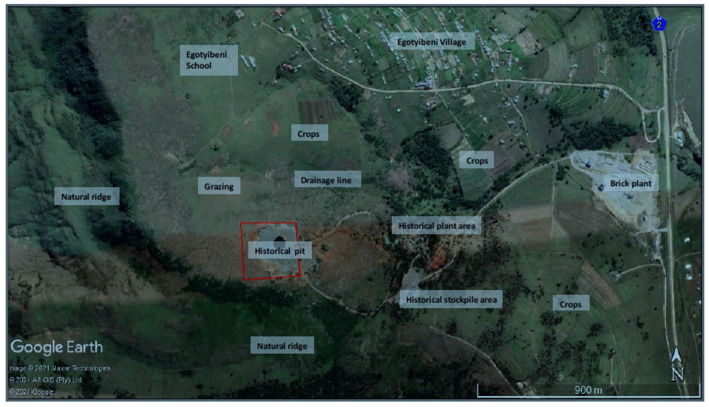
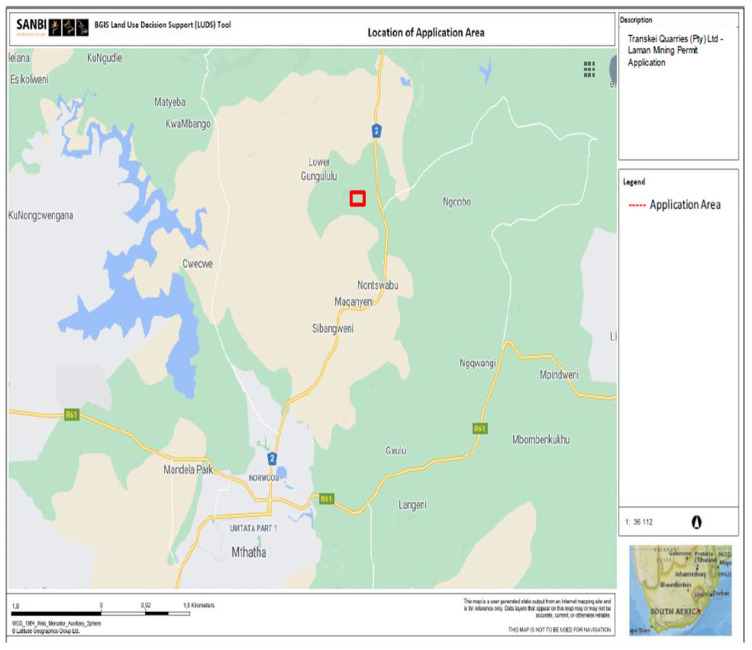
In this study, we investigated the impact of quarrying as an environmental ethical crisis. The need for the study arose when we realised the deteriorating effect of the quality of life in our community, which is located next to a limestone quarry. To obtain a deeper understanding of the adverse impact on the environment and the quality of life of the people living in the community around the quarry, we explored the workers from the community, and the members of the community-based organisation's (CBO) experiences. We employed a qualitative method research approach, using a single case study design. We adopted a utilitarian perspective and Pinchot's conservation as ethical systems that determine morality based on the greatest good for the greatest number. Both provide a framework for analysing environmental problems and ethical crises associated with limestone quarrying. We generated data using face-to-face interviews and focus group discussions. We present and discuss data through the following themes: analysis of the social and cultural impacts on local communities and indigenous people, assessment of the ecological consequences on biodiversity and habitat destruction, and examination of the effects on water resources, air quality, and soil erosion. The results show that the negative effects of the quarry on the environment have always worried the local people. The company's disrespect for the community and ignorance of the laws governing quarry activities is the root of the ethical dilemma. The detrimental effects that the operations have on human health and safety as well as the environment is the other ethical dilemma, which includes, land degradation, vibrations, air, and water pollution.
在本研究中,我们调查了采石场开采作为一种环境伦理危机所带来的影响。当我们意识到位于石灰岩采石场旁边的社区生活质量不断恶化时,便产生了开展此项研究的需求。为了更深入地了解采石场对周边社区环境及居民生活质量的不利影响,我们探究了来自该社区的工人以及社区组织(CBO)成员的经历。我们采用定性研究方法,运用单案例研究设计。我们采用功利主义视角和平肖的保护理念作为伦理体系,这些体系基于为最多数人谋求最大利益来确定道德标准。两者都为分析与石灰岩采石场开采相关的环境问题和伦理危机提供了框架。我们通过面对面访谈和焦点小组讨论来收集数据。我们通过以下主题呈现和讨论数据:分析对当地社区和原住民的社会文化影响、评估对生物多样性和栖息地破坏的生态后果,以及审视对水资源、空气质量和土壤侵蚀的影响。结果表明,采石场对环境的负面影响一直令当地居民担忧。公司对社区的不尊重以及对采石活动相关法律的漠视是伦理困境的根源。采石场运营对人类健康与安全以及环境造成的有害影响是另一个伦理困境,其中包括土地退化、振动、空气和水污染。