Faculty of Economics, Department of Economics Statistics, Technical University of Liberec, Liberec, Czech Republic.
Department of Travel and Tourism, College of Polytechnics Jihlava, Jihlava, Czech Republic.
PLoS One. 2024 Apr 29;19(4):e0301936. doi: 10.1371/journal.pone.0301936. eCollection 2024.
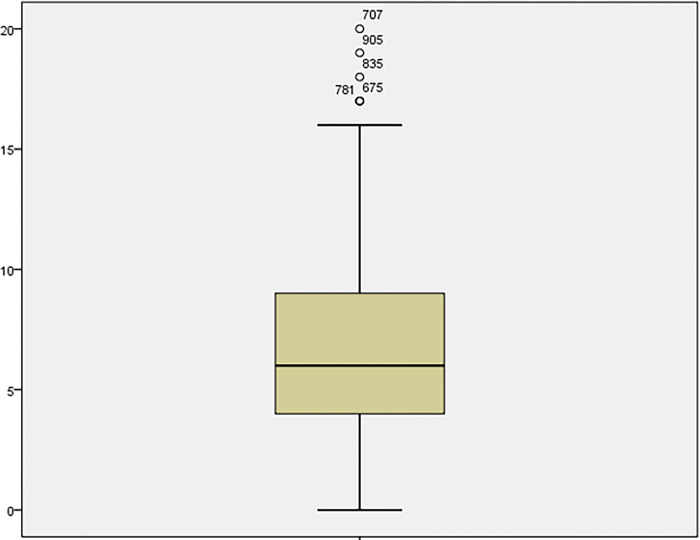
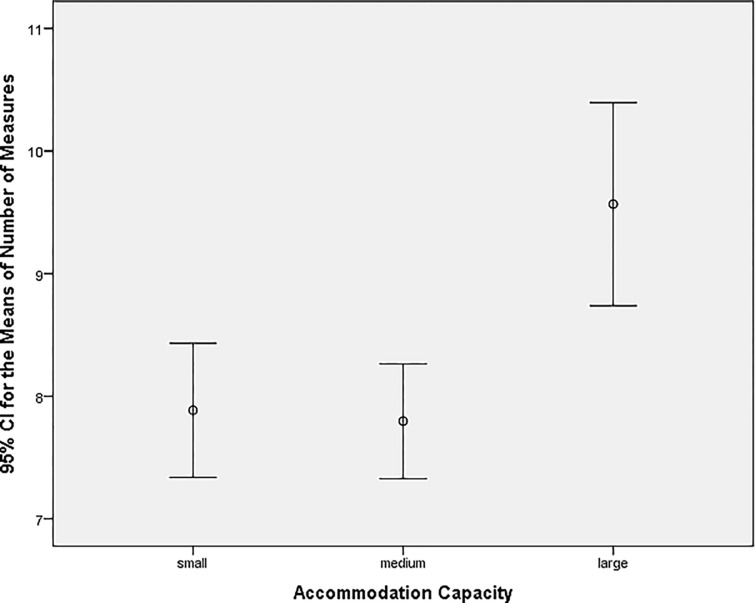
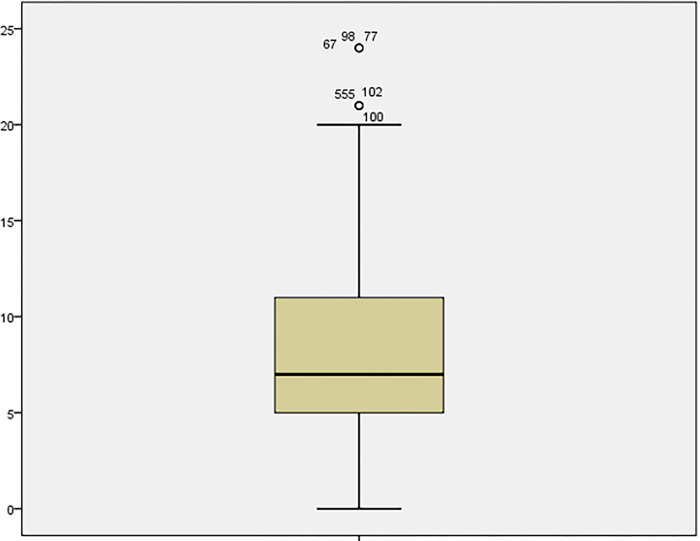
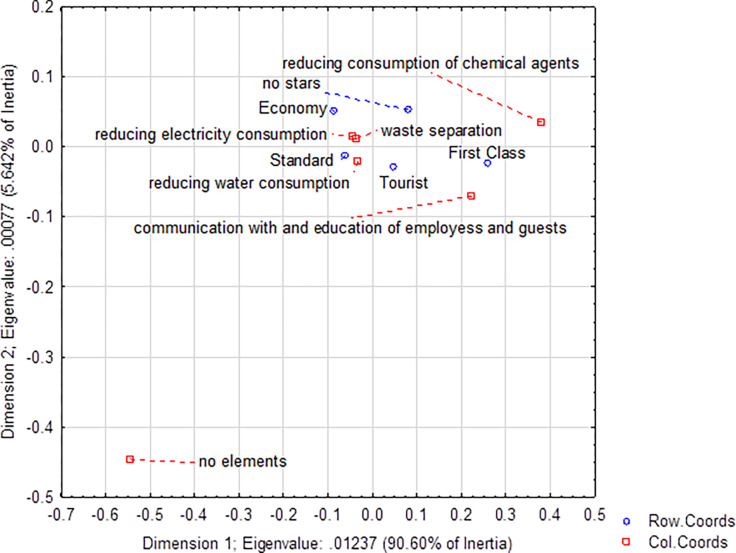
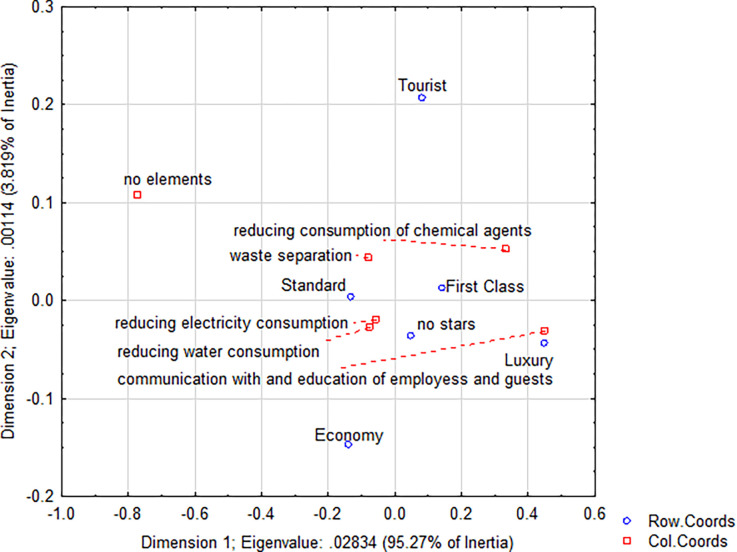
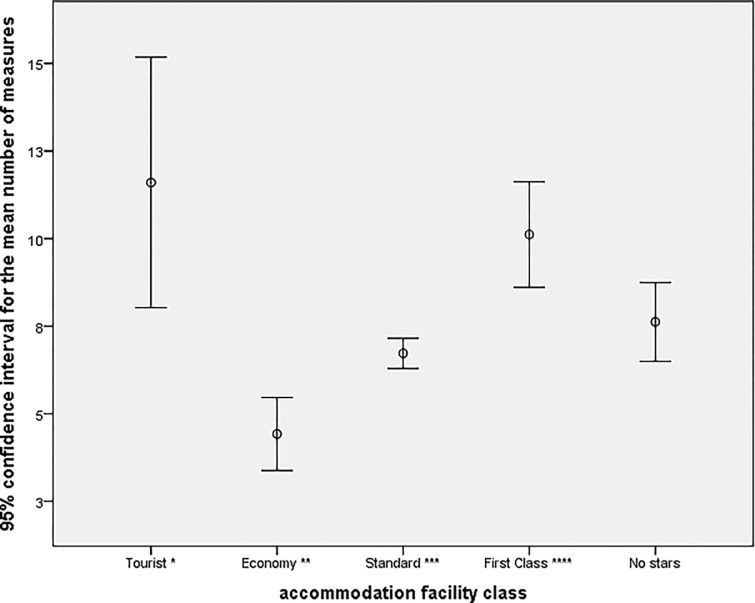
The economic recovery of the tourism industry after the Covid-19 pandemic to find modern and efficient trends to increase profitability is accompanied by the adoption of comprehensive accommodation approaches towards resilience and environmental sustainability. The research aims at the application of environmental management elements and measures in all types of accommodation facilities in the Czech Republic (n1 = 1,016). A qualitative focus group method complemented the quantitative research using correspondence analysis, Levene's, Kruskal-Wallis, and Tukey's HSD tests (n2 = 9 + moderator). The results indicate that the differences in the number of environmental measures implemented were minimal for the monitored hotels and guesthouses. On the other hand, the star rating of accommodation facilities is not a key parameter in the environmental impact assessment. The most used environmental measures were devices reducing electricity consumption (hotels 94%, guesthouses 94%), separating waste (hotels 88%, guesthouses 89%), and water consumption reduction (hotels 85%, guesthouses 86%). At the same time, the most minor used were measures reducing chemical consumption (hotels 23%, guesthouses 22%) communication and environmental education of employees and guests (hotels 32%, guesthouses 18%).
旅游业在新冠疫情后的经济复苏过程中,为了寻找提高盈利能力的现代和高效趋势,同时采取了全面的住宿方式来提高弹性和环境可持续性。本研究旨在将环境管理要素和措施应用于捷克共和国的所有类型住宿设施中(n1=1016)。定性焦点小组方法补充了使用对应分析、莱文检验、克鲁斯卡尔-沃利斯检验和图基 HSD 检验的定量研究(n2=9+主持人)。结果表明,监测酒店和民宿实施的环境措施数量差异极小。另一方面,住宿设施的星级并不是环境影响评估的关键参数。使用最多的环境措施是减少用电的设备(酒店 94%,民宿 94%)、垃圾分类(酒店 88%,民宿 89%)和减少用水量(酒店 85%,民宿 86%)。同时,使用最少的措施是减少化学物质消耗(酒店 23%,民宿 22%)、员工和客人的沟通和环境教育(酒店 32%,民宿 18%)。