Department of Surgery (A), Heinrich-Heine-University and University Hospital Duesseldorf, Duesseldorf, Germany.
Department of Surgery, Katholisches Klinikum Essen, Philippusstift, Teaching Hospital of Duisburg-Essen University, Huelsmannstrasse 17, 45355, Essen, Germany.
Updates Surg. 2024 Jun;76(3):769-782. doi: 10.1007/s13304-024-01847-x. Epub 2024 May 3.
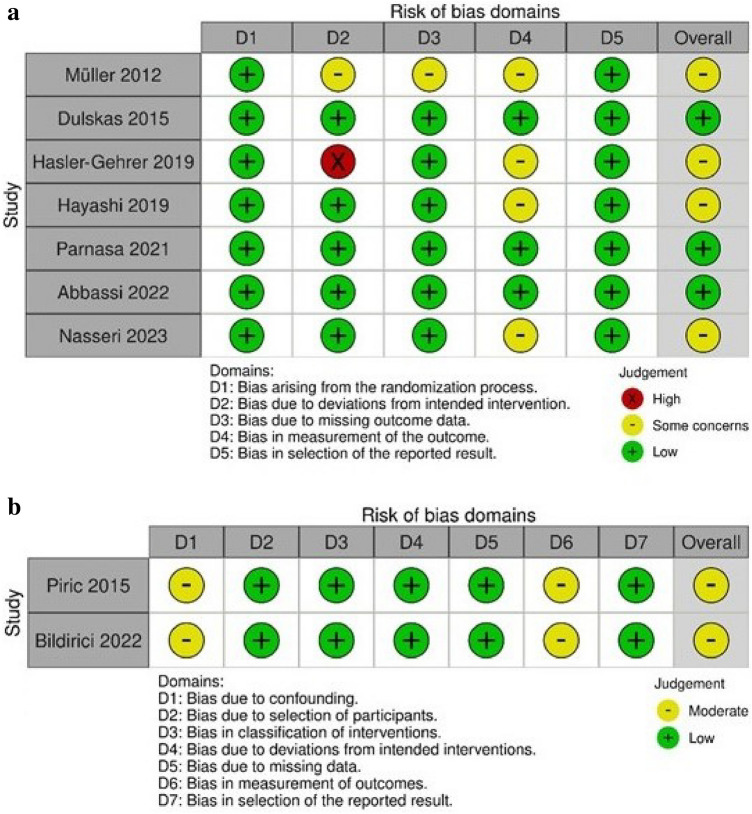
Postoperative ileus (POI) after colorectal surgery is a major problem that affects both patient recovery and hospital costs highlighting the importance of preventive strategies. Therefore, we aimed to perform a systematic analysis of the effects of postoperative caffeine consumption on bowel recovery and surgical morbidity after colorectal surgery. A comprehensive literature search was conducted through September 2023 for randomized and non-randomized trials comparing the effect of caffeinated versus non-caffeinated drinks on POI by evaluating bowel movement resumption, time to first flatus and solid food intake, and length of hospital stay (LOS). Secondary outcome analysis included postoperative morbidity in both groups. After data extraction and inclusion in a meta-analysis, odds ratios (ORs) for dichotomous variables and standardized mean differences (SMDs) for continuous outcomes with 95% confidence intervals (CIs) were calculated. Subgroup analyses were performed in cases of substantial heterogeneity. Six randomized and two non-randomized trials with a total of 610 patients were included in the meta-analysis. Caffeine intake significantly reduced time to first bowel movement [SMD -0.39, (95% CI -0.66 to -0.12), p = 0.005] and time to first solid food intake [SMD -0.41, (95% CI -0.79 to -0.04), p = 0.03] in elective laparoscopic colorectal surgery, while time to first flatus, LOS, and the secondary outcomes did not differ significantly. Postoperative caffeine consumption may be a reasonable strategy to prevent POI after elective colorectal surgery. However, larger randomized controlled trials (RCTs) with homogeneous study protocols, especially regarding the dosage form of caffeine and coffee, are needed.
术后肠梗阻(POI)是结直肠手术后的一个主要问题,它影响患者的恢复和医院的成本,突出了预防策略的重要性。因此,我们旨在对术后咖啡因摄入对结直肠手术后肠道恢复和手术发病率的影响进行系统分析。通过 2023 年 9 月对随机和非随机试验进行全面的文献检索,比较了含咖啡因与不含咖啡因饮料对 POI 的影响,评估了排便恢复、首次排气时间和固体食物摄入时间以及住院时间(LOS)。次要结局分析包括两组的术后发病率。在数据提取并纳入荟萃分析后,使用 95%置信区间(CI)计算二项变量的比值比(OR)和连续结果的标准化均数差(SMD)。在存在显著异质性的情况下进行亚组分析。荟萃分析纳入了 6 项随机试验和 2 项非随机试验,共 610 例患者。咖啡因摄入显著缩短了首次排便时间[SMD -0.39,(95% CI -0.66 至 -0.12),p=0.005]和首次固体食物摄入时间[SMD -0.41,(95% CI -0.79 至 -0.04),p=0.03],而首次排气时间、LOS 和次要结局无显著差异。术后咖啡因摄入可能是预防择期结直肠手术后 POI 的合理策略。然而,需要进行更大规模的随机对照试验(RCT),且这些 RCT 具有同质的研究方案,尤其是在咖啡因和咖啡的剂型方面。