Huret Christophe, Ferrayé Léa, David Antoine, Mohamed Myriame, Valentin Nicolas, Charlotte Frédéric, Savignac Magali, Goodhardt Michele, Guéry Jean-Charles, Rougeulle Claire, Morey Céline
Université Paris Cité, CNRS, Epigenetics and Cell Fate, F-75013 Paris, France.
Toulouse Institute for Infectious and Inflammatory Diseases (Infinity), INSERM UMR1291, CNRS UMR5051, University Paul Sabatier, Toulouse, France.
Sci Adv. 2024 May 3;10(18):eadn6537. doi: 10.1126/sciadv.adn6537.
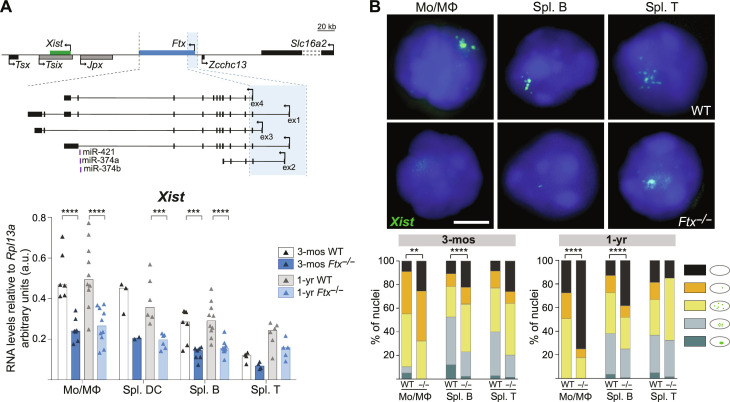
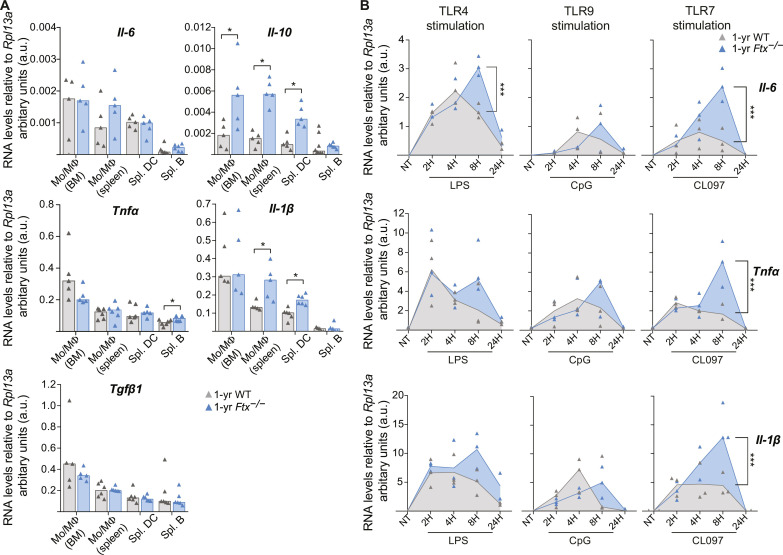
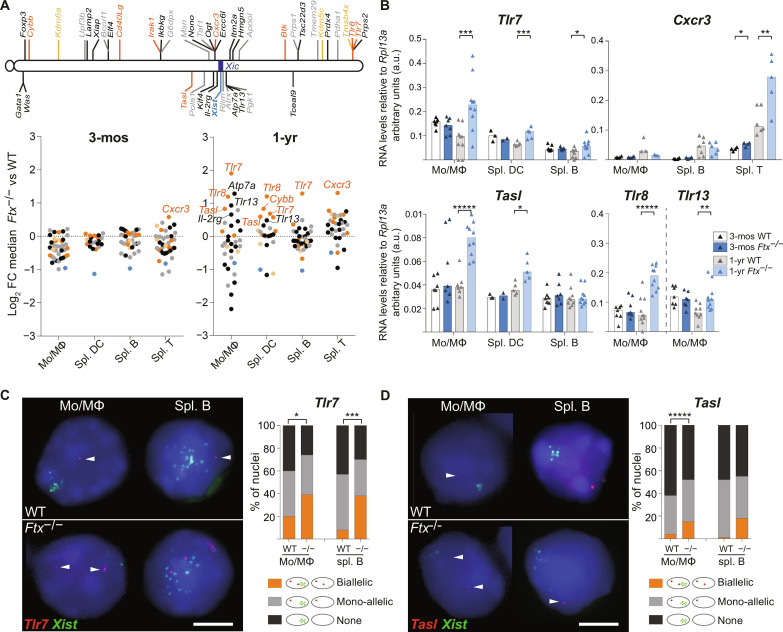
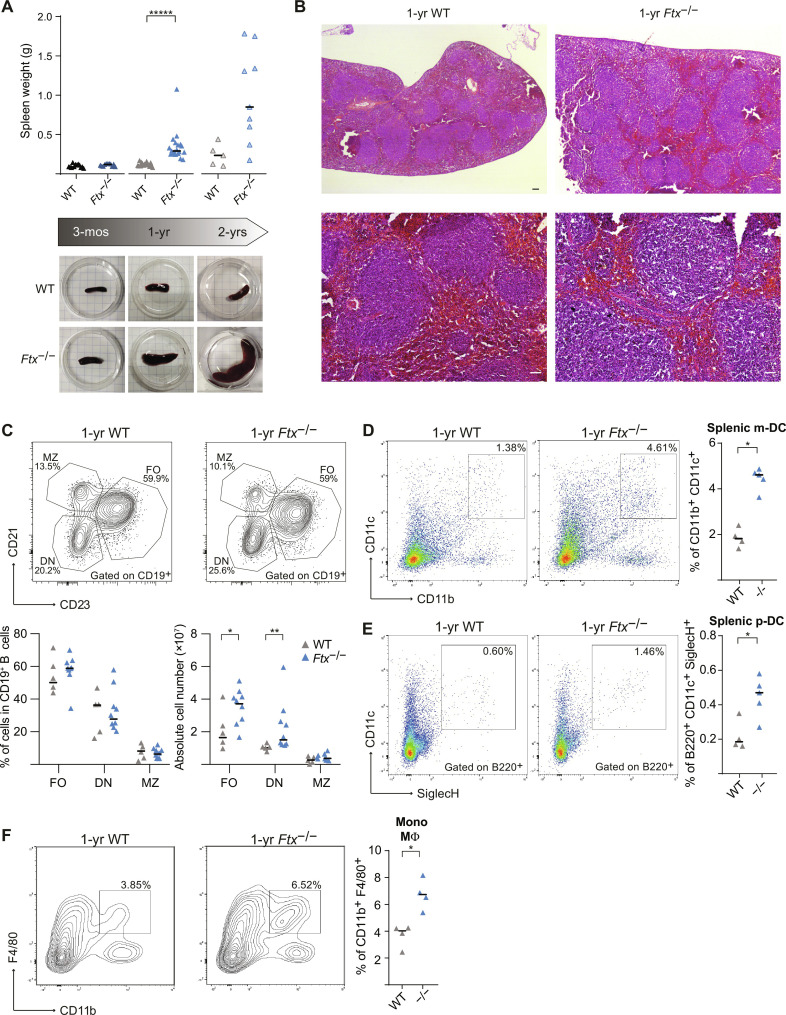
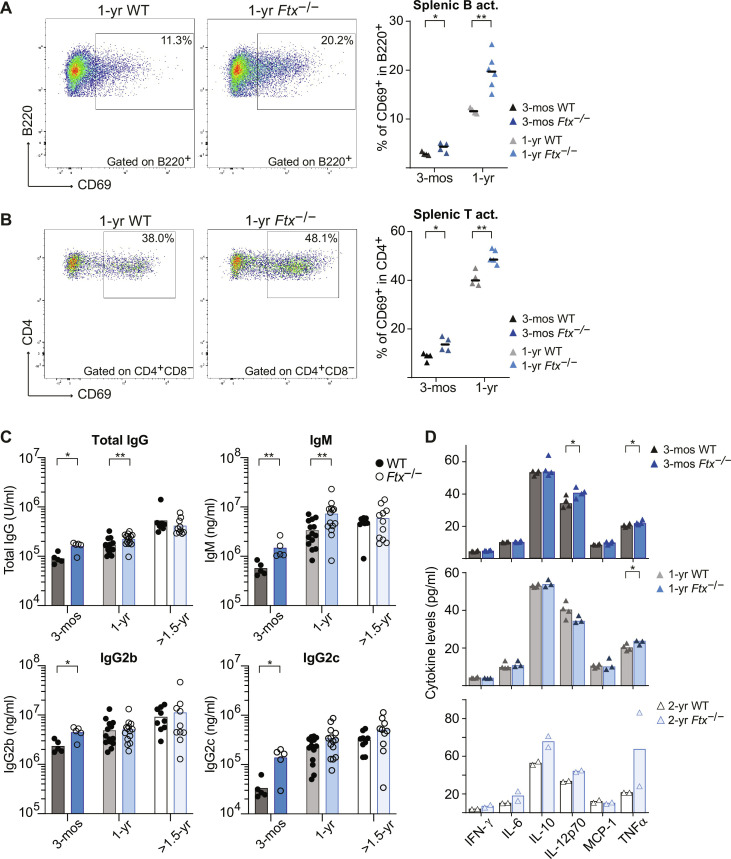
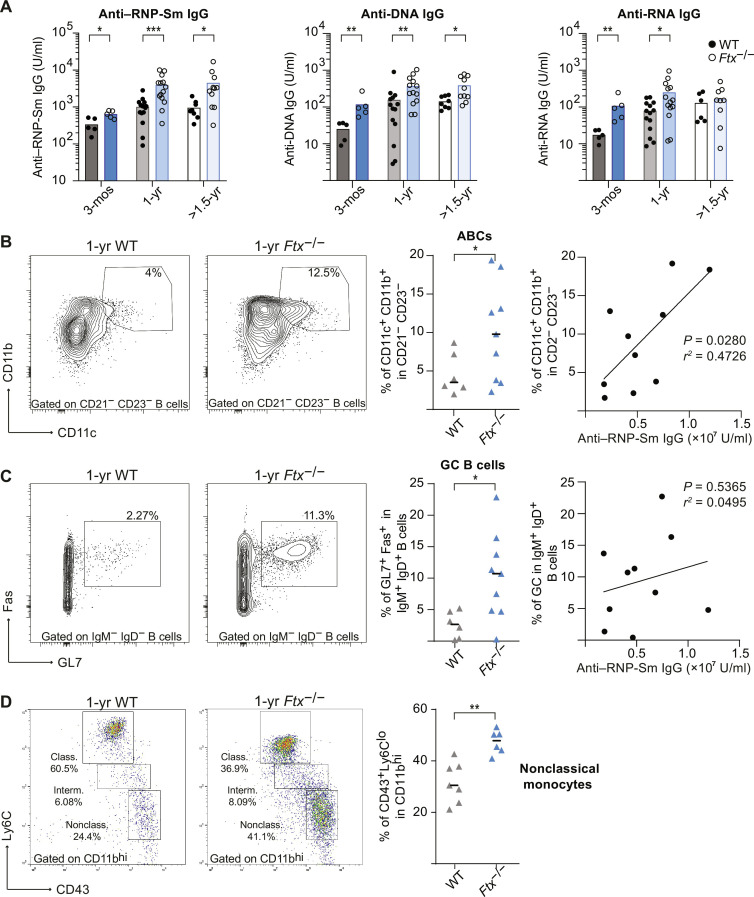
In mammals, males and females show marked differences in immune responses. Males are globally more sensitive to infectious diseases, while females are more susceptible to systemic autoimmunity. X-chromosome inactivation (XCI), the epigenetic mechanism ensuring the silencing of one X in females, may participate in these sex biases. We perturbed the expression of the trigger of XCI, the noncoding RNA , in female mice. This resulted in reactivation of genes on the inactive X, including members of the Toll-like receptor 7 (TLR7) signaling pathway, in monocyte/macrophages and dendritic and B cells. Consequently, female mice spontaneously developed inflammatory signs typical of lupus, including anti-nucleic acid autoantibodies, increased frequencies of age-associated and germinal center B cells, and expansion of monocyte/macrophages and dendritic cells. Mechanistically, TLR7 signaling is dysregulated in macrophages, leading to sustained expression of target genes upon stimulation. These findings provide a direct link between maintenance of XCI and female-biased autoimmune manifestations and highlight altered XCI as a cause of autoimmunity.
在哺乳动物中,雄性和雌性在免疫反应方面表现出显著差异。总体而言,雄性对传染病更敏感,而雌性更容易患全身性自身免疫病。X染色体失活(XCI)是确保雌性一条X染色体沉默的表观遗传机制,可能参与了这些性别差异。我们干扰了雌性小鼠中XCI触发因子非编码RNA的表达。这导致了单核细胞/巨噬细胞、树突状细胞和B细胞中失活X上的基因重新激活,包括Toll样受体7(TLR7)信号通路的成员。因此,雌性小鼠自发出现了狼疮典型的炎症迹象,包括抗核酸自身抗体、年龄相关B细胞和生发中心B细胞频率增加,以及单核细胞/巨噬细胞和树突状细胞的扩增。从机制上讲,巨噬细胞中TLR7信号失调,导致刺激后靶基因持续表达。这些发现提供了XCI维持与女性偏向的自身免疫表现之间的直接联系,并突出了XCI改变是自身免疫的一个原因。