Kim Deogil, Lee Min-Ju, Arai Yoshie, Ahn Jinsung, Lee Gun Woo, Lee Soo-Hong
Department of Biomedical Engineering, Dongguk University-Seoul, 04620, Seoul, South Korea.
Bioact Mater. 2024 May 9;38:331-345. doi: 10.1016/j.bioactmat.2024.05.011. eCollection 2024 Aug.
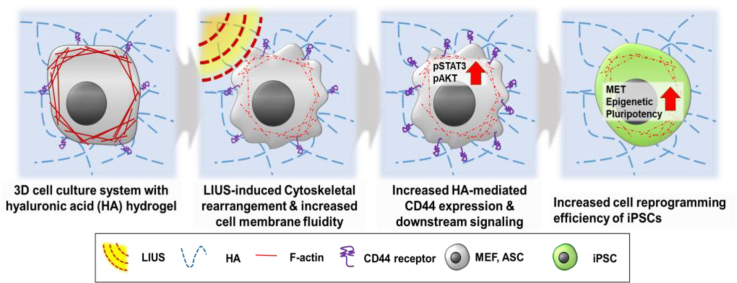
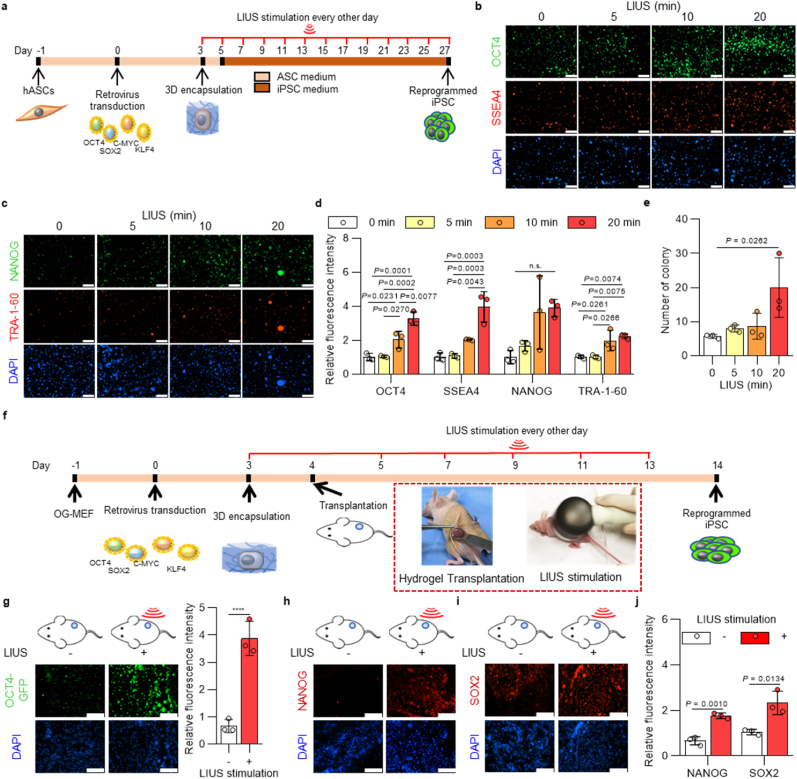
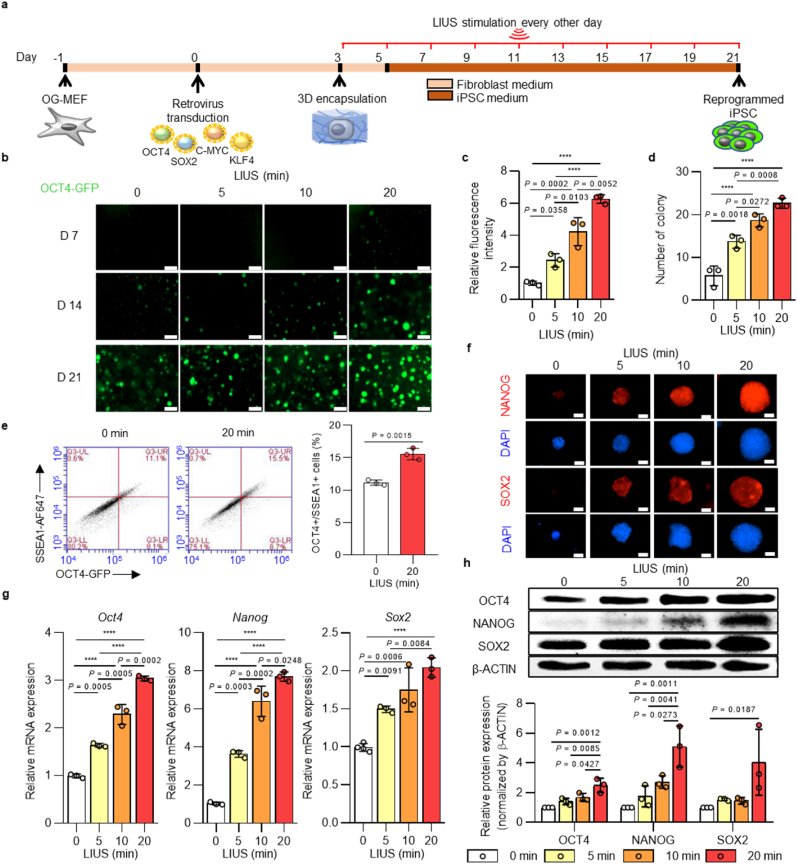
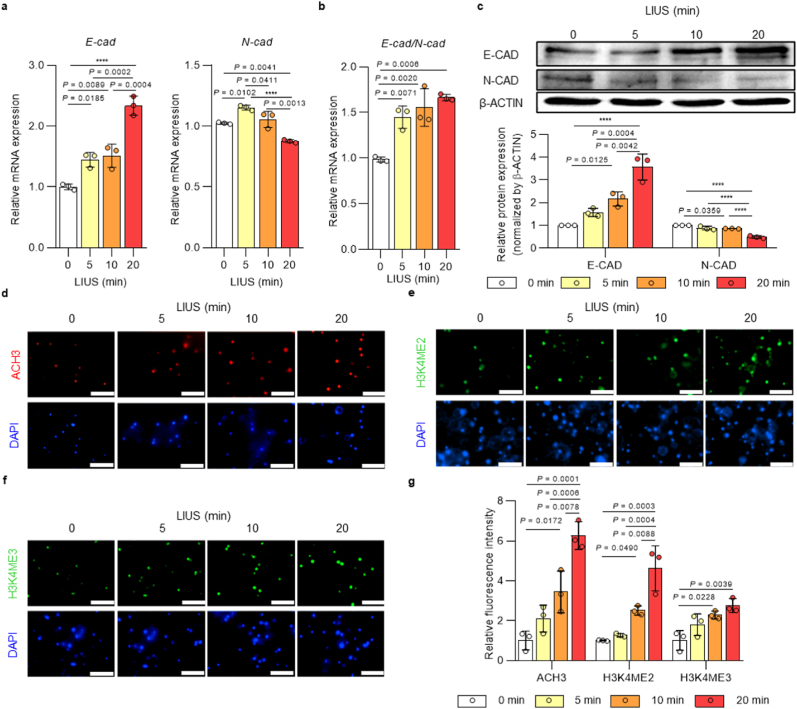
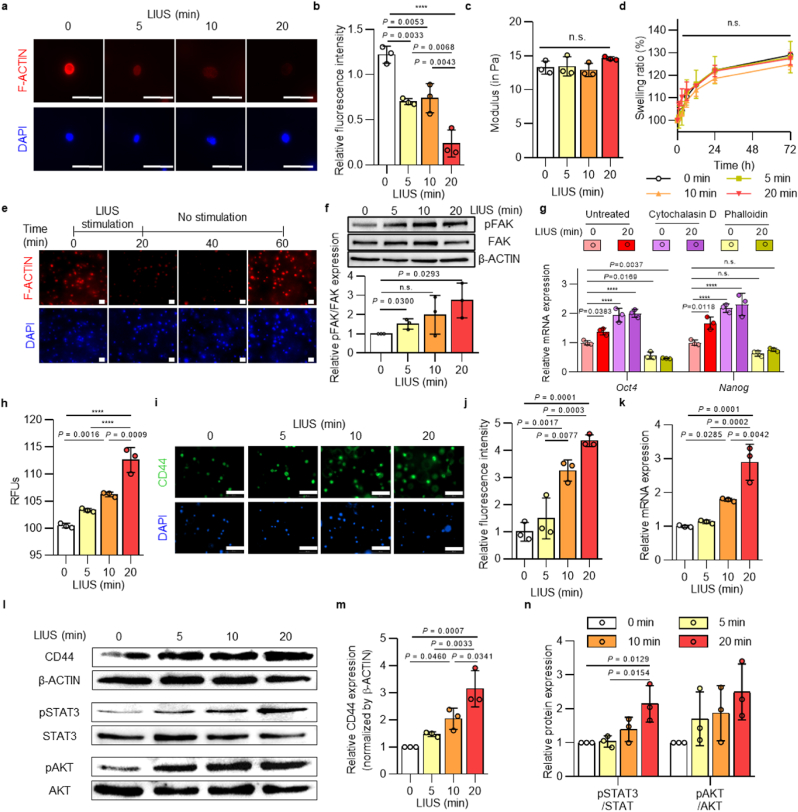
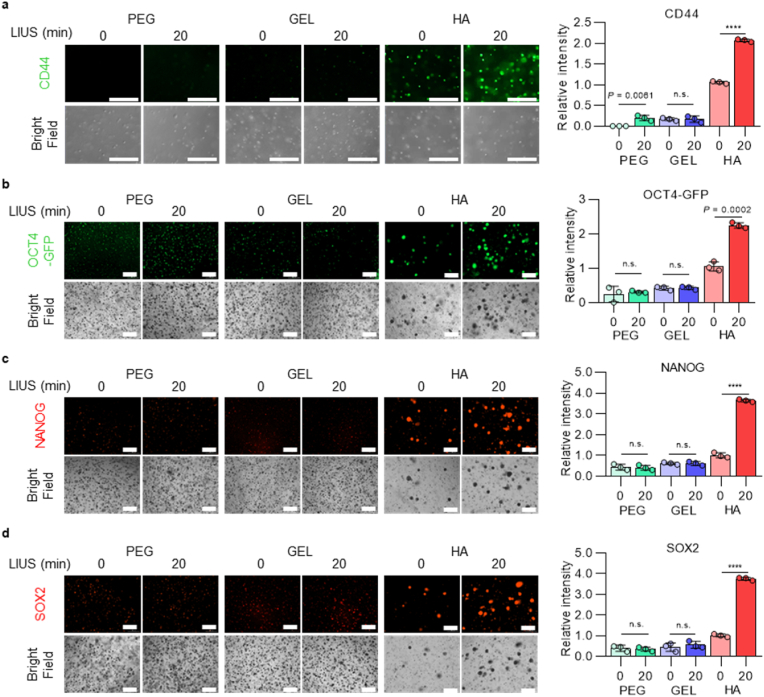
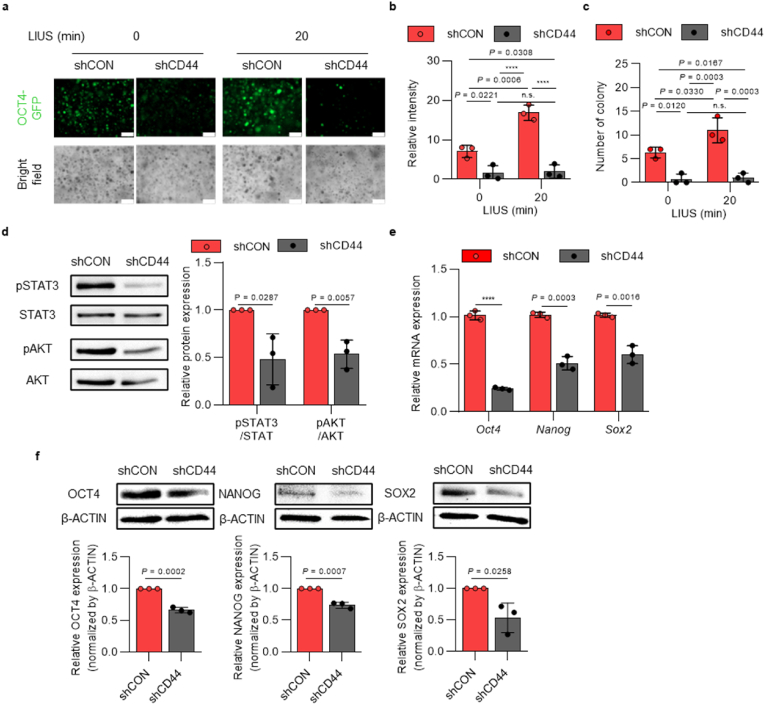
Cellular reprogramming technologies have been developed with different physicochemical factors to improve the reprogramming efficiencies of induced pluripotent stem cells (iPSCs). Ultrasound is a clinically applied noncontact biophysical factor known for regulating various cellular behaviors but remains uninvestigated for cellular reprogramming. Here, we present a new reprogramming strategy using low-intensity ultrasound (LIUS) to improve cellular reprogramming of iPSCs in vitro and in vivo. Under 3D microenvironment conditions, increased LIUS stimulation shows enhanced cellular reprogramming of the iPSCs. The cellular reprogramming process facilitated by LIUS is accompanied by increased mesenchymal to epithelial transition and histone modification. LIUS stimulation transiently modulates the cytoskeletal rearrangement, along with increased membrane fluidity and mobility to increase HA/CD44 interactions. Furthermore, LIUS stimulation with HA hydrogel can be utilized in application of both human cells and in vivo environment, for enhanced reprogrammed cells into iPSCs. Thus, LIUS stimulation with a combinatorial 3D microenvironment system can improve cellular reprogramming in vitro and in vivo environments, which can be applied in various biomedical fields.
已经利用不同的物理化学因素开发了细胞重编程技术,以提高诱导多能干细胞(iPSC)的重编程效率。超声是一种临床应用的非接触性生物物理因素,以调节各种细胞行为而闻名,但在细胞重编程方面仍未得到研究。在这里,我们提出了一种使用低强度超声(LIUS)的新重编程策略,以改善体外和体内iPSC的细胞重编程。在三维微环境条件下,增加LIUS刺激可增强iPSC的细胞重编程。LIUS促进的细胞重编程过程伴随着间充质向上皮转化和组蛋白修饰的增加。LIUS刺激可短暂调节细胞骨架重排,同时增加膜流动性和迁移率,以增加HA/CD44相互作用。此外,用HA水凝胶进行LIUS刺激可用于人类细胞和体内环境,以增强重编程细胞成为iPSC。因此,用组合的三维微环境系统进行LIUS刺激可改善体外和体内环境中的细胞重编程,这可应用于各种生物医学领域。